Port Townsend Residents Advocate for Urban Agriculture in Comprehensive Plan to Boost Climate Resilience

[caption id align="alignnone" width="2500"]
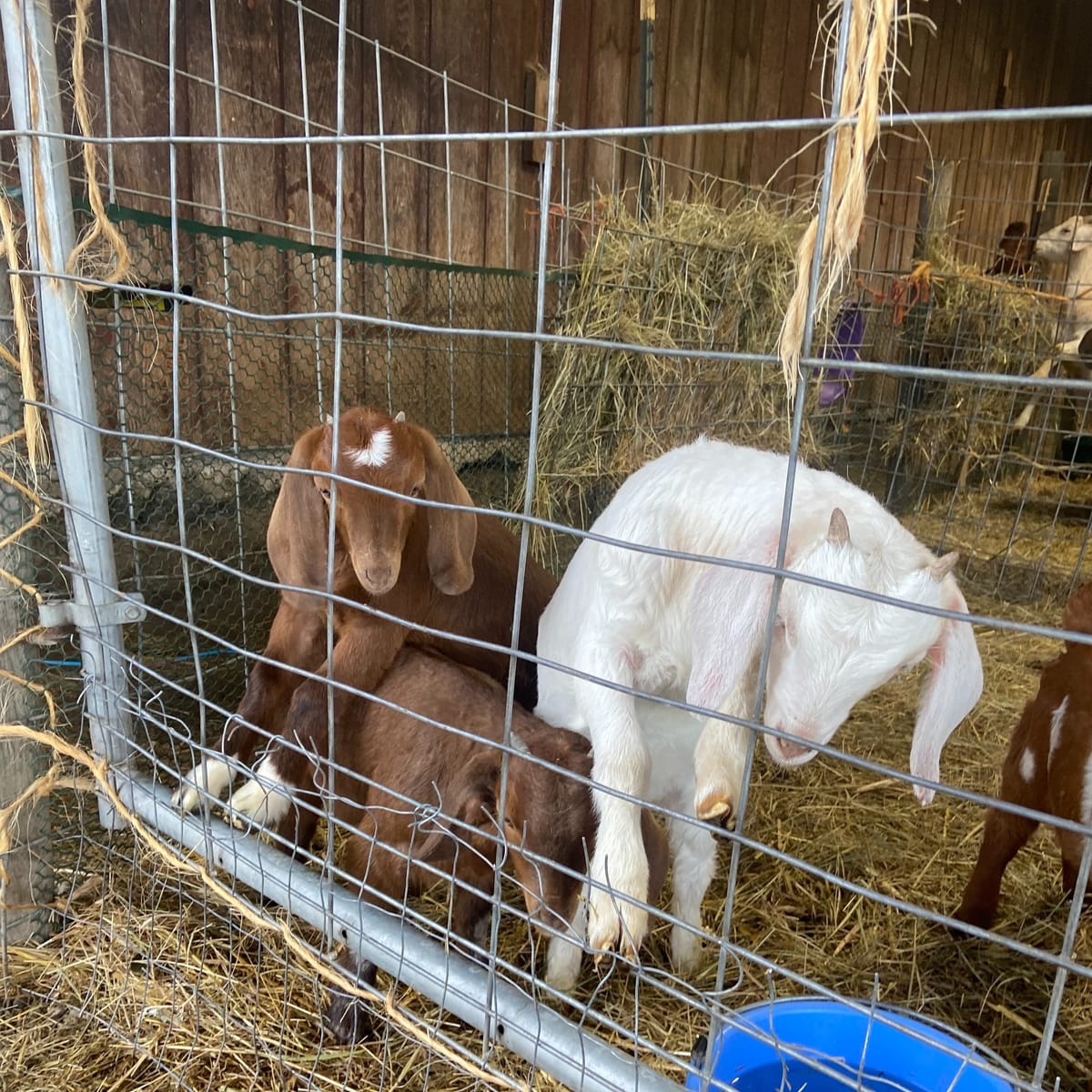
Farmers who own farms within city limits are concerned about the city’s comprehensive plan. Photo by Nhatt Nichols. [/caption]
News by Angela Downs
In many ways, Port Townsend is ahead of the curve when it comes to climate resilience. The original Comprehensive Plan saw value in agricultural endeavors within the city. While Port Townsend does set an excellent example in these values, it doesn’t necessarily mean the city is meeting all of its climate resilience goals or seeing all available options for resilience.
Resident farmers have an urgency and priority for climate response in development plans, as well as concern for the potential undervaluing of urban agriculture within those plans.
The Director of Planning and Community Development, Emma Bolin, and the Director of Public Works, Steve King, explained in a meeting how food resilience is often viewed as an accessory in city zoning and why economic tensions exist between urban agriculture and residential development.
The city allows accessory agricultural uses in its zoning code, which are activities that are secondary to the primary agricultural use of a property, such as selling products produced on the farm or hosting events related to agricultural practices. Accessory agriculture is included in the Evans Vista Housing Development Master Plan.
Farms that predate the 90s era Growth Management Act, which was enacted in part to create denser urban growth in Port Townsend, can continue as long as they don’t discontinue their agricultural uses. There is a concern that new farms will create a strain on the urban utilities that the city provides.
“If you have a row of houses, they all contribute to pay for infrastructure of the street– pipes, roads, water, sewer,” King said. “There is more distribution of the costs the more houses you have. If infrastructure goes by large expanses of land without houses, there's little money coming from the land, and with lower land taxations on farms compared to urban and housing taxes, it adds up. Urban agriculture drives everyone’s water rates and taxes up because of land with urban infrastructure.”
Bolin urges farms to take advantage of the Open Space Taxation Act (OSTA) of 1970, which “allows property owners to have their open space, farm and agricultural, and timber lands valued at their current use rather than at their highest and best use.”
Another factor in the tension between housing and open space is the high cost of building inside the city and the trend to build cheaper outside, which displaces farms beyond Port Townsend city limits. The distance between food and consumer increases emissions, lowering climate resilience.
Port Townsend Farmers Express Concerns
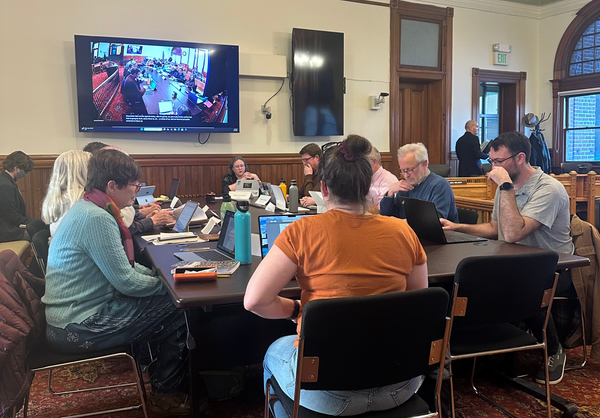
At the Thursday, April 24 Planning Commission meeting, Bly Windstorm, a Port Townsend grower, encouraged the council to look at climate resilience on a human level through the lens of basic needs.
Windstorm referenced the guidance provided by Congress section 2.4 in the Comprehensive Plan, “[A]sk your community members to describe their unique perspectives, assets, and climate-related challenges,” by defining assets as water and food for system infrastructure, workforce housing, and air quality. “As we urbanize and densify, we are increasing our vulnerability,” Winstrom said.
Hailey Lampe, a young farmer who runs Cruising Climate within city limits, shared her desire to see language within the climate policy that prioritizes urban agriculture as an asset to development. “Urban ag and urban farming can help address many of the climate resiliency goals that are held as a state, county, and city,” Lampe said. “[P]articularly the vehicles to miles.”
Jude Rubin of Shooting Star Farm shared their lived experience, “The farm that I coordinate serves 15 families, many of whom left today with arms full of broccoli, biking away from the farm. This is really happening. And it’s a treasure.” City farms reduce food miles and greenhouse gases by reducing commuting for pickups and minimizing the number of trucks coming in and out for deliveries. “Lettuce from Mexico is a little different from lettuce coming from Howard and Hastings,” Rubin said.
Speakers urged the council to protect what we have and give urban agriculture as much weight as they are giving to other development, and to require resiliency in the comprehensive plan. People walking and biking to their food addresses the active transportation plan. Reducing greenhouse gas emissions from less food transportation helps achieve climate resilience goals. Middle housing for the workforce addresses the housing section, and prioritizing young people increases resilience through shared knowledge in multigenerational communities.
Planning Commission member Viki Sonntag thanked speakers for their holistic view of land use and connective services. “We can’t do all the work; we need you to do research for us,” Sonntag said.
Feedback Will Still Be Considered Before the Plan is Finalized
The next Planning Commission meeting will review existing goals and policies related to climate resilience.
“If you have language and policies, put them into a document and try to submit it in as many ways as you can, as recommended language,” Sonntag said. “Send it to the Planning Commission, send it to the planning department. If there are barriers to enacting the kind of lifestyle and community benefits that you foresee, those are things that we’d be interested in knowing.”
“We have a thriving, growing scene here,” said Lampe. “Many cities are retroactively trying to bring farming back to their cities.”