Balancing Nature and Need: Local Foresters Provide an Innovative Approach to Sustainable Forestry

[caption id align="alignnone" width="984"]
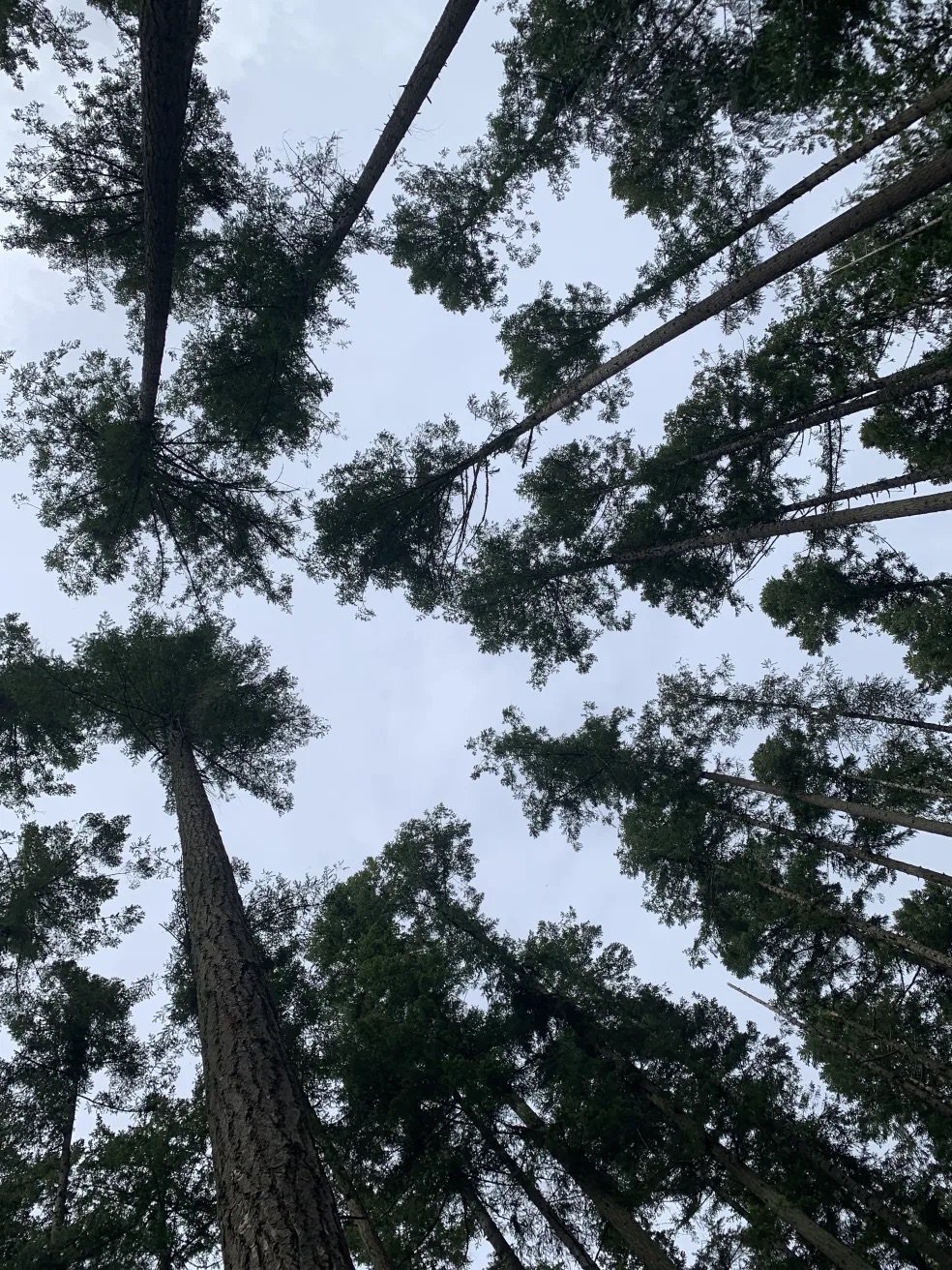
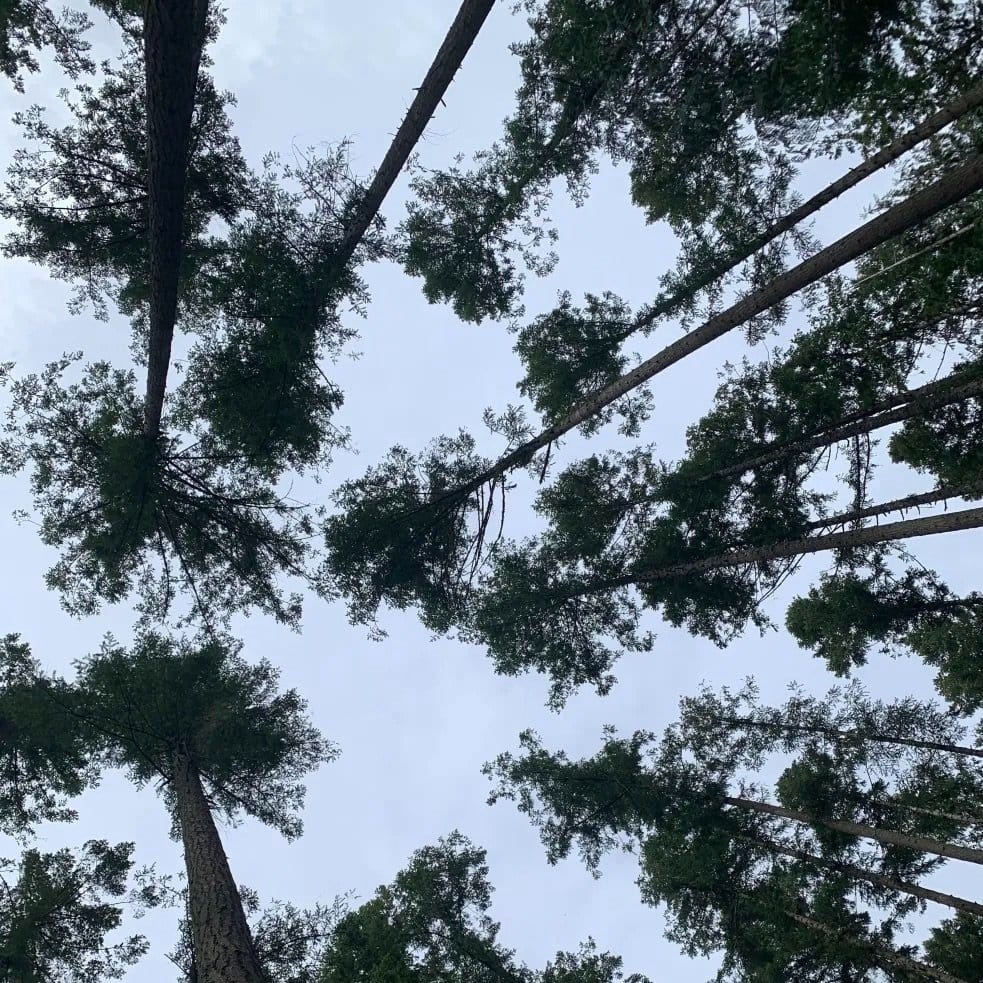
One sign of an unhealthy forest is when trees “lollypop,” growing branches only in the top part where the sun can reach them. [/caption]
News by Angela Downs
We need trees to clean the air, provide shade and habitat, and feed the soil. But we also need wood, and we need people and their labor to provide it.
“We are an active part of the forest. Creating jobs we can respect is part of the equation,” Owner of Chickadee Forestry and land management professional Malloree Weinheimer said.
Weinheimer is building local forest economies by cultivating holistic ecology and conservation skills in collaboration with local mills. Active forest management cultivates the health of both the community and the forests by supporting diversity and creating a local chain of custody. A key partner in the algorithm is “end users,” purchasing materials from organizations that represent the values of restoration.
It can be easy to demonize industry. Machinery can tear up forests, leaving a large impact and putting people out of jobs. We need to formulate ways to balance our need for materials, economy, and ecology. Fortunately, Jefferson County has the infrastructure to support small mills. Following the successful example of small farming in Jefferson County, small forestry has a chance of taking hold. The third county in the state to fund the vision to support local land, Jefferson County Sustainable Forestry Program has funded Weinheimer’s work for five years.
“Everything I’ve done is taking pieces from other projects and integrating those lessons into the Jefferson County ecosystem,” Weinheimer said. She was the only woman in a 300-mile radius to contribute wood to the Portland Airport’s new main terminal with a timber roof, using approximately 3.5 million board feet of locally sourced Douglas fir.
Weinheimer has looked to retiring foresters Mike Cronin and Earl Kong throughout her career, and their only ask in exchange for their expertise is that she helps the next generation coming up in the trade. Collaboration happens at all supply chain stops, from building homes with the Land Trust, to fuel mitigation and compatible pricing with the Paper Mill for low-value wood. Everyone has a place in the local chain of custody worth valuing.
Hannah Jones of Boots On The Ground Forest Service (BoTGFS) believes choosing between livable wage jobs and the environment is irresponsible. From union parents, Jones has a love for the working class and a desire to help the forest adapt to climate change. Confronted with the challenges of the workforce in the lumber industry, Jones, along with Jim Guindon, co-founded BoGFS in 2024. Becoming the leaders in the complex, holistic work of logging with “an eye towards ecological health.”
Their work consists of pre-commercial thinning, diversity planting, invasive species management, commercial harvesting, pruning, and stacking logs to create habitat. “It allows workers to bring their full creativity and brain to work and encourages a sense of responsibility and stewardship.”
Leaving land completely untouched, especially in the years after clear-cutting, leaves ecosystems vulnerable to disease and fire. Young monocrops of Douglas fir grow very dense, out of their natural growth pattern, and the lack of diversity disrupts structural complexity and integrity. BoGFS aims to help the forest behave ecologically like an older forest. Habitat is not separate from timber.
BoTGFS, which is based in Clallam County, is often hired by landowners who own 10-40 acres of forest using the Department of Natural Resources (DNR) cost share program for forest health and fire preparedness incentives, which reimburse owners 50% of the cost. They are also called upon by community forests, non-profit conservancies, local tribes, and land trusts. “Our work aims to orient as a process associated fully with our responsibilities,” Jones said.
Many loggers are also wildfire firefighters, and thinning crews are largely made up of immigrants from Mexico and Guatemala. “Loggers get so maligned. But often, they have the closest relationships with the woods than anyone and want to find more nuanced ways of doing the work. And they deserve to,” Jones said.
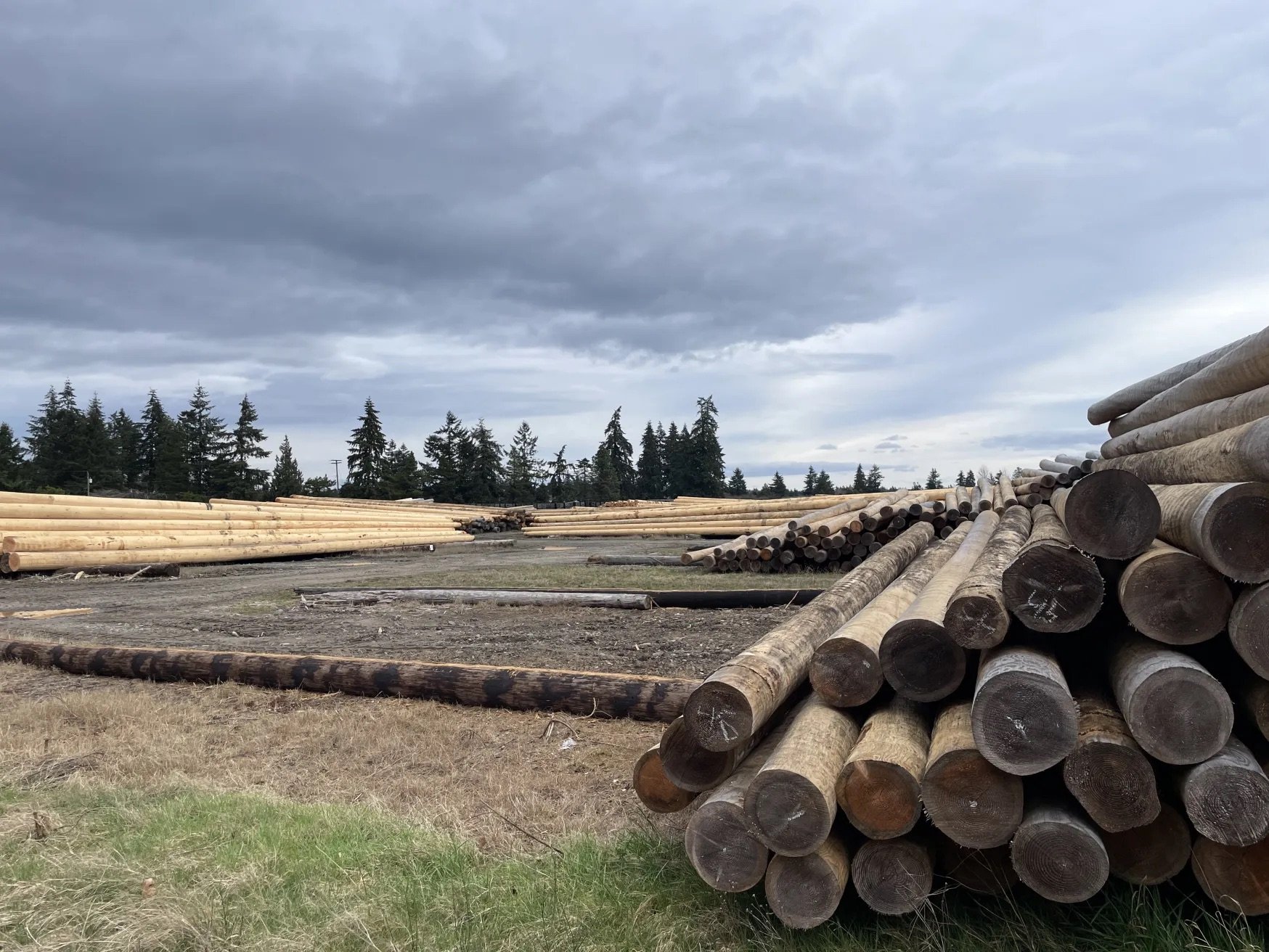
Habitat services are not a living wage job, and even without including fire preparation, the volunteer economy can’t keep up. There is a whole industry with a workforce that is going underserved. Adjusting for the 21st century, BoGFS looks to Scandinavian models of forestry, which include cutting smaller paths, using gentler machinery, and creating meaningful relationships with the land. “We’d love to see more chainsaws in the forest,” Jones said.
The extremes of preservation and extraction are not helpful, and these small teams want to find a balance between labor and machinery. While horses are applicable for sensitive areas, they are just not to scale for the care our forests need. “We haven't worked with Northwest Natural Resource Group (NNRG) as clients, but we do have a collaborative relationship thinking about this type of forestry together and about workforce development,” Jones said. NNRG helps foresters, loggers, and workers get familiar with machinery for large-scale projects, including a Scandinavian machine called a forwarder– specialized heavy machinery working in tandem with a harvester to transport logs.
“There is a discomfort with cutting trees that needs to be put in the context of what we’ve already done to the land and our long history as active caretakers of the forests,” Jones said. It can be considered virtuous to recreate in the forests, but not the traditional labor that has taken place in those forests. BoTGFS’s partnership with the forest challenges the mindset that laboring is not loving attention. “We are fighting alienation, finding ways to connect and build relationships,” Jones said.
Engaging with the complexity of the ecosystem means getting comfortable with a limited amount of control, working with no exact equation, asking questions and being comfortable with no solid answers.
We are only now beginning to understand the repercussions of the “Timber Wars” in the 1990s, struggling to protect the old-growth forests and the spotted owl. The forest, left unmanaged, risks the health and safety of the forests in devastating ways. The USDA Forest Service’s Northwest Forest Plan Update is coming up for review to reevaluate the results of the tensions from the ’90s to incorporate new science, tribal inclusion, and changing conditions. However, with an unpredictable federal administration, there is a chance forest protection might be snubbed, making the management of smaller forests even more important for our local ecosystems.