Beloved Fisherman and Conservationist Joel Kawahara Mourned by Community

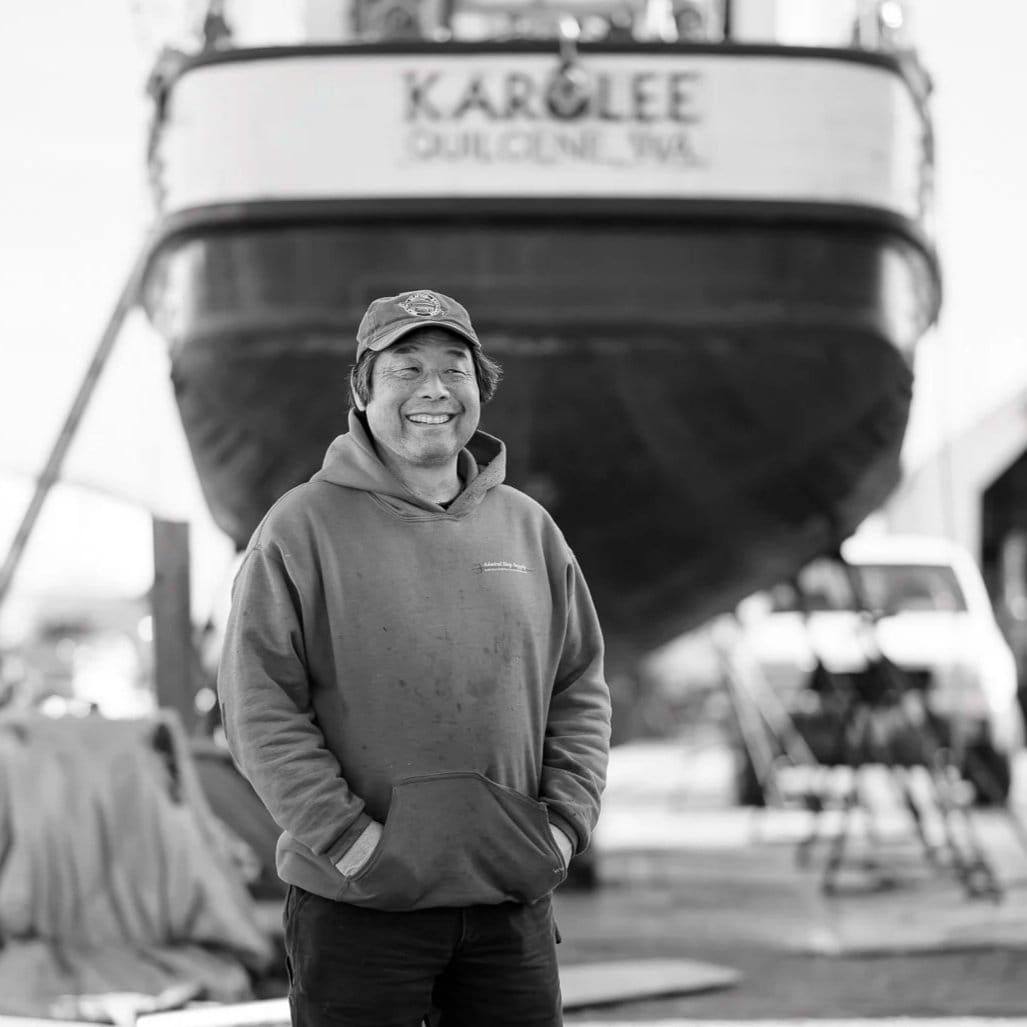
[caption id align="alignnone" width="1200"]
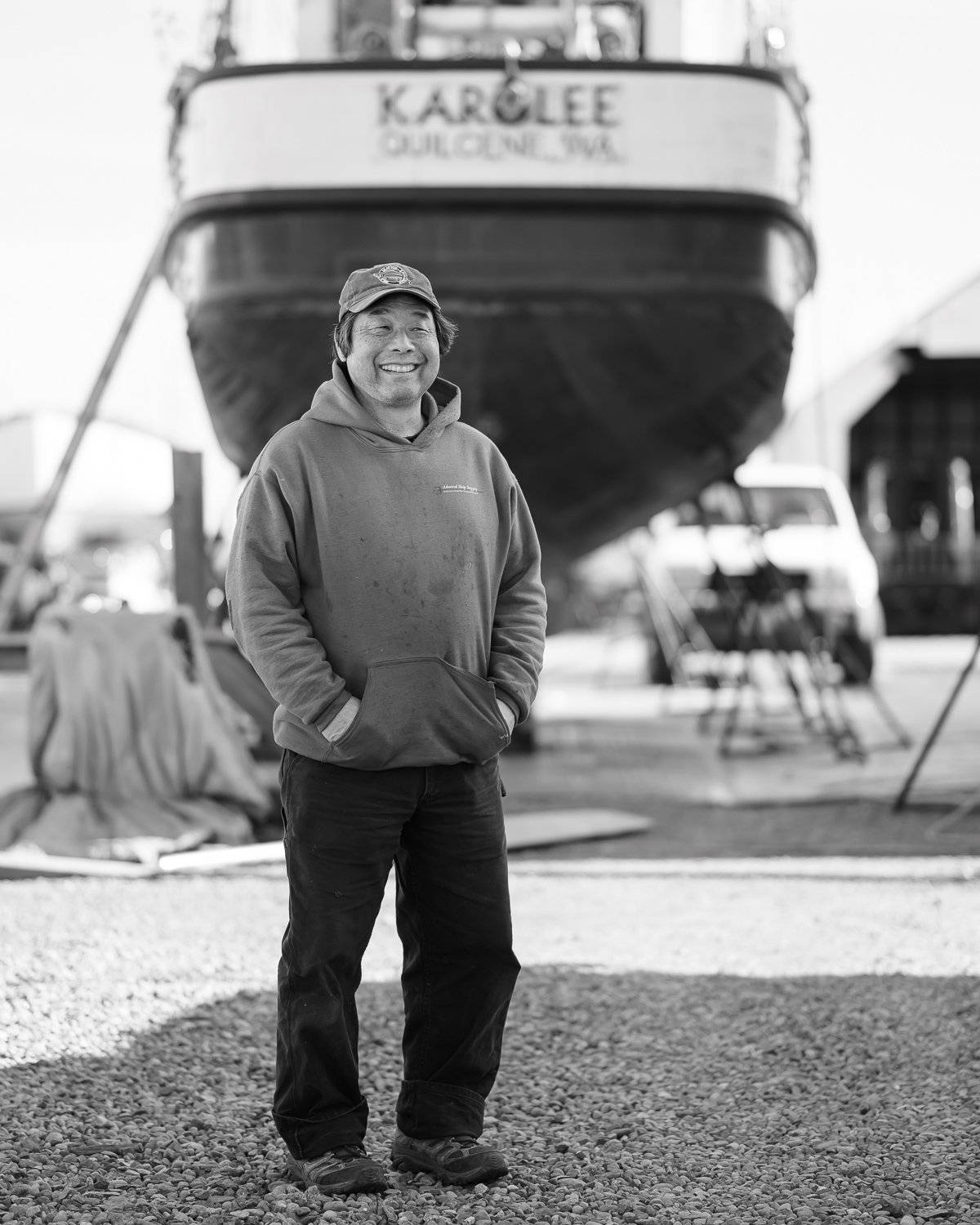
Photo by Heather Johnson [/caption]
News by Heather Johnson
"In a way, I am a second-generation commercial fisherman because my dad sold fish in Seattle and also worked in a cannery in Alaska prior to World War II," Joel Kawahara once told Congress while testifying about the failures of NOAA Fisheries to properly manage salmon.
Last week, when friends stopped receiving updates from Kawahara, Heather Burns posted an urgent message to Facebook. “My very very dear friend Joel Kawahara is hundreds of miles off course in his fishing vessel, the F/V Karolee and his last contact with me or anyone was Friday morning 7:30 am,” Burns posted. By Wednesday afternoon, the Coast Guard had verified that Kawahara was not on board and was likely to have gone overboard.
“He was methodical,” said Kellie Henwood, a friend and former crew member. “He wouldn’t take unnecessary risks with weather or with safety.”
For Henwood, fishing with Kawahara was a combination of science and culture. After a lifetime of fishing, Kawahara had learned to read the birds, the whales, the temperature and the tides.
Mornings on the F/V Karolee with Kawahara started with coffee and simple meals of oatmeal, salmon or eggs before heading for the fishing grounds. He was known up and down the West Coast for the quality of his catch, the fish carefully processed and iced.
He was more than a fisherman; Kawahara was a tireless advocate for salmon and salmon habitat.
Kawahara’s commitment extended far beyond the deck of his boat. He sat on the board of the Save Our Wild Salmon Coalition, was the President of the Coastal Trollers Association, participated in the Pacific Fisheries Management Council, and testified before Congress. Blaise Holly, owner of Haven Boatworks, remembers Kawahara as someone who would cut fishing trips short to attend policy meetings.
“Quite to his economic detriment, he showed up for the fleet,” Holly remarked.
Sarah Doyle, Executive Director of the North Olympic Salmon Coalition, said Kawahara “lived and breathed salmon.” He planted trees, participated in spawner surveys on Chimacum Creek, and helped procure salmon to cook for school educational programs. Volunteers could feel the “warmth and joy” Kawahara brought with him; they also witnessed a commercial fisherman participating in habitat restoration.
The Kawahara family property on Dabob Bay, Quilcene, was his home. Friends recall beach parties with fresh seafood and champagne send-offs for deceased cats.
“That was the heartbeat of his world,” Henwood said, “and became the heartbeat of his community.” In 1995, the Kawahara family placed the 80-acre property in a conservation easement with the Jefferson County Land Trust for the “scenic open space and wildlife habitat values.” Eric Kingfisher, Director of Stewardship at the Land Trust, often walked the property with Kawahara.
“He was a true conservationist,” Kingfisher said. Kawahara understood the deep connection between the land and the fish on his hook.
News of Kawahara’s death traveled swiftly throughout the tightknit fishing and trades communities of the Quimper Peninsula. Along with their grief, Kawahara’s friends carry the lessons he taught them: nurture your community, be good to one another, engage and advocate for what you’re passionate about. They’ll also remember his joy, “he had the most bombastic laugh of all time,” Henwood stated, “just wide mouth howl that just made anyone smile and laugh. It was just so good when you were laughing with Joel.”
Kawahara’s name has been added to the list of mariners lost over the past year for the annual Bell Toll Ceremony on September 7, 2025 at the First Fed Commons.
“That Joel-shaped hole he’s going to leave is going to be an impossible one to fill,” said Holly.