Chlorophyll Corner: Discover Snowberries, The Whimsical Bubbles of the Forest

A monthly ethnobotany column by Eden Blooms.
As we find ourselves deep into the winter months, the solstice has come and gone, and we are eagerly anticipating the sunlight’s slow return.
Standing in the forest, the stillness of winter is palpable. Looking up through the treetops, we can see the edges of the canopy, spotting bird nests and epiphytes that are only visible due to the absence of foliage this time of year.
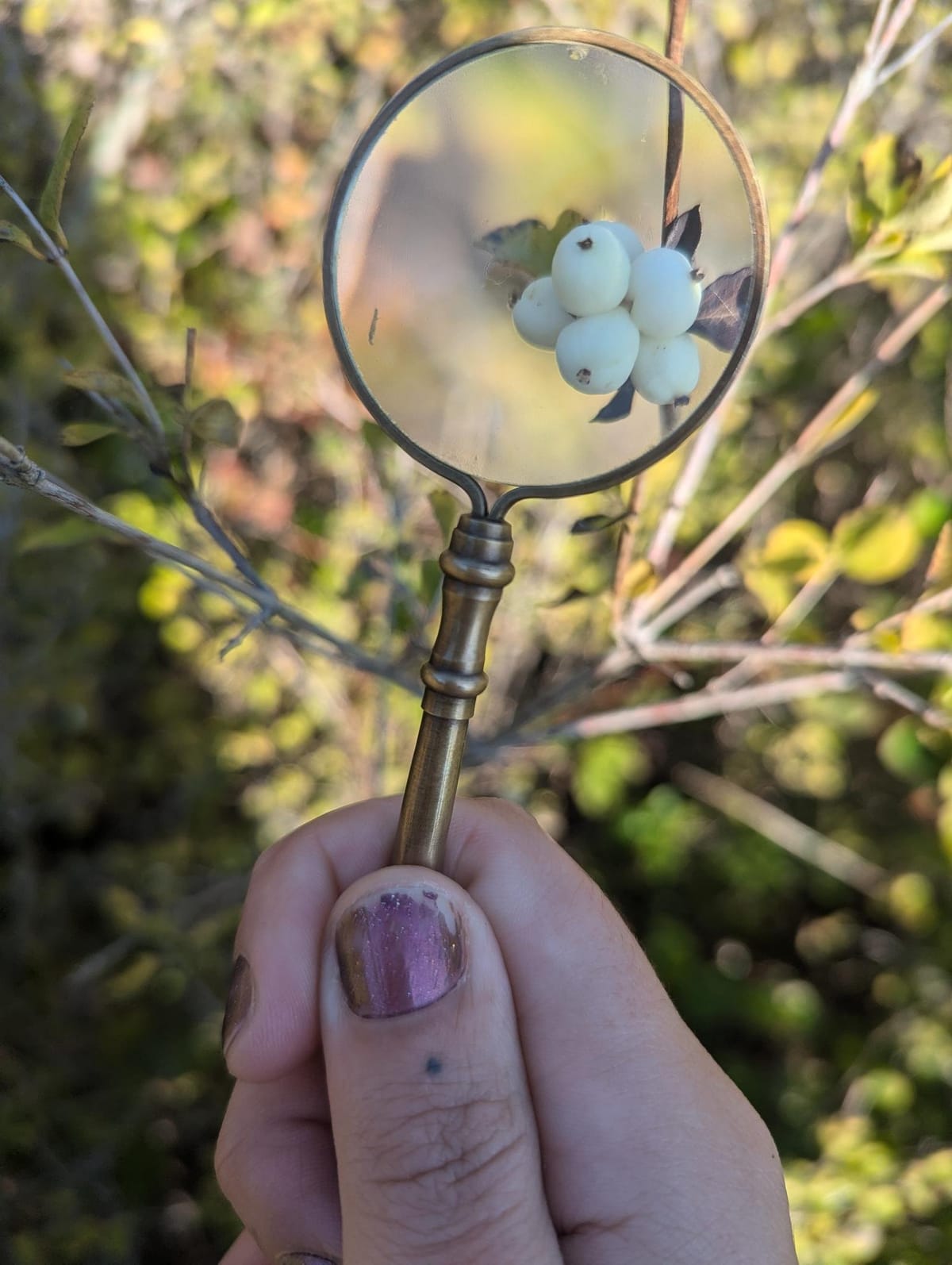
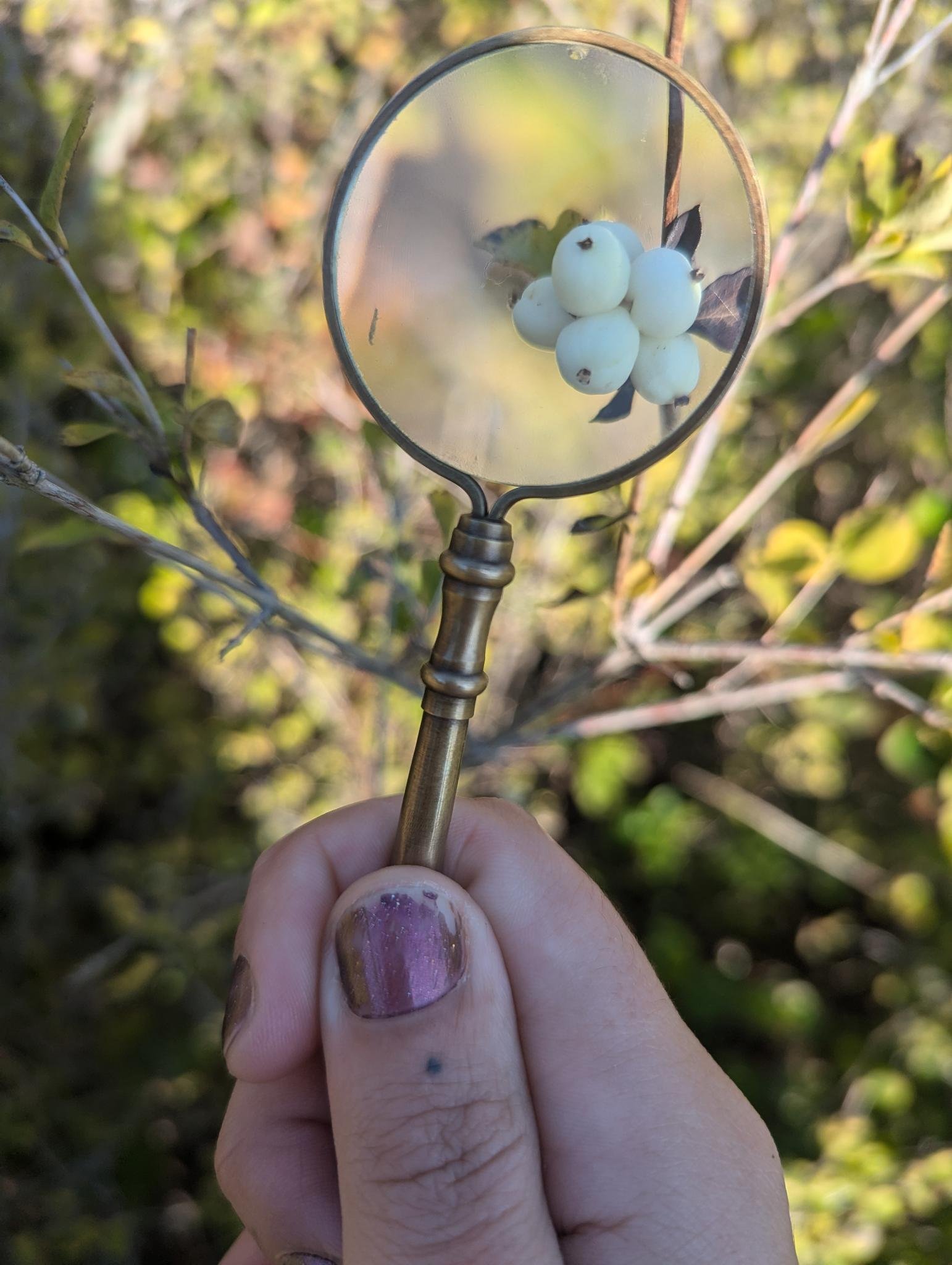
We still hear a few species of birds and a chipmunk or two chattering, but for the most part, the forest is silent. Usually hidden by the abundance of greenery, at eye level a few unique plants make themselves known this time of year. Snowberries, now devoid of their leaves, display their arched, drooping berries, as if forest fairies are blowing bubbles to catch our attention and guide us through the final leg of this seasonal transition.
Snowberry, or Symphoricarpos albus, is a member of the Honeysuckle Family native to North America. Early colonizers found this deciduous shrub to be highly adaptable and attempted to introduce it to Europe as an ornamental plant, where today it has been labeled as a nuisance.
Unlike Europe, we want everyone to plant the native snowberries in their gardens because it is a valuable plant for Pacific Northwest ecosystems. The berries persist through the winter, providing a reliable food source for birds like thrushes and robins that stay during the colder months. During the spring, the pink and white bell shaped flowers offer rich nectar for bees, insects, and both the Anna’s and rufous hummingbirds, the only hummingbirds present on the Olympic Peninsula. Most importantly, the leaves are the ONLY food source for the sphinx moth during the larval stage.
Snowberries contain saponins, a naturally soapy substance. Historically, saponin-containing plants have been used for cleaning and inspired the antiseptics we rely on today. Typically, these plants are used externally because they can induce nausea and vomiting if ingested. While we appreciate saponins for their role in hygiene, plants produce them as a defense mechanism. The berries deter mammals from harvesting them by giving a soapy taste, luckily the birds don’t seem to mind.
The Native American Medicinal Ethnobotanical Dictionary notes that the Chelish people use snowberries as a hair wash. As a skincare enthusiast, I decided to experiment by adding saponin-containing plant parts to water, which naturally causes foaming. The saponin induced foaming helps wash grit and grime from skin and hair similar to soap suds.
I harvested a cup of snowberries, ensuring not to take too many from one stand, only taking enough for my experiment. For the experience, I filled a small jar with water and a few berries, shaking it to produce bubbles. The bubbles indicated the presence of saponins, though not enough for antimicrobial use, making it perfect for a simple hair wash. Next, I filled a jar with the remaining berries and equal parts warm water, allowing the saponins to extract for 15 minutes before straining the water.
Although I wasn’t able to make enough to wash all of my hair, I loved how my curls felt softer afterwards. I deeply appreciate how this plant produces berries that look like bubbles floating through the winter landscape and how it actually creates bubbles when soaked. It reminds us that nature is always trying to communicate its uses to us; it's just a matter of whether we're willing to listen.