Chlorophyll Corner: Western Trillium, A Call to Protect The Sacred

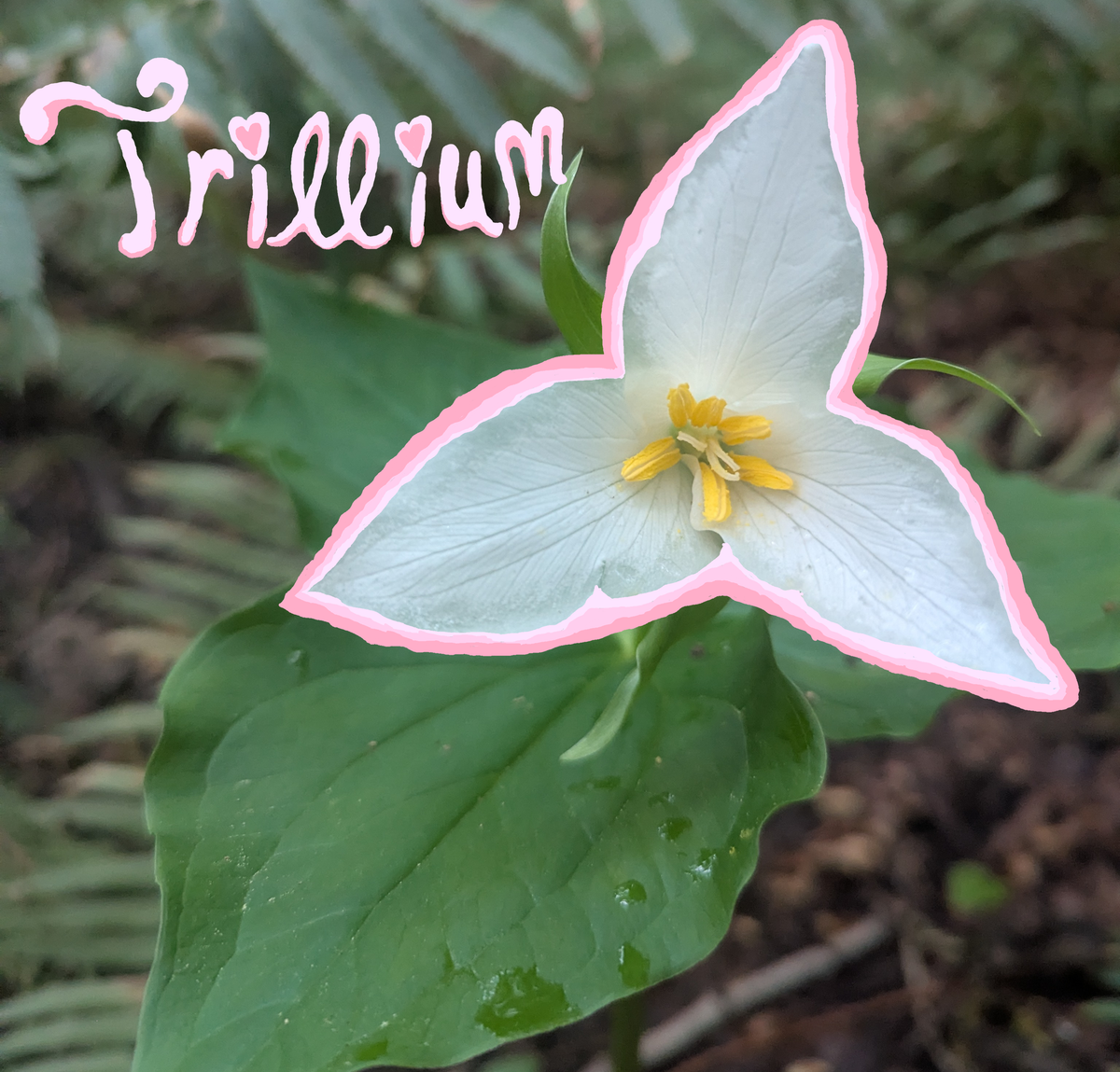
[caption id align="alignnone" width="3072"]
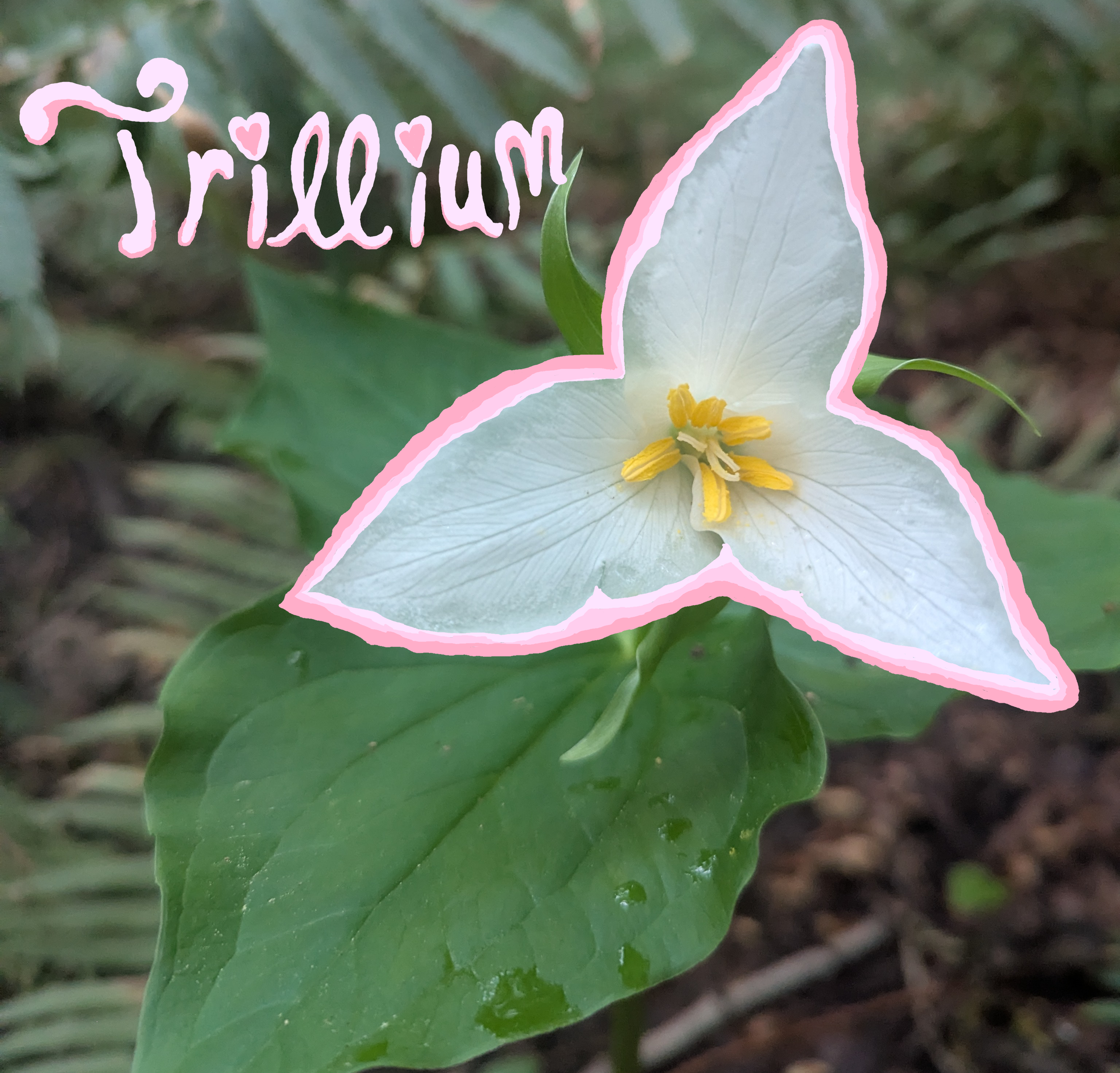
Photo and illustration by Eden Blooms [/caption]
A monthly ethnobotany column by Eden Blooms
Amidst the towering forests of Cascadia, a fleeting bloom is beginning to make its appearance in the understory - Western Trillium, Trillium ovatum. This gentle yet profound plant arrived with an important message - a fight for survival is unfolding. This delicate spring ephemeral is more than just a fleeting bloom in the understory—it is a testament to resilience, patience, and the intricate web of life that relies on mature forests.
The life cycle of a trillium is one of perseverance in the face of difficulty. From seed to flower, the process can take anywhere from seven to ten years, sometimes longer in less-than-ideal conditions. Each spring, their three-whorled green leaves and three-petaled white flowers blush pink after they’ve been pollinated, signaling the steady rhythm of nature at work.
Beneath the forest canopy, they rely on ants for seed dispersal, a phenomenon known as myrmecochory. Each seed has a tiny oil-rich appendage that attracts ants, who lug them back to their nests to eat the appendages, leaving the seed buried deep in the ant burrow to begin germination. Other spring-flowering understory plants who rely on this dispersal method are Bleeding Hearts and Wild Ginger.
Trillium's fragile plant population is in decline, so wild-harvesting is highly discouraged. The fleshy rhizomes are small and take a long time to grow - a fifteen-year-old plant yields only a root ball the size of a thimble. Picking any part of the plant could result in its death, reminding us that, when we love flowers, it’s best to leave them to be admired by all.
Much like us, Trillium's existence is deeply intertwined with the health of the forest. The shade from towering old-growth trees, the moisture-rich soils along streambanks, and the undisturbed ecosystem all play a role in our survival.
“The trillium’s quiet tenacity teaches us that some things take time—whether it’s blooming, healing, or fighting for the forests that sustain us. ”
When the land is disturbed—whether through deforestation, heavy machinery, pollution, or habitat loss—trillium populations struggle to recover, possibly taking over 100 years to return to an area during a forest's slow crawl to renewal.
Mature forests, like those in the Elwha region, house trillium alongside a vast array of flora and fauna. These forests retain significant biological structures and genetic diversity, offering us resilience in the face of climate change. The forests where Trillium grows act as carbon sinks, storing vast amounts of carbon in their biomass. They also support the maintenance of cool temperatures and precipitation. The removal of these forests disrupts entire ecosystems, stripping away the shaded canopies that trilliums rely on, diminishing their ability to withstand environmental stressors. Protecting these forests is one of our best nature-based solutions to withstand climate change.
Beyond trillium’s fragility, its cultural significance runs deep. Another name for Trillium is birthroot because of how Indigenous people use it in small doses to prevent hemorrhage and prolapse after pregnancy. Indigenous midwives often wear a symbol of trillium to signal their skillset.
Trilliums are just one of the many species at risk due to deforestation. The Elwha Legacy Forest is currently at risk of deforestation, and with it, the trilliums who have spent decades growing in its shadows. Protecting these forests isn’t just about saving a single plant—it’s about safeguarding entire ecosystems, ensuring clean air, regulating temperatures, and mitigating climate change. While some may overlook the value of a wild Trillium, its slow and steady presence reminds us that life deserves protection.
The trillium’s quiet tenacity teaches us that some things take time—whether it’s blooming, healing, or fighting for the forests that sustain us. Now is our time to stand rooted in reverence for the land, using our voices to protect the delicate yet vital lives within it.
Find out how you can get involved: https://elwhalegacyforests.org/