City Issues Water Conservation Notice Due to Low Source Flows

[caption id align="alignnone" width="2500"]
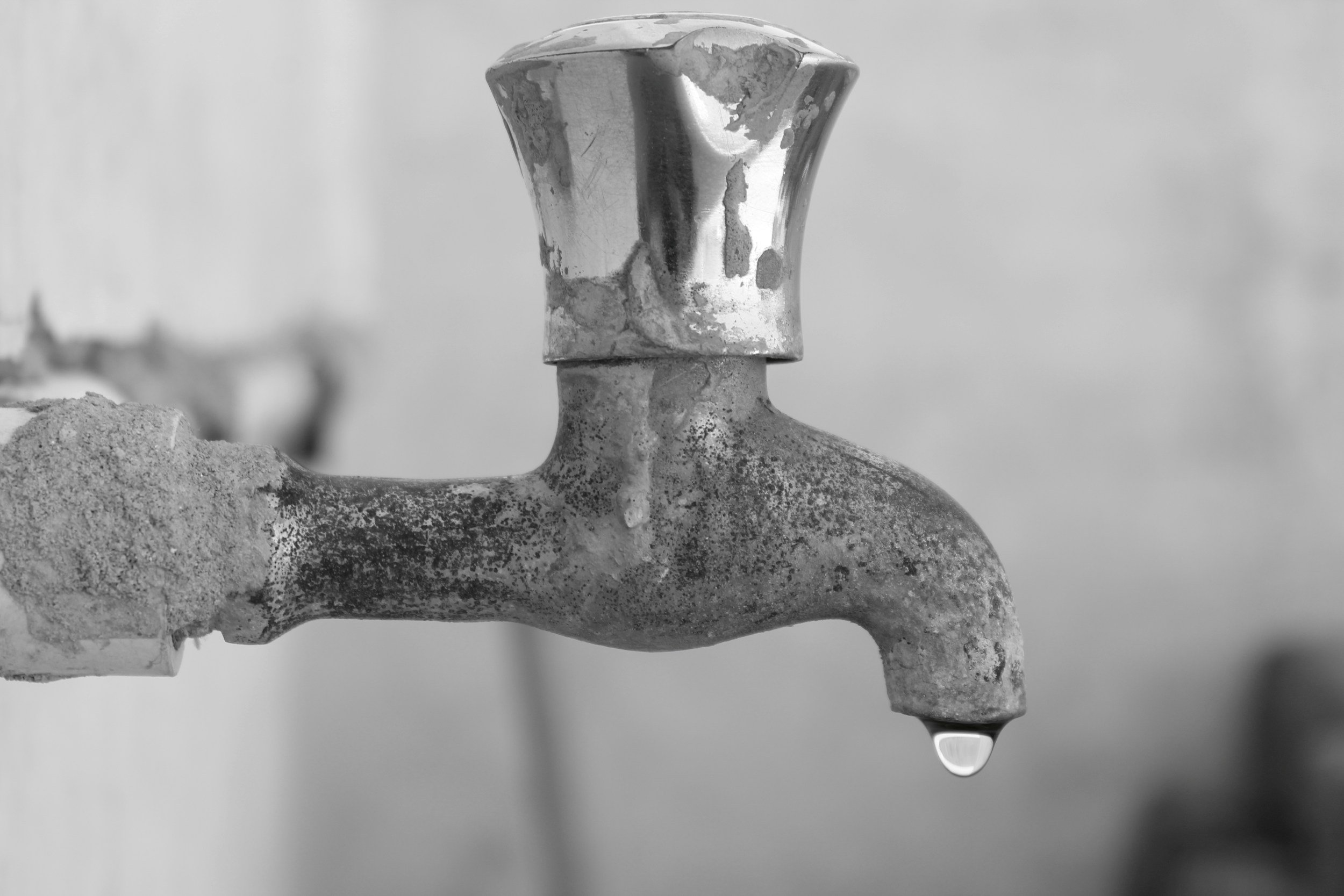
Photo by Shridhar Vashistha, Unsplash [/caption]
News by Scott France
The City of Port Townsend issued a voluntary water conservation notice last Thursday for households, businesses and industrial water use. The City’s primary water source, the Big Quilcene River, is experiencing stream flows that are lower than average for this time of year. Our water supply from the river is sustained by snowpack, which has depleted earlier than usual this year. The water travels by gravity to the city via a 30-mile pipeline
The current draw of water from the Big Quilcene River is at its lowest level in over a year. In most years, it is necessary to draw water in early September from Lords Lake, a 500–million–gallon storage reservoir, when low stream flows limit water withdrawals from the rivers. This year, the drawdown of the Lords Lake Reservoir began on August 11.
The City is asking all its customers to voluntarily conserve water until this autumn‘s rains replenish the river’s flow. The City stated in a press release that the Port Townsend Paper Company (usually referred to as “the Mill”), which uses a large proportion of the water supply, has implemented a number of additional conservation measures to reduce water consumption. If the Lord’s Lake Reservoir empties, the Mill will be required to curtail operations or shut down completely.
The Mill uses approximately 11 million gallons of water per day, and residents use approximately one to two million gallons of water per day, depending on the season.
“Residents do not have to worry about running out of water,” said Steve King, the director of the Port Townsend Public Works Department.
According to King, the lake is full at 34 feet. As of September 11, 2025, Lords Lake was at 24‘2“. On the same date in 2024, the lake level was 27’11”.
“When the water level reaches zero, the lake is nearly empty and only a few days of water remain. However, if Lords Lake is empty, the City Lake Reservoir serves as a water reserve for businesses and residents,” King said.
For residents, voluntary conservation means refraining from irrigating, being diligent about ensuring faucets are turned off and fixing leaks. Residents should not expect a mandatory conservation notice unless there is a major pipeline leak or emergency.
According to the city, 95% of the municipal watershed is located within the Olympic National Forest. Cooperation between the city and the Forest Service for protection of the watershed dates back to the construction of the surface water diversions and transmission pipeline, which has been in service since 1928.
The city provides a webpage consisting of suggested water conservation tips here.