Community Resilience Arises from Mental Health Crisis

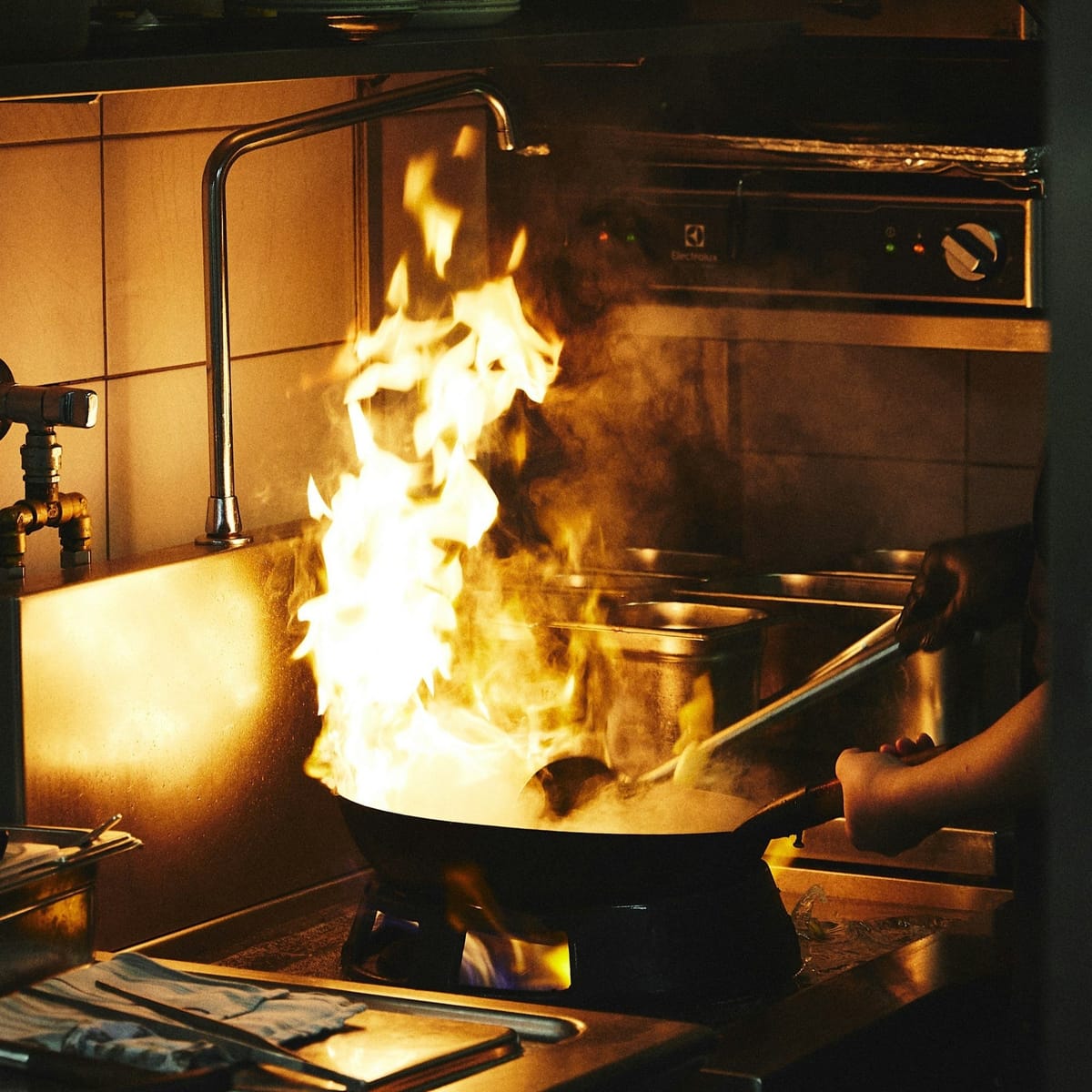
[caption id align="alignnone" width="2000"]

Following the self-inflicted death of a young service industry worker, community members are finding ways to support each other. Image curtesy of Unsplash [/caption]
News by Angela Downs
There is a crucial need for youth mental health support. Jefferson County youth face higher rates of adverse circumstances such as poverty, food and housing insecurity, and childhood trauma than their peers elsewhere in Washington, increasing their risk for mental health crises.
With suicide as the second-leading cause of death for young people ages 12-24, according to the Centers for Disease Control, the US Surgeon General has declared the youth mental health crisis “the defining public health crisis of our time.” Urgent action to support young people is a must.
In 2023, Jefferson County's 10th graders participated in the Healthy Youth Survey. The results showed 68% reporting feeling anxious, 59% unable to control or stop worrying, 34% experiencing depressive feelings that stopped them from doing their usual activities, and 17% made a suicide plan in the past year. 12% attempted suicide, demonstrating the high cost of overlooking and not engaging our youth.
Unable to know exactly what nuances surround a person's mental health, we can see through statistics the impacts those living rurally can experience. Jefferson County, in comparison to the rest of Washington, is suffering measurably more.
Our community has 63.7% of single-mother families living in poverty, the highest of any county in the state. 30% of those under 18 in Jefferson County live in poverty, more than double the state average of 12%.
According to Feeding America, 26% of our children are food insecure vs. 15.7% statewide. Jefferson County school districts reported in October 2023 that more than 130 students were either homeless or transient.
In the statewide Healthy Youth Survey, 27% of Jefferson County 10th graders reported having four or more ACEs (adverse childhood experiences), compared to a state average of 16%.
ACEs include abuse, neglect and other deeply stressful circumstances. Having four or more predicts a likelihood of an individual being in chronic “fight or flight” mode, unable to engage the parasympathetic nervous system to return to “rest and digest”.
This correlates to long-lasting negative physical and mental health impacts, including higher rates of depression and anxiety, with reduced coping skills and resilience.
Vulnerable groups of young people include trans youth, LGBTQI+, minorities, and Native youth. Many of whom are among food and beverage service industry workers, who face a significantly higher risk of suicide than the general population.
Local Restaurateurs Advocate for Change
Cassandra and Lissette Garay are the owner-operators of La Cocina, a woman-owned and family-run restaurant in Port Townsend.
“It is my absolute pleasure to be of service,” Lissette said. “There are so many options for work. I tell all the people we train, ‘If it doesn’t fill you, don’t do it.’ It is a joy to me to help guide the younger generation in connecting with what is a best fit for them.”
The hospitality industry as a whole has historically faced abuse and neglect in the workplace and from clients. Workers face isolation from the general community, missing holidays, family and friend gatherings, and quality time to relax. Substance abuse is also a significant problem in the food and beverage industry.
The Garays are fueled by their passion for directly responding to the needs of others. “We carry our business with professionalism,” Lissette said. “We have no tolerance for drinking and drug use at work. These kids are trying to find their way in a judgmental society. We are their guidance for standards and sobriety.”
In Jefferson County, laborers are sorely lacking resources. If anyone calls out, restaurants will likely have to close for the day. With no swing or floating team members to step in, the pressure to push through sickness, both mental and physical, is compelling.
Paired with the insecurity of living paycheck to paycheck, there are few ways for service members to care for themselves, which compounds the issues they already face.
Cassandra suggests that local restaurants form a collective with a shared pool of vetted service members to serve as floating team members at multiple locations. She also believes the community is missing general training for the workforce as an investment in future generations, such as apprenticeships, trade schools, and internships.
Along with these classes, Cassandra wants to hold the Health Department accountable by requiring training in mental health and leadership for owners.
“The community lacks enforcement and follow-through from the Health Department,” Cassandra said. “Taxes are used to issue permits and licenses, but there is a lack of auditing for enforced break times, monitoring of substance use, and investigation of cultural habits. The youth are being taken advantage of.”
There is a shared human condition that calls for courtesy and respect for one another. “Everything we have is on the line. It is all invested into the restaurant,” Cassandra said. “There is a disrespect of service workers that we face.” Lissette continued, “Money does not give anyone the right to abuse another.”
The Benji Project
In response to the suicide of a beloved Port Townsend teenager in 2017, Cynthia Osterman co-founded The Benji Project, a non-profit designed to help young people develop skills to navigate life and develop resiliency. The Benji project brings East Jefferson youth tools for balanced awareness of the present moment, teaching them to treat themselves with the kindness you’d give a friend.
From July 2023 to June 2024, 344 students participated in the Benji Project programming, exposing their developing minds to the teen adaptation of Mindful Self-Compassion —a set of health principles developed in the academic sphere at Harvard University.
An overarching goal of the Benji Project is to change the culture of difficulty and response to adversity through basic life skills, common sense development, tools for resilience such as permission to acknowledge struggles, and connecting to the truth of the shared human condition.
In light of the July 17, 2025 Federal shutdown of the 988 LGBTQI+ Youth Subnetwork, the Washington State Department of Health (DOH) will make firm efforts for the state’s 988 crisis counselors to be trained to support LGBTQIA2S+ youth and young adults.
People who contact the 988 Lifeline can still get free, confidential, and specialized services available 24/7/365 from Veterans Crisis Line, Spanish Subnetwork – for Spanish-speaking individuals, and Native & Strong Lifeline – available in Washington for Native and Indigenous people.
You can also get support with mental health and substance use concerns, thoughts of suicide, and other kinds of emotional distress through The Trevor Project, Crisis Text Line, LGBT National Hotline, and Trans Lifeline.
“I find hope in connecting people with resources, and the overall willingness and greater openness I see locally. There is an increase of conversation about our shared struggles and mental health,” Osterman said. “Grief can catalyze people into action and the desire to change themselves and the circumstances.”
Further resources:
How Self-Compassion Can Improve Teen Mental Health | Psychology Today
Media Articles about Self-Compassion
I Want to Help My Teen/Young Adult | The Jed Foundation
Let's Talk about Suicide and Substance Abuse In Food Service - Giving Kitchen