Court System Finds Success and Failures with New Domestic Violence Legislation
Judge Brandon Mack explains the role of the different courts in DV cases, and the importance of restorative justice.

News by Angela Downs
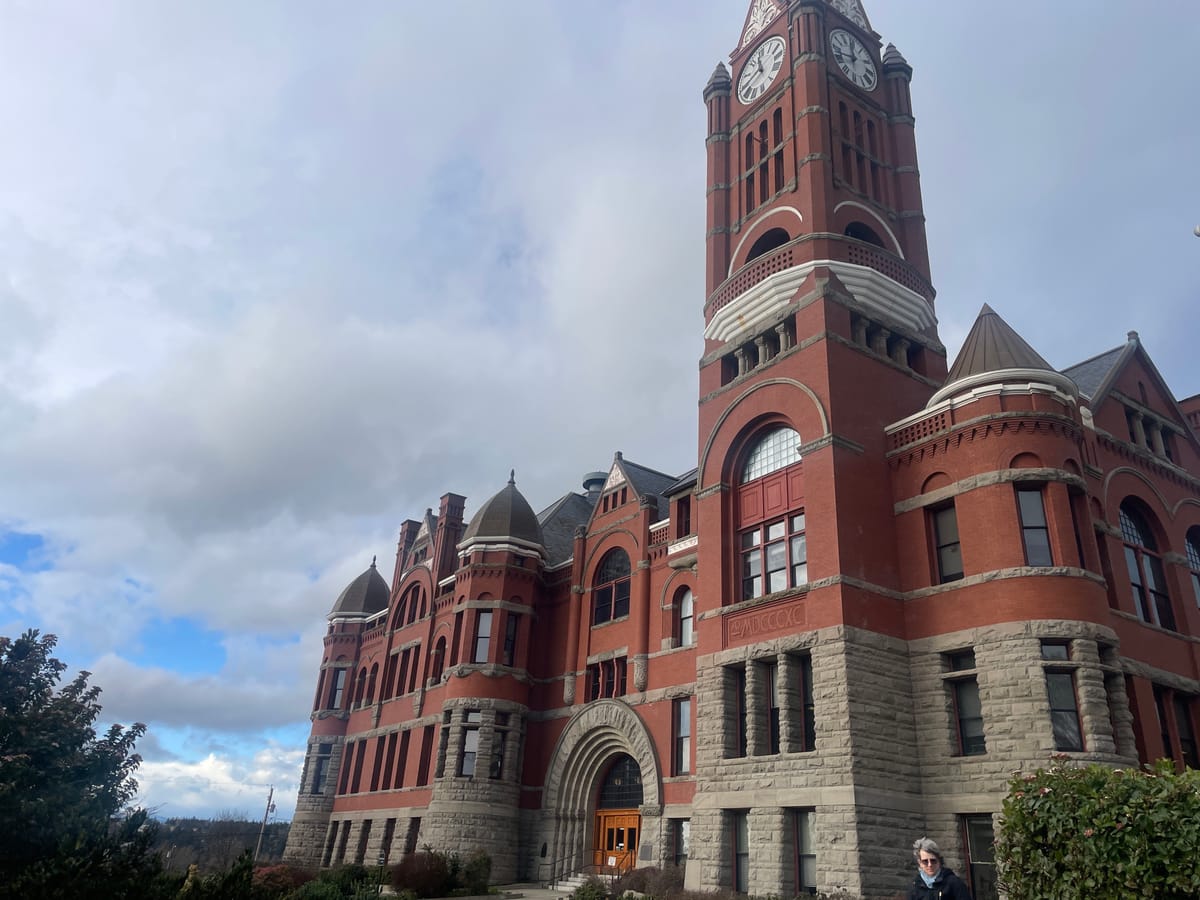
JEFFERSON COUNTY, WA — Effective January 1, 2026, Washington Senate Bill 5101 expanded the state's Domestic Violence Leave Act to include victims of hate crimes and their family members.
Under the Domestic Violence Leave Act, victims and their family members have the right to take reasonable, unpaid leave for assistance and safety accommodations if experiencing domestic violence, sexual assault or stalking. Crimes motivated by a bias against a victim’s actual or perceived race, religion, disability, sexual orientation, ethnicity, gender, or gender identity is a hate crime.
Bills like SB 5101 are extremely important for victims advocacy, but are a response to trauma already caused rather than trauma prevention. In a conversation with the Beacon in November 2025, Superior Court Judge, Brandon Mack spoke openly about the purpose of the courts and the deficits of the system.
“What I see in our criminal system is people who are committing crimes have historically been victims of crimes, and have untreated trauma,” Judge Mack said, “They're struggling from their own life experiences, and committing a crime is kind of what you would expect. Is sending them to prison really going to solve the bigger challenge? . . . Will they have experienced more trauma in prison? Probably.”
The role of the court is to decide what happened, not to address the root of why it happened. According to the National Institute of Health (NIH), 80% of incarcerated people have experienced trauma prior to incarceration. With $63,626 spent on incarcerated individuals per year in Washington State, there's bipartisan interest in minimizing how much money we're spending on corrections.
Roles of trauma prevention are seriously lacking when most social services are scrambling to respond to current trauma and support repair. The courts can’t claim responsibility for prevention. In fact, including assessments for the impacts of the trauma from being in the system is an essential part of the judge’s discretion.
“Ironically, it's basically about how I can keep people out of court. I usually am thinking to myself, this is not the best way to solve a conflict. It's harmful for so many involved,” Mack said, “I'm glad it's there when it's needed, especially when it comes to the protection order calendar, or instances of domestic violence where somebody needs to find a way out immediately. It can serve a good purpose.”
The court isn’t there to file through the minutiae of each person's life. Having a holistic view of a defendant takes more time and consideration than the court has and is out of the purview of their role. But with the majority of people causing crime suffering trauma, these life details build up and burden the system in the long run.
“We generally ask our juries to look at a scenario in a bit of a vacuum, what happened on this day. Not so much, let's take a 30,000 foot view of this, these people's lives and is what the person did justified,” said Mack, “It's very much what happened in that moment of that hour, and if you committed a crime, then you committed a crime. And then the court has discretion when it comes to sentencing.”
According to Washington State Governor's Office of the Education Ombuds, “Nationally, one in 28 children currently has an incarcerated parent; approximately half of the children are under ten years old.” Washington State Judicial Branch allocated $230,000 in the 2025-2027 Biennial Budget with a serving capacity to effectively respond to only “hundreds” of parents.
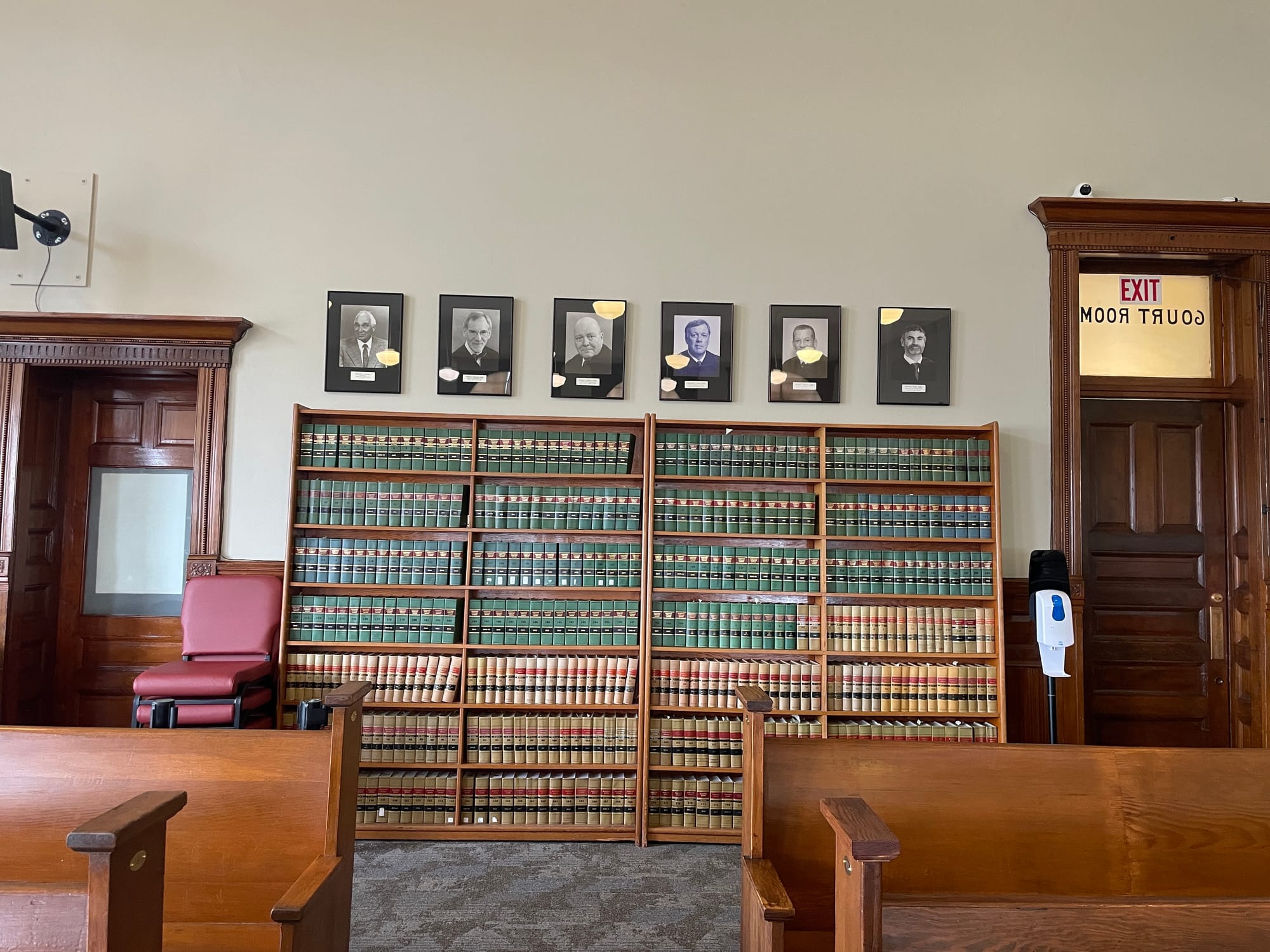
Mental Health Court in Jefferson County aims to lower the number of incarcerations by diverting select defendants with mental illnesses into judicially supervised, community-based treatment. It is a merging of court staff and mental health professionals working together to develop treatment plans and supervise participants in the community.
“Certainly in court, I see from the initial information and affidavit in support of the state's motion for probable cause, this person is in some kind of state of psychosis,” Mack said.
Mental Health Court must walk a line of being trauma responsive and trauma informed, without becoming a social service agency. Getting parents the support they need while they're parenting their kids could make a significant difference in ending the cycles of trauma that become a financial burden on communities.
“Support in a way that isn't top down, but authentic, meaningful support to work to end that cycle,” said Mack. But addressing trauma with someone who isn’t ready to address it or who doesn’t have the resources is difficult.
Healing Courage joined with Jefferson County Advisory Council for Community & Restorative Justice. They are community service groups that understand interpersonal violations take place in the context of relationships and can be far-reaching, complex, and lifelong. “They are built by the community, for the community to address harms that are caused in a restorative manner, which I want to enthusiastically support,” said Mack.
Funding support for those that have caused deep harm can feel complicated when many are happy to see someone sent away for their harmful behavior. Yet, we cannot stop further harm if we don't address the person who caused the harm.
“How do we make it right? Nobody's ever restored back to the way they were. You just move forward. And so some people call it transformative justice, instead of restorative justice,” Mack said, “It needs to start with the acknowledgement of harm, which is in conflict with the fact that we have a right to remain silent, the right to a trial and the right to be presumed innocent.”