Exploring Water Scarcity and Community Connections with Ryan Christopher Jones
[caption id align="alignnone" width="4000"]
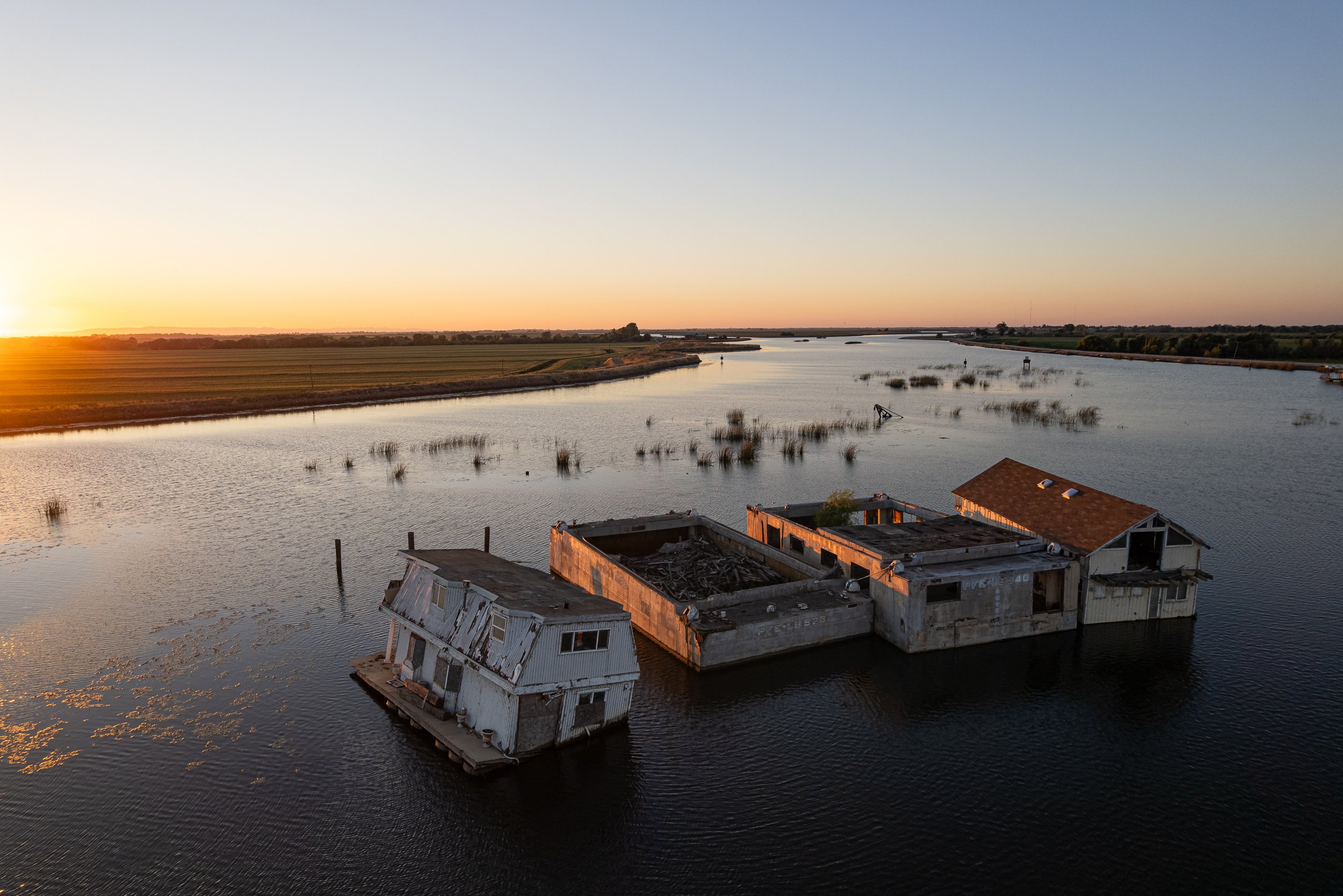
Photo by Ryan Christopher Jones [/caption]
Centrum Arts News by Melissa O’Neil
Ryan Christopher Jones is an observer and storyteller, and his foray into anthropology started long before his doctoral anthropology work. “I had been doing anthropology for a long time without knowing it,” Jones admitted. Whether it is a photo essay on mosh pits or the underground lives of immigrants in Queens, how Sikhs successfully fed crowds at protests or a woman’s story of having to watch her father’s final sacrament via video before his death from Covid-19, Jones knows how to ask questions, investigate, and capture poignant moments and images of real people. His path to his doctoral work in anthropology didn’t come from a traditional academic route but, rather, from his experience as a photographer and journalist.
[caption id align="alignnone" width="2667"]
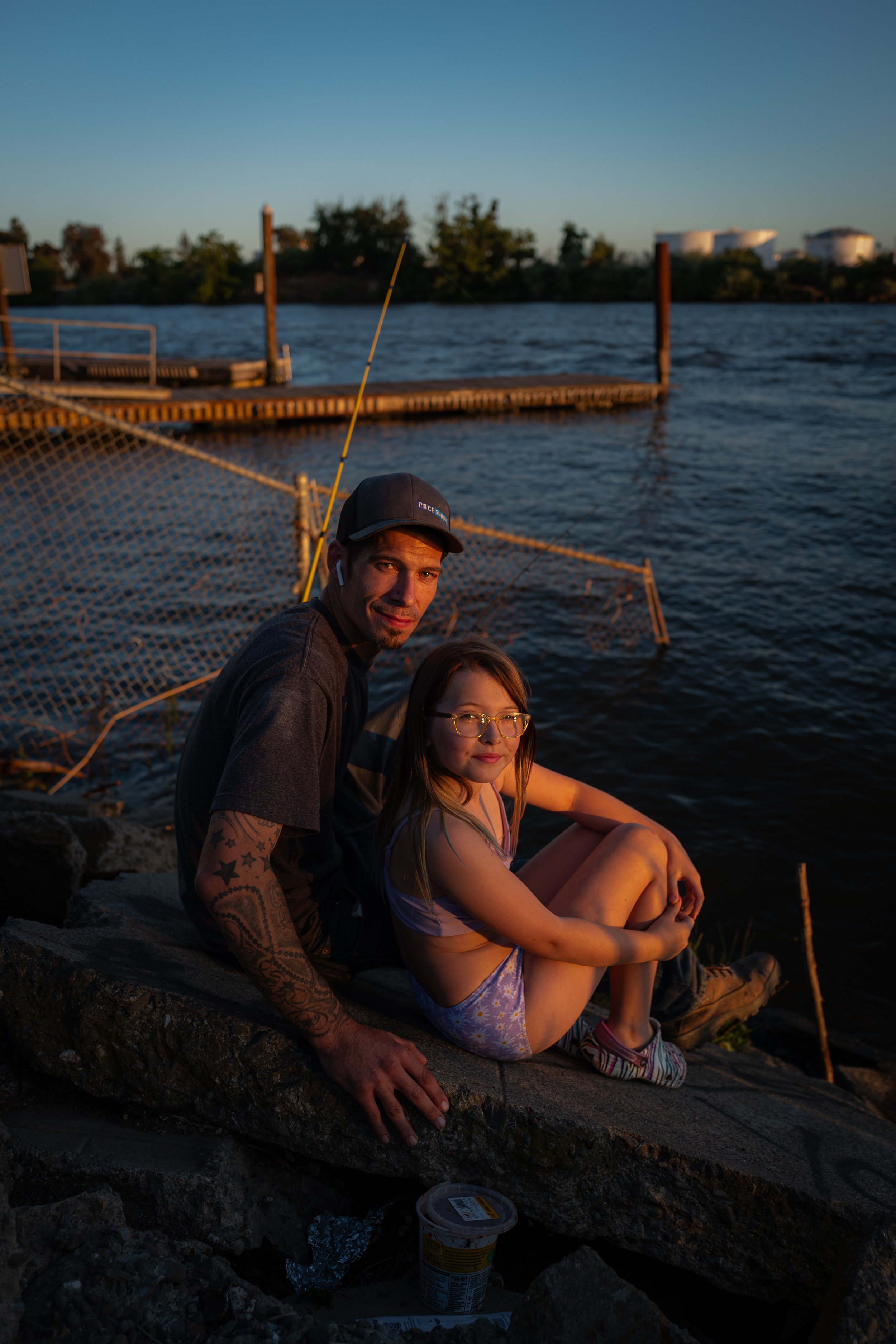
Photo by Ryan Christopher Jones [/caption]
He took an anthropology class on Mexico with Harvard Extension School in 2018, then another on Mexican migration, followed by one on tourism. Jones loved the questions the classes were asking. What is home? What is a visitor? How are we engaging in authenticity? What is considered proper locality or proper tourism? The interest in Mexico was personal. He is half-Mexican and was raised without speaking Spanish. The questions about belonging that were posed in the classes had a particular gravity for Jones. Finally, one of his professors encouraged him to seek a doctorate in anthropology. “Anthro needs real people,” she told him. He thought about it for a weekend and, by Monday, had decided on his course of action, even though it meant having to go back and finish his undergraduate degree.
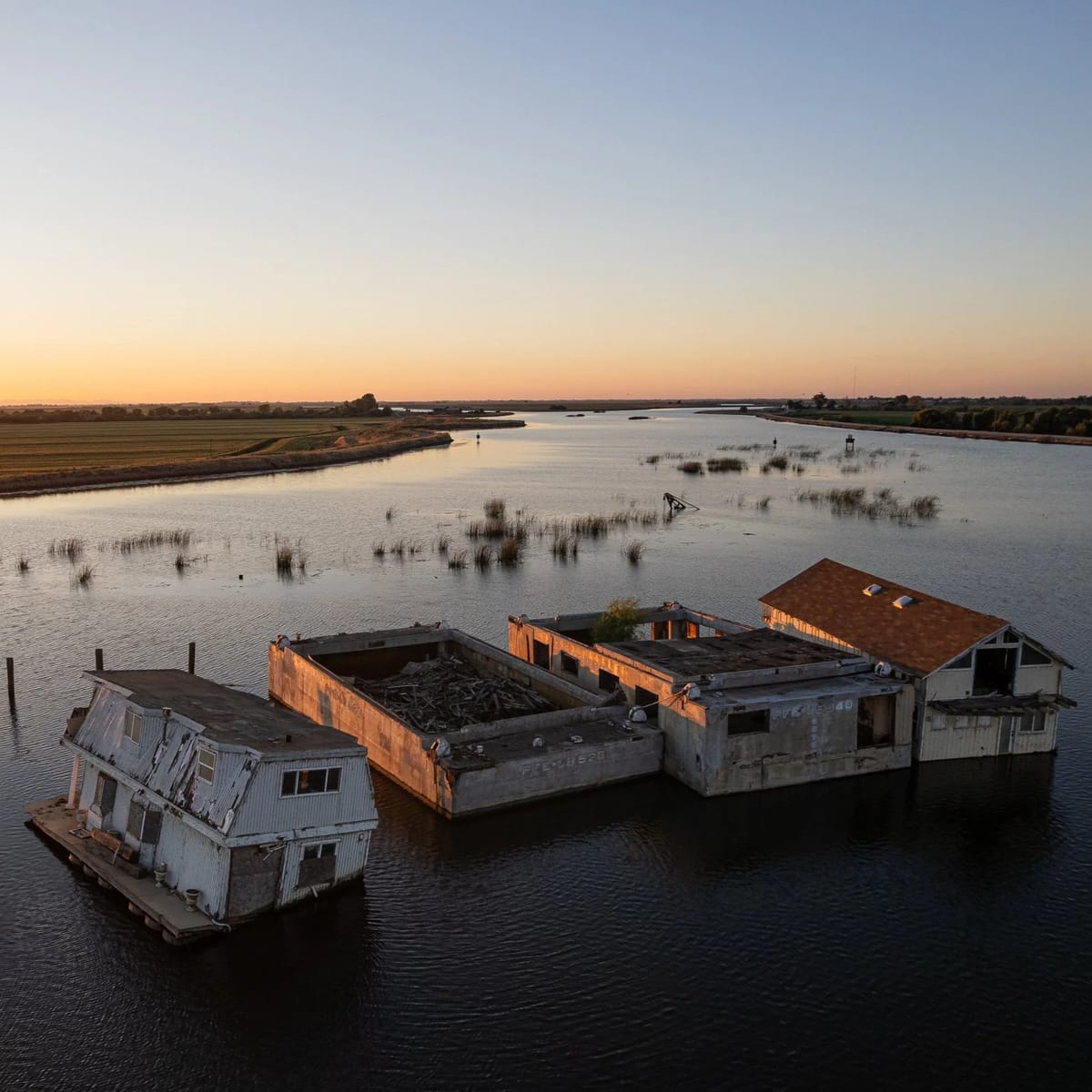
When deciding on his field of study, Ryan went back to his roots. He grew up in Fresno, California, in the San Joaquin Valley, which receives water from the Sacramento–San Joaquin Delta and sits two and a half hours south of the Delta. Drought was a recurring event. He spent time in the Delta, studied maps, drove along the levees, and realized a lot was going on there. The hydrological map reveals numerous islands surrounded by water, and water itself was at the heart of many local issues.
He was already taking photos of issues that were important to him, but it was hard to find any photographs of the local people from the Delta.
Jones’ doctoral work weaves social anthropology and California’s relationship to water, particularly as it impacts the Delta, a triangular-shaped area with several major cities as points of reference, including Sacramento, Antioch, and Stockton. As rivers meet and flow into the bay, they create a triangle built of river sediment as it flows out in the region's bays and ultimately into the Pacific Ocean. Although the Delta itself has plenty of water, a scarcity mindset prevails, both in the Delta and in LA, where 48% of the city’s water comes from the Delta.
“The water from this place is not just for this place,” Jones explained. Jones photographs the people of the Delta, connecting them to the Delta and to the state, while examining how scarcity affects people and the movement of water. Fresh water is life-giving, and Jones posits that water is fugitive, always on the move, fleeting.
[caption id align="alignnone" width="2967"]
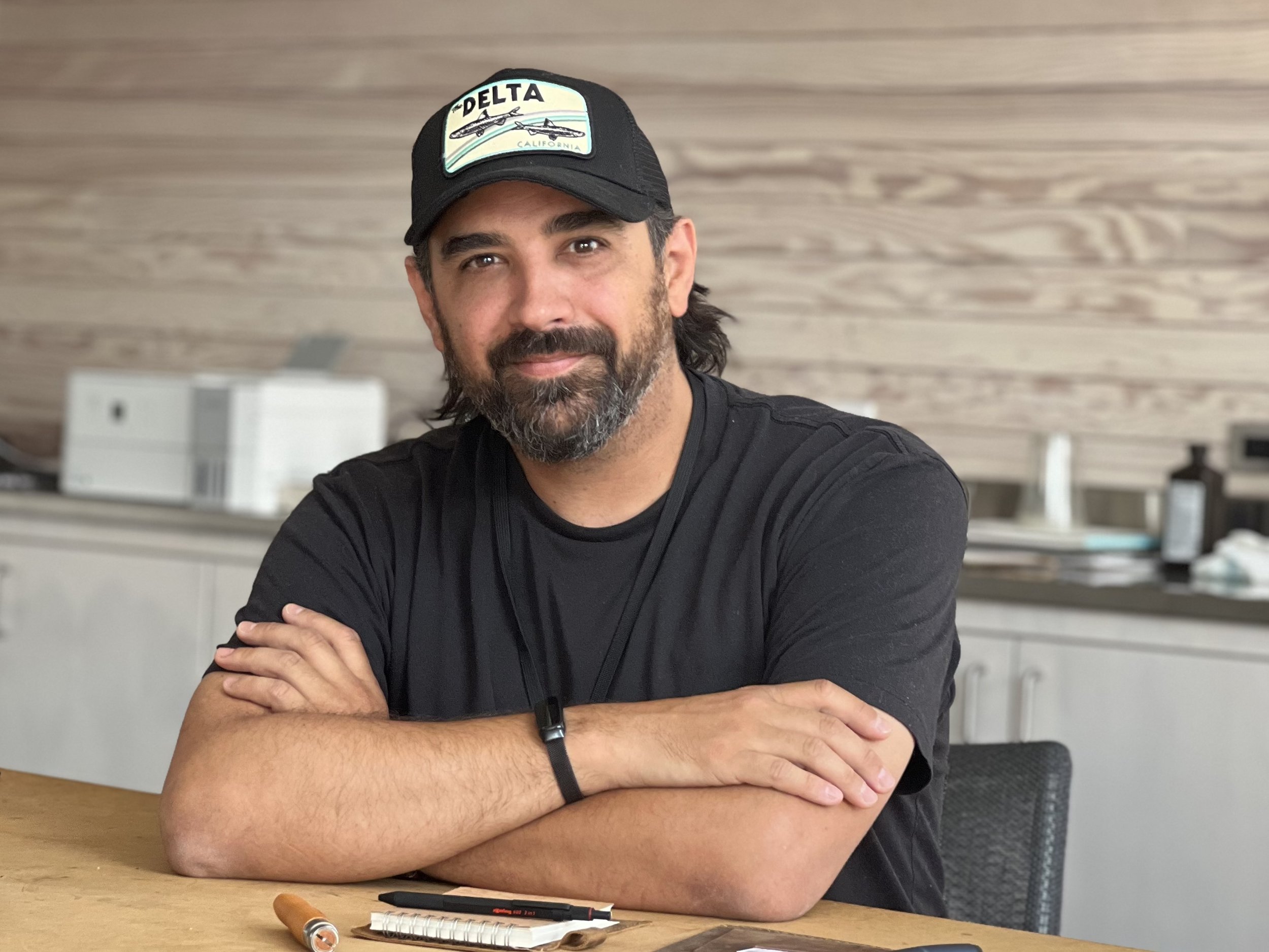
Photo of Ryan Christopher Jones by Libby Pratt [/caption]
Ryan Christopher Jones is doing a residency at Centrum and is giving a talk and visual presentation about his doctoral work examining the complexities of water and its scarcity, community relationships to local waterways, and the complex politics of intrastate water transfers.
Please join Centrum in welcoming Ryan Christopher Jones on September 10th at 6 p.m. for a talk and studio visit at Centrum’s 305 Building Classroom Studio at Fort Worden State Park in Port Townsend, Washington. You can find more information here: https://centrum.org/event/artist-talk-studio-visit-ryan-christopher-jones/
Editor’s note: this article has been updated to depict Jones’ biography more acurately.