Feral Feelings: Small-Town Shadows
[caption id align="alignnone" width="2304"]
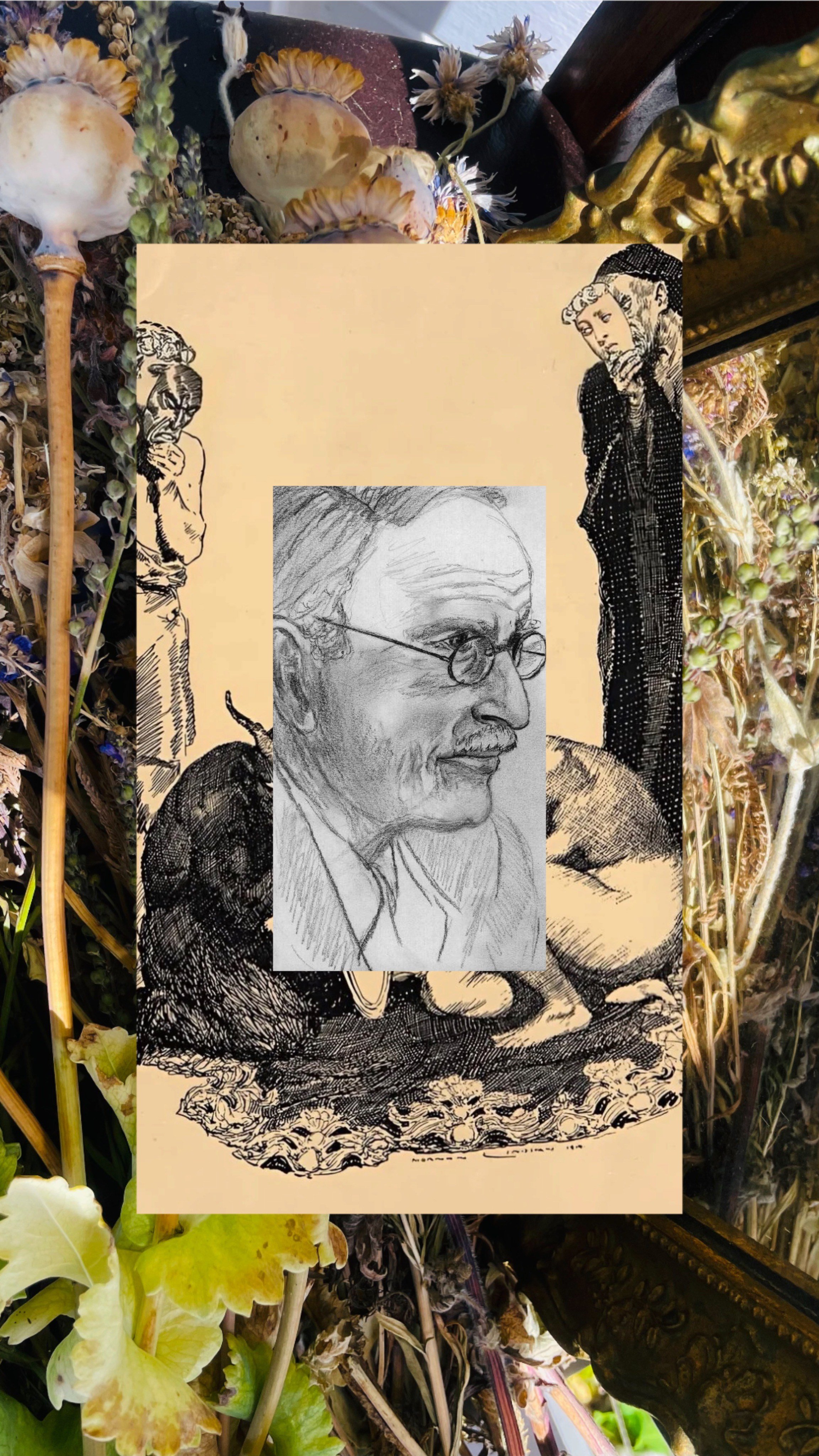
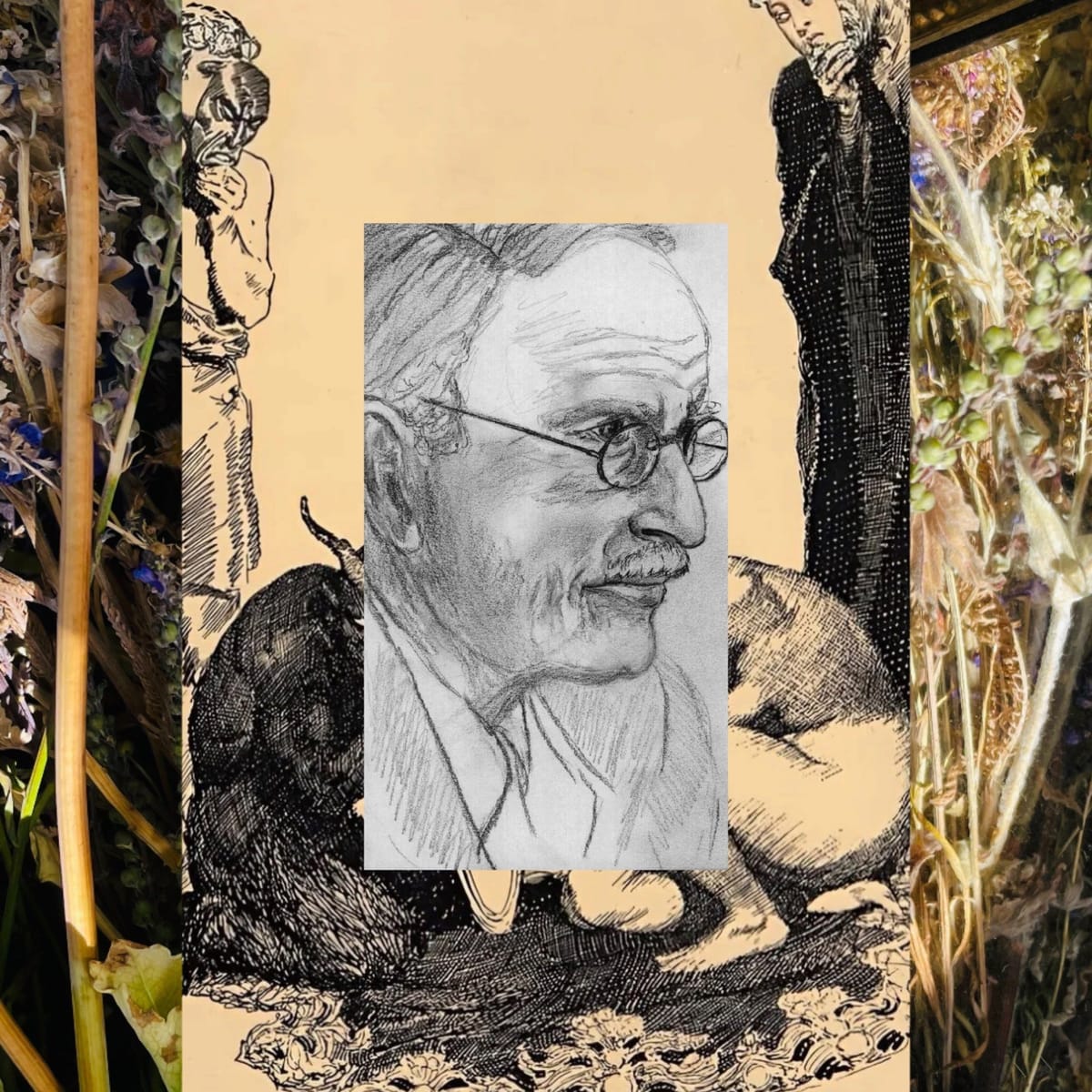
Image Collage by Amber Autumn Leaves Huntsman [/caption]
Dear Feral Feelings,
There’s so much I appreciate about living in our little town. I have a big community of friends and loved ones here, and I do feel grateful for that. But the constant small-town dramas make living here messy and sometimes totally stressful. I’m tired of running into local ass hats, getting earloads of gossip, and generally feeling like any event I go to will come with some hidden interpersonal cost. Sometimes I want to relocate, that’s how over it I am. But I don’t want to leave my people. What advice do you have for peaceful small-town living?
-Seeking Peace
Dear Seeking Peace,
You are in good company with this question. Who here, or in any other small town, hasn’t felt the complexity of close community. Small town living can be cozy, connected and intimate. It can also be stifling, frustrating, and exposing. You cannot hide from others in a town like this.
Though I’ve spent most of my life here in Jefferson County, I lived some years in Seattle to finish college. When I lived there, I’d hear other city dwellers say, “Seattle might be big, but you’d be surprised- it’s really a small town.”
Respectfully, I disagree. Seattle is many things, but it is not a small town.
In Seattle, you can go months or even years without running into someone you don’t like, especially if you take measures to avoid those people. You can cycle through friend groups and find a new group when the old one breaks down. You don’t necessarily need to repair frayed connections, make amends, or learn to tolerate people you deeply disagree with. You can burn bridges with such ease that you forget there was ever a bridge to begin with. A city is a place where you can hide.
I don’t mean to imply that absolutely no one who lives in Seattle hasn’t chosen to work through complex community issues. I mean to say that the level of anonymity and distance available to city folks is unavailable to us here. You will, over and over again, run into your ex, your former friend or a co-worker you can’t stand in a community this tiny. Likely, you’ll have to do more than share a grocery aisle with people you find difficult- you may have to collaborate with that person, tolerate that person dating someone you love, or need that person’s help if push comes to shove.
And, this challenge in small-town living is an incredible feature of where we live. Instead of searching for peace through trying to solve the problem of your discomfort, you can use those moments of discomfort to gain personal insight. Particularly if you use those moments to do some shadow work.
The Shadow is a Jungian concept referring to the bottomless well of the unconscious mind- fears, anxieties, desires, anger, vulnerability and hidden strengths all dwell there. By their nature, those emotions are repressed, and those shadowy figures come to light through what we see mirrored in other people. Our feelings about others are information about ourselves- we project from our shadow onto the surface of others. And then we tell ourselves our feelings about those people are facts. To do shadow work is to challenge our projections and learn more deeply about ourselves.
There are exceptions to this rule, of course, especially in the case of issues like interpersonal violence and other challenges to safety. We do get hurt by others, and those hurts are valid. They are not simply a projection of your unaware mind. But your question doesn’t center around not feeling safe; it centers around people you don't care for and social dynamics you find challenging.
Shadow work around interpersonal challenges takes the focus away from others and directs the focus to you. Because this is the thing- you cannot fully avoid people you consider to be asshats. You cannot avoid hearing gossip if you make your time available to receive it. And you cannot eliminate the complicated and intricate web of community connections that makes itself so painfully clear in group settings.
Though I loved the anonymity of living in Seattle, burning bridges and running for the hills did not serve me in the long term, even if it did bring short-term relief. When I returned to this area after a decade in the city, I landed in Quilcene. For me this was a master class in shadow work. There were seasons I had no choice but to ask for help and collaboration from folks with whom I was in active, painful conflict. This not only helped me grow, but it also brought me an immense sense of inner peace.
This is the thing- inner peace does not come from other people changing so that you can feel more peaceful. It comes when you understand yourself so fully that your peace is not disturbed when other people are their full, messy selves. Or, as Jung said, “Knowing your own darkness is the best method of dealing with the darkness of other people.”
That which you seek is already there, my friend, and these challenges can bring you closer to that peace if you turn the mirror away from others and look at your own reflection.