Finding Hope in Housing Collaborations

This is a Beacon-exclusive monthly column by different housing experts in Jefferson County.
This month’s column is by Heather Dudley-Nolette, from Bayside Housing.
When we think about the biggest issues facing our community, “Housing with a capital H” tends to be one of the first to come charging into our minds. Those who support individuals and families in need of housing are constantly aware of the complexities involved in solving what can often feel like an intractable problem.
It quickly becomes overwhelming to think about the ways that housing – or the lack thereof – is interwoven into almost every other concern on our minds, including infrastructure issues like sewer and septic capacity, roads and water; the ability of our local businesses and service providers to attract and keep good employees; how to cover the ever-increasing costs of building and maintaining homes; and the ways that having or lacking stable housing can affect our mental and physical well-being.
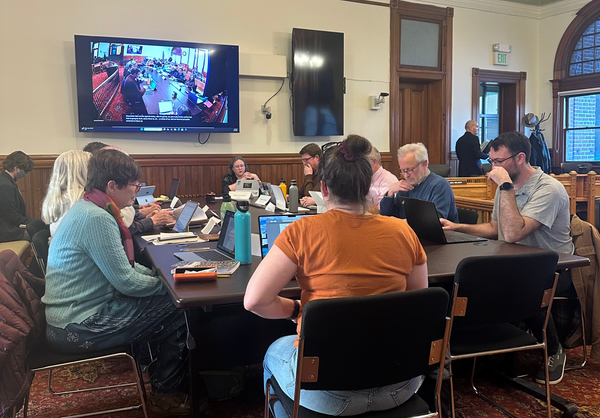
To help wrap our minds around such huge issues, it’s important to find ways to break them down into smaller, more approachable goals so that we can gather the collective strength and the partnerships required to move past the overwhelm, to start to create meaningful solutions. One of the ways that we’re doing that in Jefferson County is by growing the collaborative network between housing agencies.
Through various housing collaboration discussions, we’re reaching some common understandings about the barriers that we’re facing when we attempt to build more housing. I asked leaders from various agencies about their most significant barriers and each one pointed to “resources”, which doesn’t only equate to financial resources. They included resource challenges like finding and growing enough skilled labor, and developing the local knowledge base required to build the approximately 4,000 homes that the Washington State Department of Commerce predicts we will need in Jefferson County within the next 20 years.
Jamie Maciejewski, Executive Director for Habitat for Humanity of East Jefferson County said “This is going to take a sustained, coordinated, publicly sponsored effort. We need leaders who have learned how to deliver impact and who stay invested over time.”
More than ever before, organizations that work on various housing or housing-related projects are talking to each other, focusing on our impact, and thinking strategically about the needs across the entire county. Even as we recognize how limited funding availability tends to pit us against one another as competitors, we are also learning through experience that by opening our office doors to one another and sharing goals, we’re finding ways to coordinate our efforts while leveraging the contributions of the other parts of the system – whether those contributions come from nonprofit housing agencies, local builders, government partners, home-seekers, advocates, volunteers or donors.
This effort is not only about the efficient use of resources that are perceived to be scarce and limited but also about creating a culture of possibility and hope. When we work toward each other - when we see each other as collaborators, then we start to see that we often want to reach the same or similar goals. When we recognize that we are all facing these apparently overwhelming issues together, then we become more willing to share information, increase transparency, and partner with one another. Through these partnerships, we can then begin to think strategically about how best to use our individual and organizational strengths to create solutions – one project at a time.