Food Preparedness: Your Pantry and Beyond

Opinion by Elena Bary; DEM Program Coordinator
Food is an important part of our emergency supplies. Being prepared for a natural disaster can also support you during other times of uncertainty like a personal injury or losing a job. We will go through some basics for starting & maintaining your emergency food supply. We’ll go beyond the pantry and share some ways you can think about building resiliency in your home & community. For our area, the Department of Emergency Management (DEM) recommends a tiered approach to gathering food & other emergency supplies.
3 Days = Good
2 Weeks = Better
30 days Best!
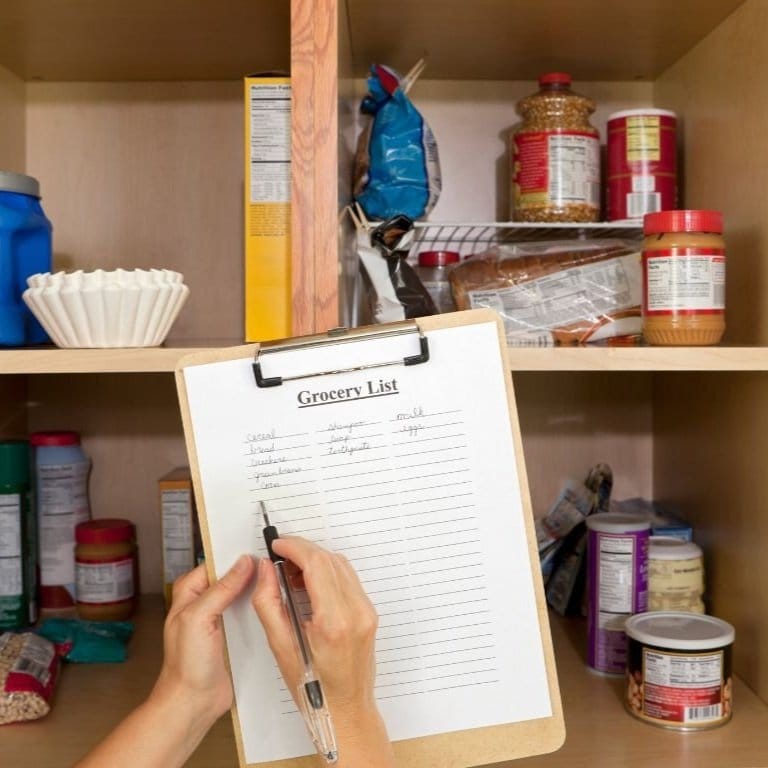
If you feel daunted about where to start, consider creating your own meal plan. A general outline is plan for breakfast, lunch and dinner, and ensure at least one well balanced meal per day for good nutrition & energy. Including 1-2 snacks can support your energy throughout the day.
Food insecurity impacts many in our area. Lack of resources also affects our ability to plan for the future. Start where you can and build up from there. Adding a meal at a time increases your preparedness bit by bit.
A simple rule of thumb is to keep extras of shelf stable food you regularly eat and rotate through. When grocery shopping, Keppie Keplinger, DEM’s Deputy Director & Public Information Officer’s says “I watch for two for the price of one labels on items for my emergency food supply.”
Consider storing a variety of food types in your emergency supply. Things like dry beans & rice will keep indefinitely. Canned goods, shelf stable snacks and instant prepackaged meals can be rotated more often. Every six months, check the expiration dates on your emergency food.
Think Plan Do, Jefferson County’s Emergency Preparedness guide, goes in depth about how long different foods last. It shares many tips and best practices for your emergency food and go kits, and many other things to consider.
Freeze dried meals and MREs are popular to add to your emergency food supply. They can help you save space, and have a long shelf life. Consider the ingredients and sodium levels in these and other prepared foods. As always, think about your personal dietary needs and what will work for you.
Plan for how you are going to cook in a power outage. If your stove uses electricity, you’ll need a back-up option. If you cook with propane, consider having some extra on hand for emergencies. Propane camping stoves and charcoal BBQ’s are some alternative options. Safety note! Remember to only use these outside & in a well-ventilated area. Plan & practice for how you will set them up.
During a power outage, eat strategically and use perishable and refrigerated foods first. After that, move on to items in your freezer. If you keep your freezer closed, food will stay frozen for up to 48 hours. Do this before eating shelf stable foods.
How we think about food preparedness can go beyond what’s in your pantry. Resiliency is how people and systems are able to adapt and move forward in the case of various and unforeseen disasters. On a personal/household level, you can build resiliency by adding storage crops to your garden. Plants like corn, winter squash, dry beans, and potatoes grow well in our area, and you can store them over the winter.
For more information about food system resiliency, check out this link from our May talk about emergency preparedness & food resiliency at the Jefferson County Library. https://bit.ly/EPTalksFoodResiliencyandWaterStorage
One of the strengths of our community is neighborhoods who are coming together to plan for natural disasters. If you’re working with your neighborhood, or want to start a neighborhood group, consider how you can support others in your neighborhood who have fewer resources. Would you and your neighbors like to start a garden exchange? Having relationships with neighbors you can rely on in an emergency can help you and your community be more resilient together.
When you prepare for a natural disaster or emergency, this can lessen the immediate impact of the situation. Together, we can all get started and work on our food preparedness bit by bit!