Jefferson County Immigrant Rights Advocates Prepares to Support Immigrants Amid ICE Concerns

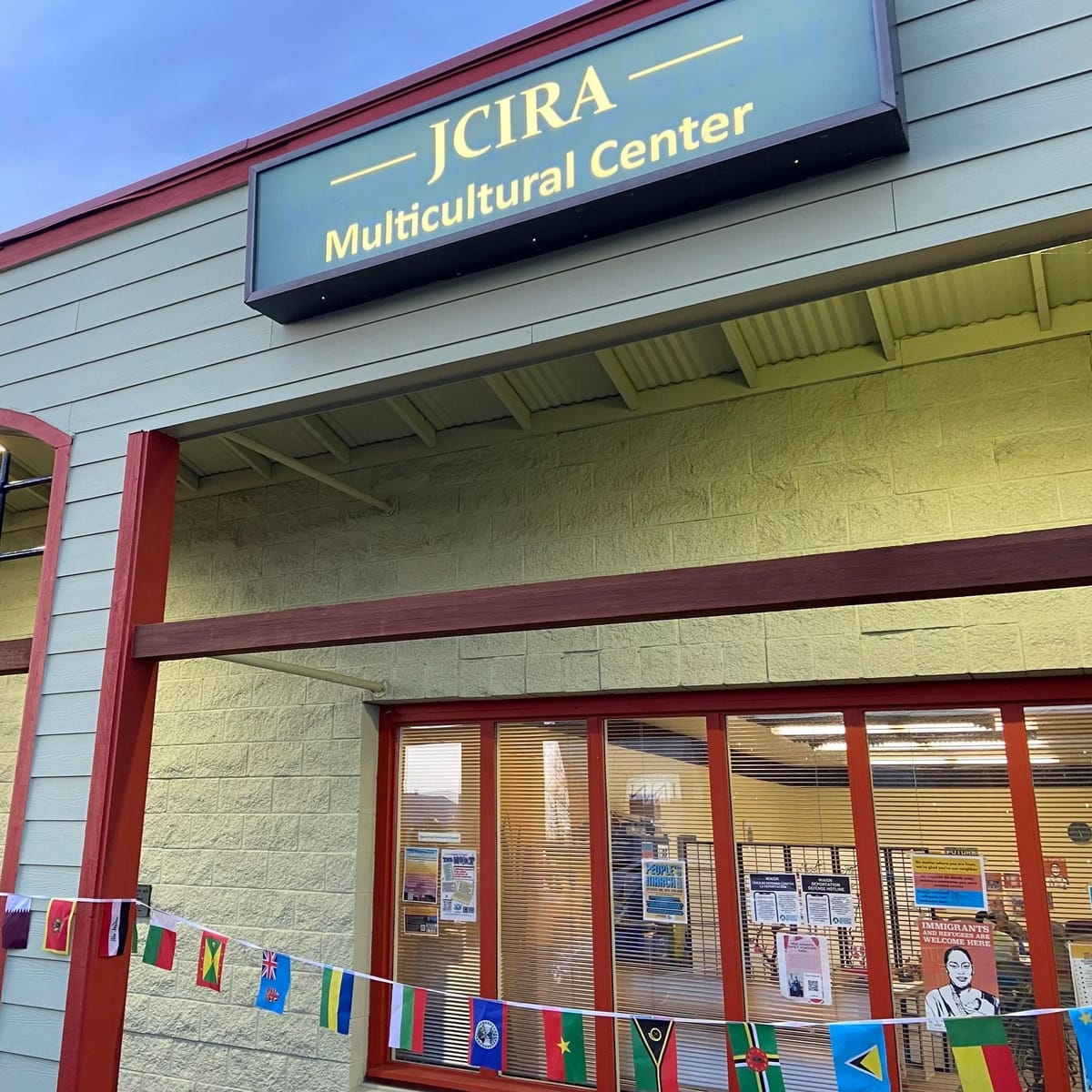
[caption id align="alignnone" width="4032"]
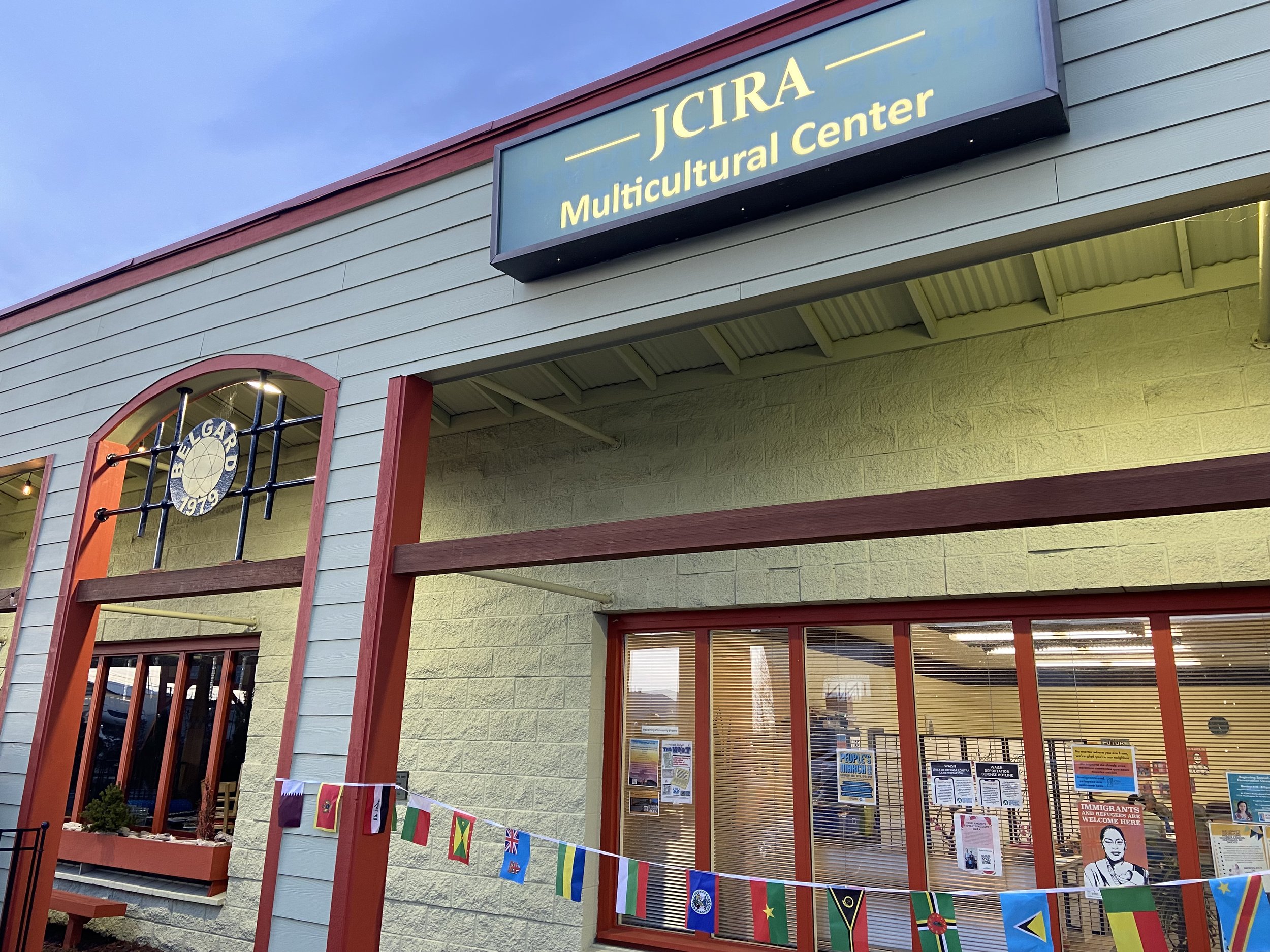
Photo by Nhatt Nichols [/caption]
News by Nhatt Nichols
Families suddenly separated, long-term green card holders held for an indeterminate amount of time in detention centers, sometimes hundreds of miles from their home. This is the heartbreaking reality of Trump’s immigration policy.
Though these stories are surfacing all over the US, Jefferson County has, so far, not experienced any ICE activity beyond patrolling. That doesn’t mean that Kate Franco, co-founder of the Jefferson County Immigrant Rights Advocates (JCIRA), is resting easy.
“I think the fear and what's in the news has people worried, but we can say, so far, so good on the Olympic Peninsula. But that's not true for all of Washington,” Franco said.
Franco and the rest of JCIRA have been working with the hospital, schools, and churches to help people in those spaces understand their rights since Trump ended Biden-era protections that kept immigration enforcers out of those spaces.
“We do the training so people are ready to help,” Franco said. JCIRA trains people in those spaces to refrain from posting anything on social media and to document everything to pass on to lawyers, the ACLU, and the family.
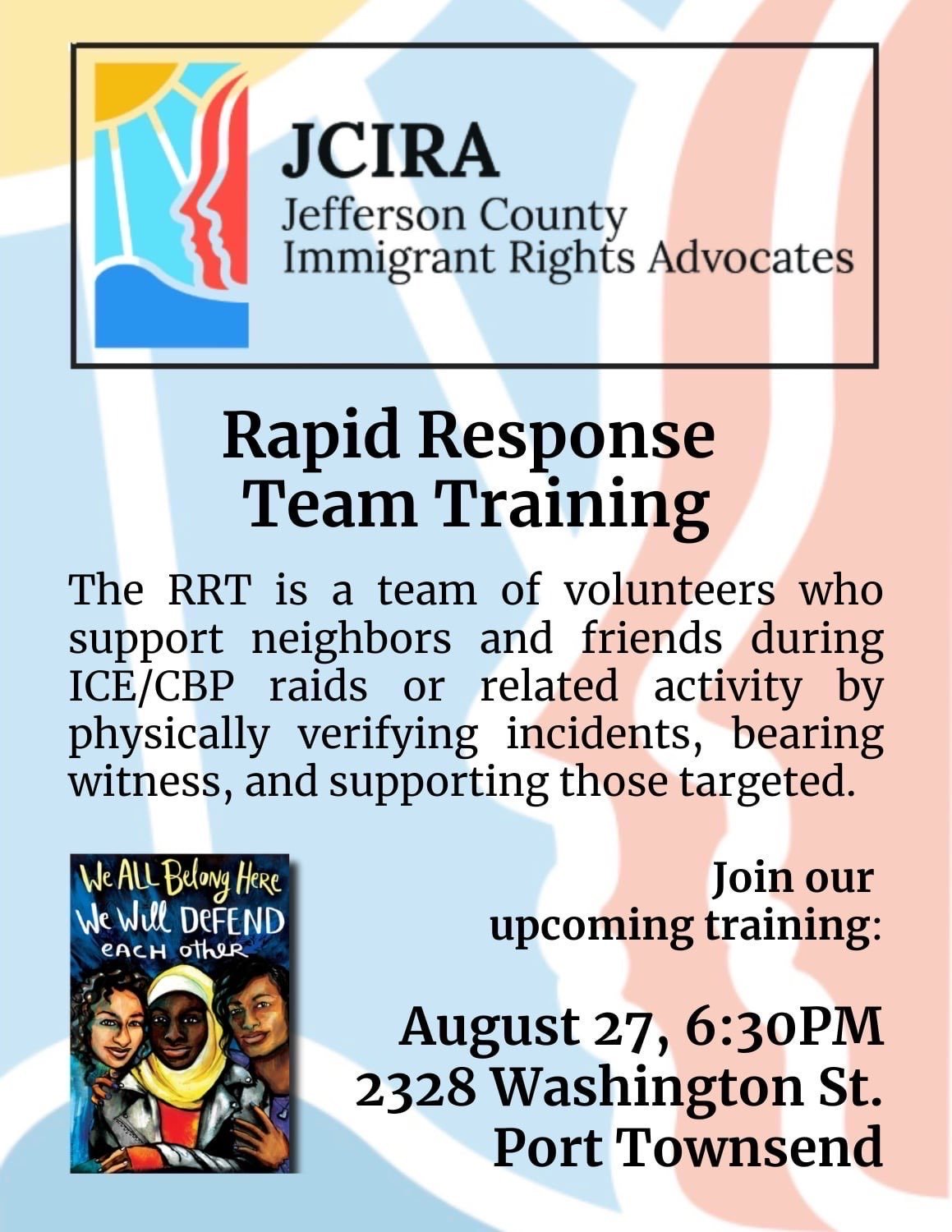
JCIRA also trains people for their Rapid Response team, which provides assistance in case Immigration and Customs Enforcement (ICE) is spotted detaining someone in Jefferson County. “Right now, the level of emergency is just sightings of ICE and border patrol and saying, okay, they're here,” Franco said, “If you see an ICE patrol, you can call the Rapid Response number.”
The volunteer who answers the Rapid Response phone sends someone to verify the details, and then a larger team documents the interaction. Rapid Response team members don’t intervene; instead, they film the ICE officers and ensure that no one’s rights are being violated and that the person being detained understands what ICE is not legally allowed to do, like enter a house without a warrant. The team also contacts the detained person’s family to offer them support, including helping to work out where they are being detained.
For many members of Jefferson County’s immigrant population, the fear surrounding current policy is reminiscent of the campaign waged against them in 2008.
After a suspected terrorist was apprehended at the Port Angeles border, the number of agents increased from four to 25. Suddenly, checkpoints appeared on highways, including on 101 and the Hood Canal Bridge, and ICE agents monitored hospitals and schools. In Washington State, these stops led to 81 undocumented immigrants being taken into custody, though they were unable to find any additional evidence of terrorist activity.
Today, trained JCIRA volunteers also accompany immigrants to public places. “Whether it's the courthouse or a doctor's visit or shopping, anybody who's feeling fearful about getting out and going someplace,” Franco said, ”the fact that [ICE] are around and people are seeing them is enough to put fear in people's minds.”
Natalia Durán, JCIRA’s Outreach Coordinator, has also seen how afraid people are. “I have heard things like people asking, ‘Can we still go to the court to pay our tax?’ And I'm like, Yes, the judges are very friendly. They are actually very supportive of the immigrant community, and they understand the situation.”
Franco added that the same goes for local law enforcement and David Faber, the mayor of Port Townsend. “I've talked with them personally, and they're supportive.”
Another way JCIRA is able to help is by offering a family preparedness package that helps families identify what they need before a problem arises. “Then they understand what it means to give custody to someone else who is a citizen, in case of an emergency. You know, if parents get deported or arrested,” Durán said. JCIRA also has a notary on site, so the papers are immediately recognized. “We're a small organization doing big things,” Durán added.
Survival is Insufficient
While protecting the legal rights of immigrant and helping families stay to gether is some of their most crucial work, JCIRA also places a great deal of value in helping to build resilient relationships between all community members.
Most of Durán’s work revolves around creating programs for families, such as funding summer camp for those who can’t afford it, and she spends her time in the community garden as well as in her office in the Washington Street community center. “We like inviting the families to plan and to harvest together. And, you know, those kinds of things and help,” Durán said.
Both Franco and Durán emphasized that one of JCIRA’s main goals is to bring more members of the immigrant community onto their board, because those are the people who really understand the kind of help they need to be providing and the lessons self-advocasy provide are priceless.
If you would like to become a member of JCIRA’s Rapid Response team, they are hosting a workshop on Wednesay, August 27 at 6.30 pm at 2328 Washington Street.
They are holding a vigil for immigrants at the Haller Fountain on September 1, at 4 pm. All are welcome to join.
If you see ice or border patrol activity, call 360-531-2958 to reach the Rapid Response team.
An earlier version of this article incorrectly states that Franco is the Executive Director of JCIRA.