Jefferson County PUD Proposes 9% Rate Increase to Address Aging Infrastructure and Rising Energy Demands

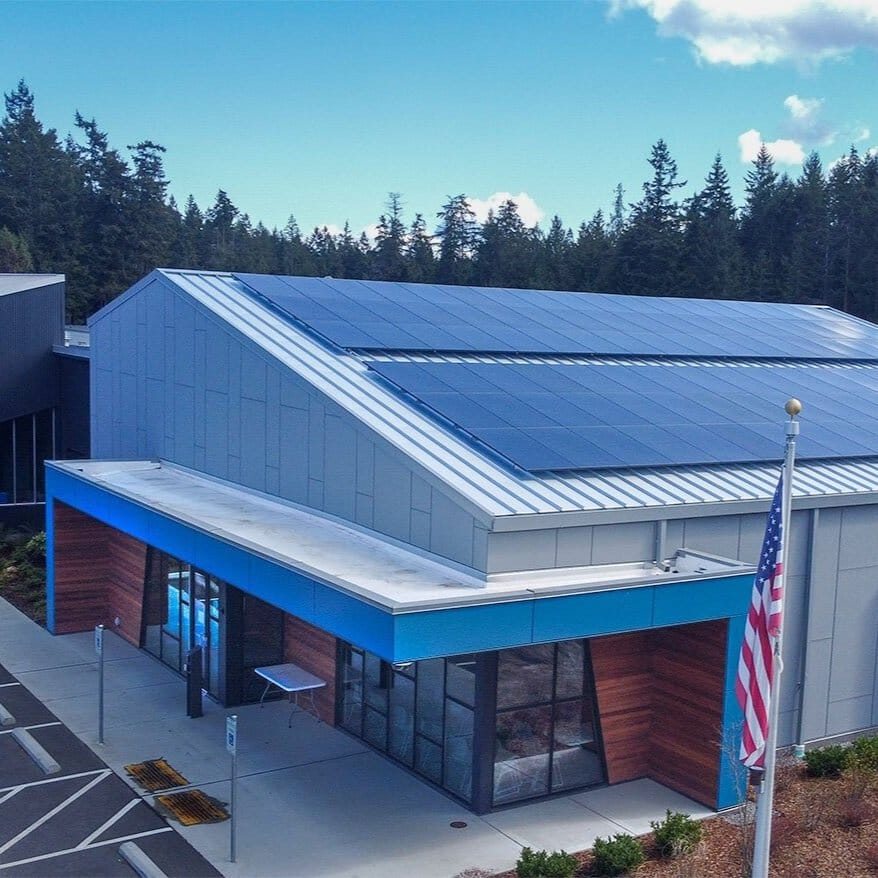
[caption id align="alignnone" width="1440"]
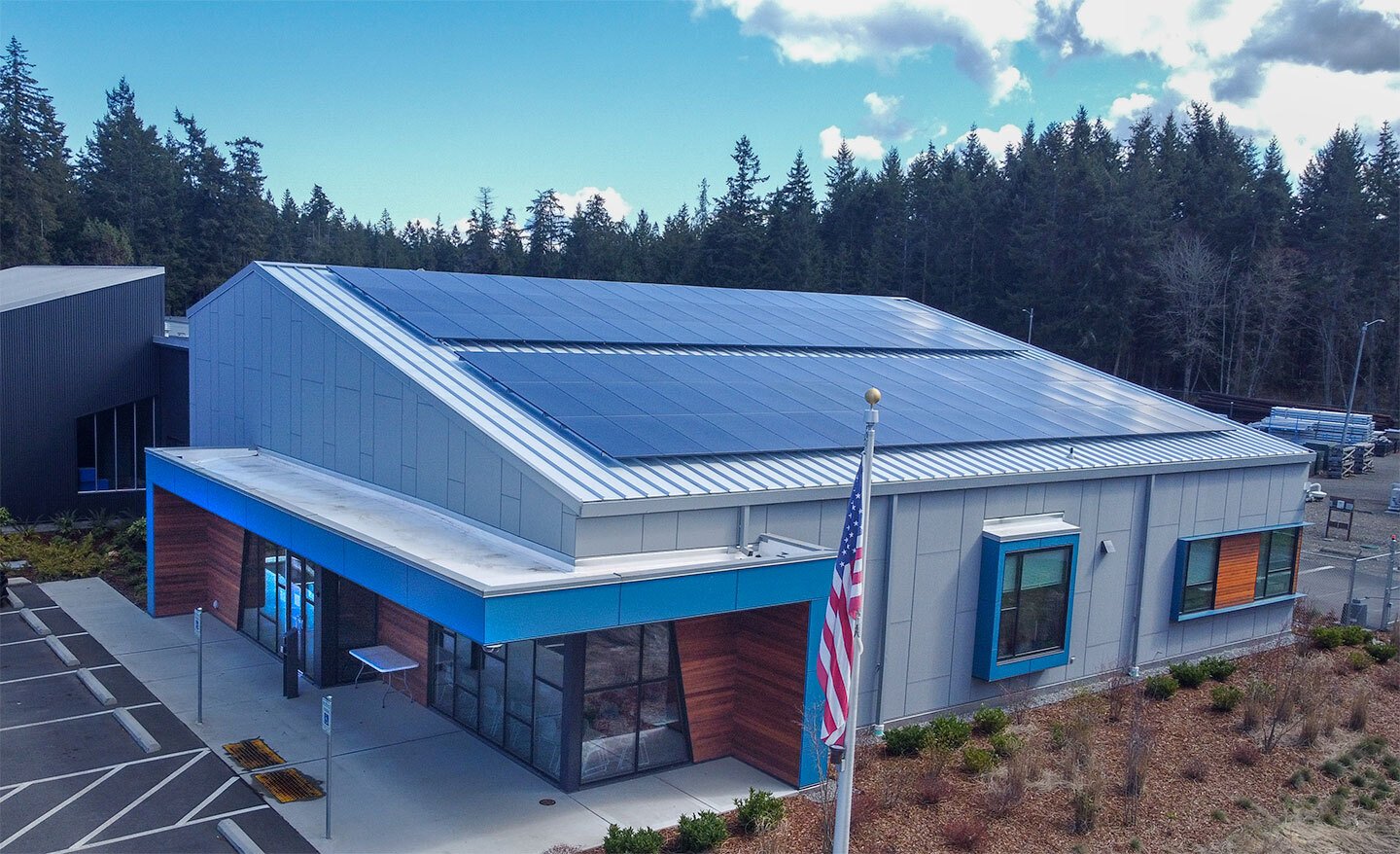
Photo courtesy of the Jefferson County PUD [/caption]
News by Scott France
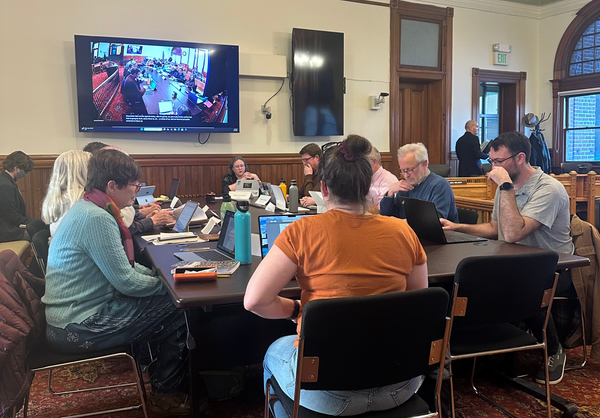
Jefferson County PUD Board of Commissioners will review and possibly vote on a staff proposal for a proposed 9% rate increase. The proposal, the result of a yearlong cost-of-service analysis, will be reviewed—and possibly voted on—at the board’s next regular meeting on Tuesday, June 3, at 4 p.m.
The proposal comes after the completion of a detailed financial and operational study conducted by PUD staff in collaboration with the consulting firm FCS Group. The study found that a combination of gradual rate increases and low-interest borrowing will be necessary to fund long-anticipated repairs and upgrades to the county’s aging electrical infrastructure.
In 2023, PUD General Manager Kevin Streett informed the commission that the electric grid could require over $100 million in investments over the next ten years. A more immediate capital improvement plan calls for more than $65 million in spending on substation repairs, equipment replacements, and grid upgrades between 2026 and 2030. “Our four-year work plan accounts for future growth and levels up our grid with the latest tech to better understand and keep a pulse on how our grade operates,” Jameson Hahn, PUD’s Digital Communications Specialist, said.
Streett emphasized that much of the utility’s equipment—particularly substations, underground cables, and other buried infrastructure—dates back 30 to 50 years. The PUD bought the system from Puget Sound Energy in 2013, and much of what was inherited was already at the end of its useful life. Much progress has been made replacing meters and lines, but the substations are now the biggest cost drivers.
Inflation and supply chain challenges have heightened the challenges that the PUD faces in meeting the energy needs of the county. “Since Covid, timelines and costs for commonly purchased items such as transformers have nearly doubled,” Hawn said. “Substation transformers can take up to two years to receive after the order has been placed.”
According to Streett, the age of the grid isn’t the only factor prompting the proposed increase. Rising electricity demand during the coldest days of winter has begun to strain equipment that once had sufficient capacity. These peak-load events have led to outages and extended recovery times, particularly in areas served by older or more limited infrastructure, as the system is experiencing a slow but steady increase in demand.
If approved, the 9% increase would take effect in the second half of 2025. For the average residential customer using 1,000 kilowatt-hours (kWh) per month, the change would translate to an estimated $12 increase in their monthly electric bill.
The proposed rate adjustment includes a $5 hike in the monthly base charge—from $28.50 to $33.50—and a restructuring of usage charges. Currently, the PUD uses a three-tier system. Under the new plan, that would be reduced to two tiers: electricity usage up to 600 kWh would be billed at 10.29 cents per kWh, up from 9.66 cents, while usage over 600 kWh would be billed at 12.83 cents per kWh, up from 11.72 cents.
The third tier, which previously applied to usage over 1,601 kWh, would be eliminated. Streett said the decision was aimed at fairness and efficiency. “In the winter, when people use more electricity to stay warm, the third tier didn’t promote conservation so much as it penalized people,” he explained.
“The PUD offers a $60.85 monthly bill credit for income qualified electric customers,” Hawn said. The PUD board sets the credit amount, and this will most likely be a topic of discussion in the coming months, once a rate schedule is approved, according to Hawn.
The utility’s funding strategy also includes pursuing low-interest loans through the U.S. Department of Agriculture’s Rural Utilities Service (RUS), which provides financing options for rural electric infrastructure projects. These loans, along with phased rate adjustments, are intended to limit sudden impacts on ratepayers while addressing long-term needs.
“We never take rate discussions lightly,” said Streett. “The study, and the rates being proposed, are what we consider an absolute necessity to address our aging grid, meet growth, and maintain and improve reliability.”
The upcoming board meeting on June 3 will provide the public with an opportunity to comment before any vote is taken. Members of the community who wish to weigh in on the proposal can attend in person or watch the meeting online via the PUD’s website.
If adopted, this would be the first in a likely series of rate increases over the coming years, part of a multi-year plan to ensure that Jefferson County’s electric system can continue to meet modern demands and withstand the stresses of weather, population growth, and aging infrastructure.
More information about the rate proposal, the cost-of-service study, and upcoming capital improvement plans is available on the Jefferson County PUD website: jeffpud.org.
Commissioners can take written comment via email at commissioners@jeffpud.org.
Meeting recordings for all rate study discussions can be viewed online at jeffpud.org/files