Land Trust Ends Exploration of Marrowstone Green Burial Site

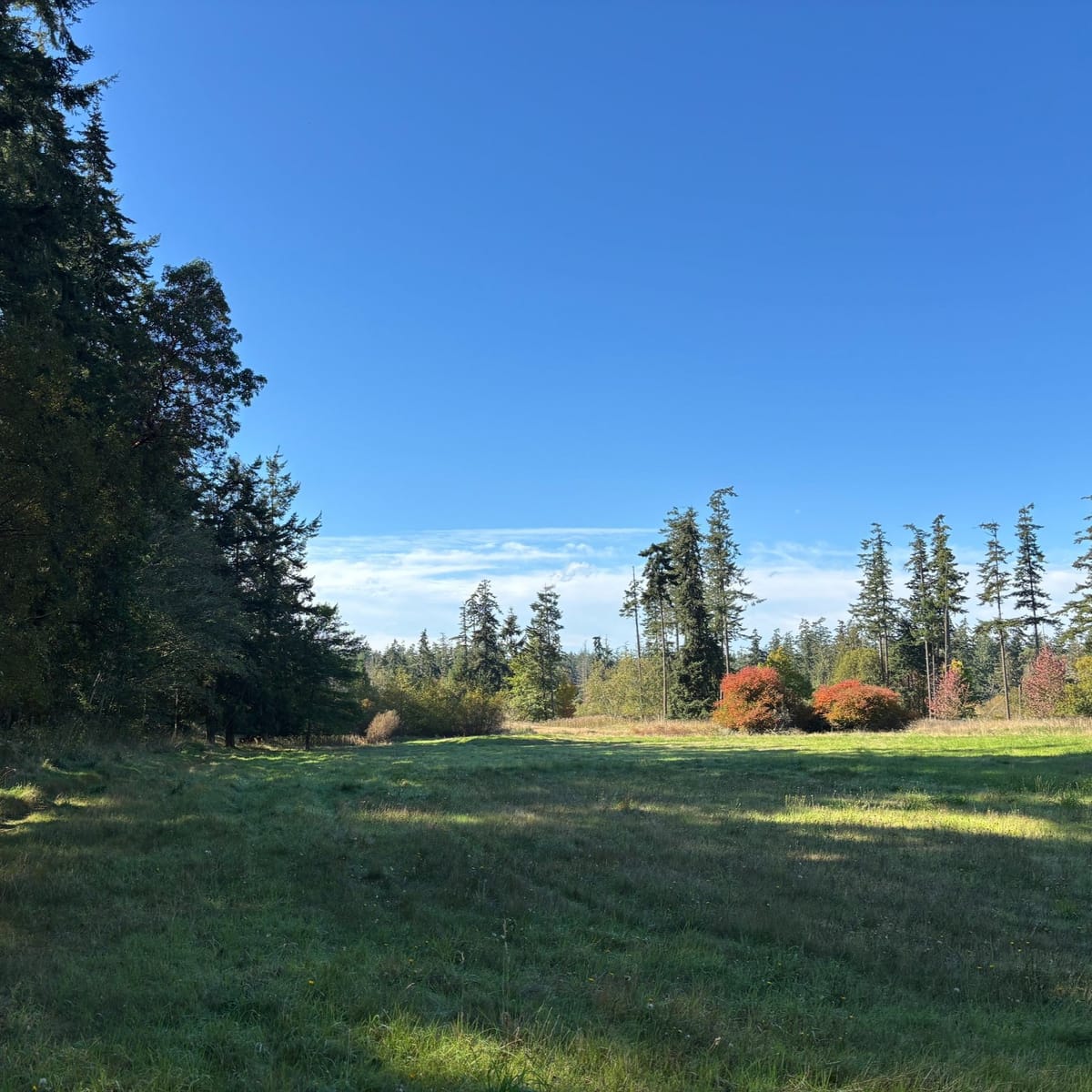
[caption id align="alignnone" width="5712"]
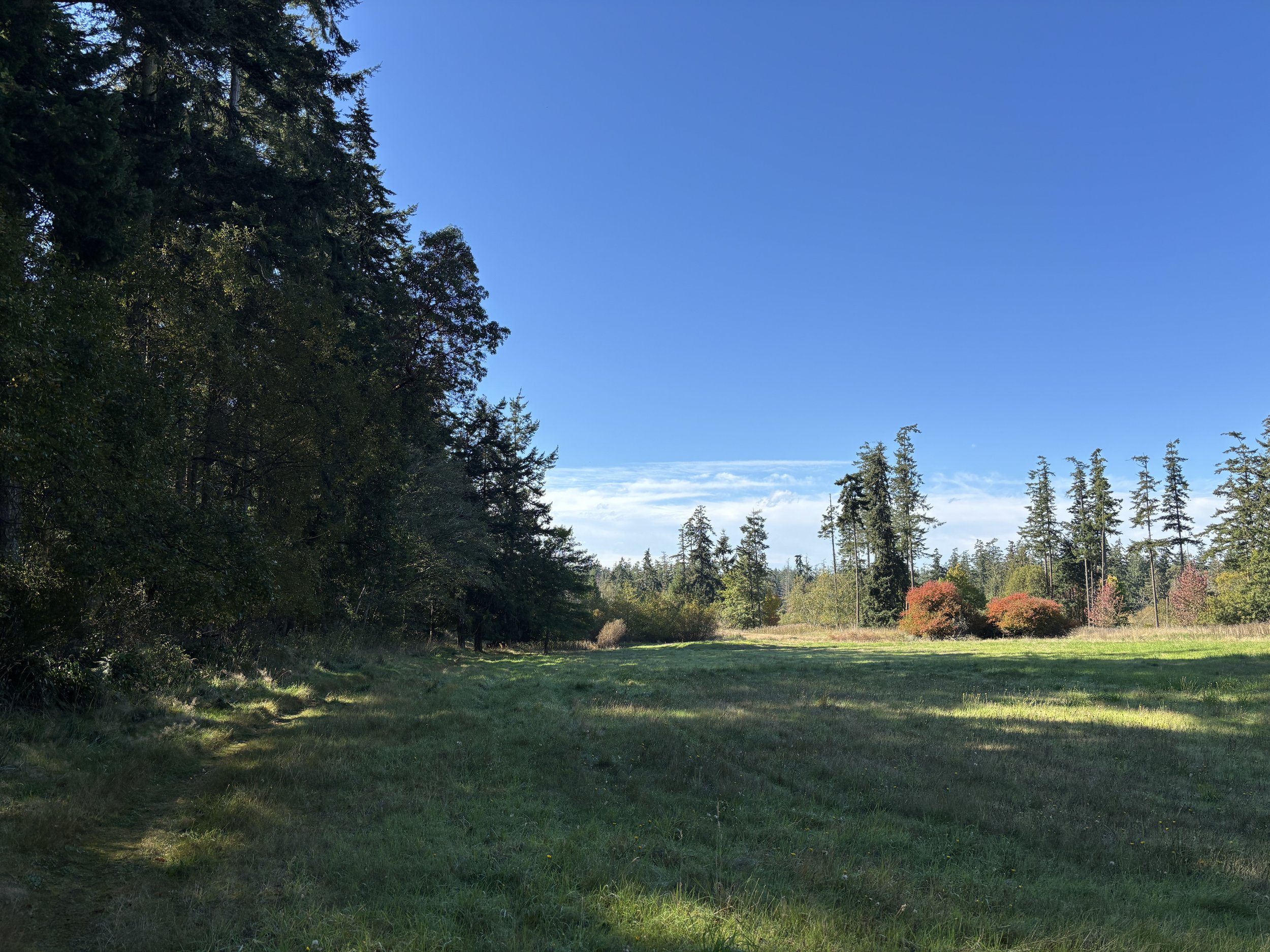
Photo of the proposed green burial site by Erik Kingfisher [/caption]
News by Angela Downs
The transformation of the old golf course on Marrowstone into a conservation burial site lies dead in the ground.
In an open letter to the Marrowstone Island Community Association, The Jefferson Land Trust wrote:
“We acknowledge the strong community engagement around the conservation burial strategy we proposed for the long-term care of, and access to, the old golf course property on Marrowstone Island. We’ve listened carefully to the perspectives shared by many community members, and understand that there are deep concerns that are unlikely to be resolved through further exploration and dialogue.
In response, we’ve decided to end our exploration of the viability of a conservation burial ground on the Marrowstone Island property, and the landowner will be exploring an alternative private sale of the property.”
Jefferson Land Trust began studying the feasibility of the property on Marrowstone Island as a possible site following the submission of a conditional use application permit; they presented a proposal to the community in late 2024, which met immediate and intense pushback.
The initial year-long research efforts were to begin after the support of their board of management, water specialists, habitat biology group, geohydrologist, and a Bremerton-based water quality firm confirmed findings.
The team was to conduct boundary surveys and ecological studies to determine safety and focus conservation efforts on supporting wildflower meadows for the local pollinators through prairie restoration and the gentle expansion of the remaining old-growth forest, with guidance from the Conservation Burial Alliance and the Green Burial Council, as well as input from conservation burial grounds around the nation.
James Wright, a Marrowstone property owner and vocal opponent to the proposed use said, “We are not against the concept of conservation burials, this in our opinion, was just not the right place for it. We are grateful to the Land Trust for realizing this and responding to the community’s pushback.”
In view of the community’s overwhelming opposition, “It was a misstep from the Land Trust to not engage the residents before filing for the permissional use permit and only reaching out to thirteen neighbors,” Wright said.
Marrowstone Islanders are interested in keeping the property public. They are discussing the island-wide responsibility and potential of a community group buying the land with the guidance of The Marrowstone Island Foundation (MIF), a nonprofit organization formed in 2000.
With the conservation burial shut down by the locals and six years of searching for sustainable options, the property owner, Annie Mize, is ready to sell. The islanders hope there is time to organize and develop a purchase plan, but there is no guarantee they can come together before a private owner buys. However, the property will likely be hard to sell with the conservation easement, and they hope this will allow for more time.
Ending the letter, Jefferson Land Trust wrote, “As the owners of a conservation easement that protects the natural and open space values on the property, we will continue to work in good faith with whoever owns the land in the future, with the best ecological interests of the land and its wildlife in mind.”
Pressures for ownership and use of this thirty-six-acre property are mounting, as change can be swift and filled with many unknowns. The risk of a private owner ending recreational use to the public is considerable, but the local community rallying to share responsibility for open space is hopeful.