Local activists argue against incoming Dollar Tree

News by Derek Firenze
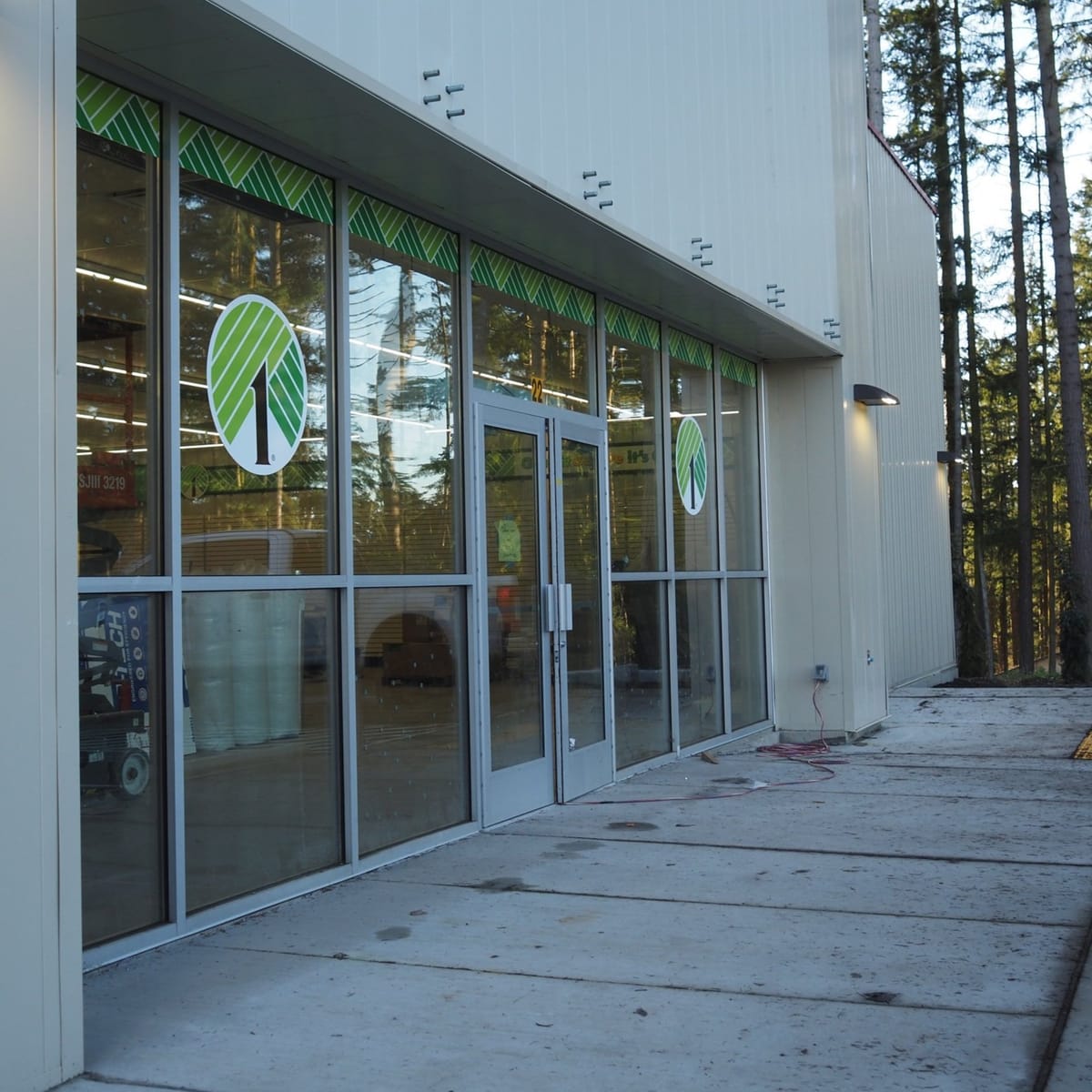
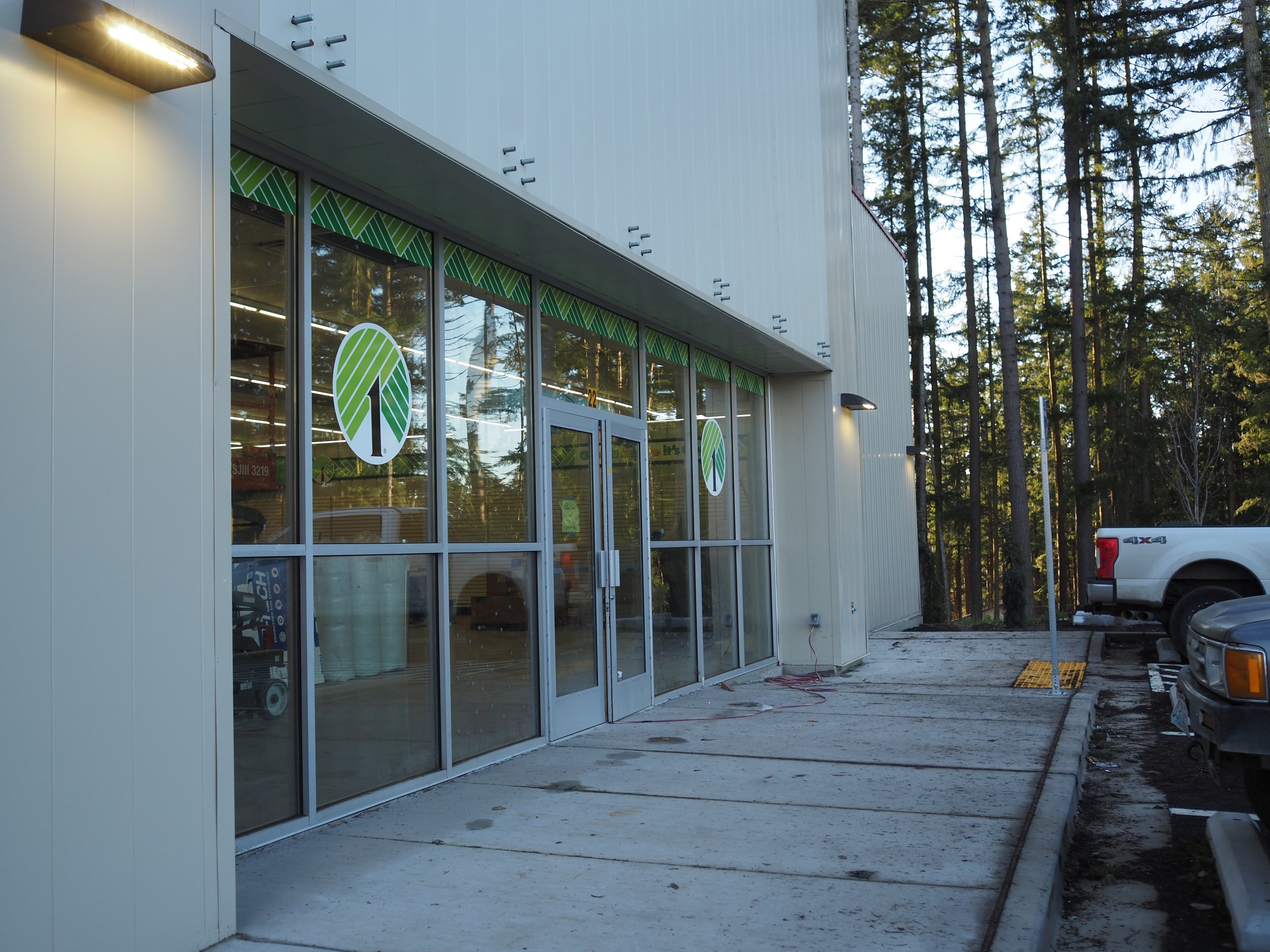
Flyers and zines proliferate around Jefferson County with a warning of “Dollar Store Danger.” Quimper Resiliency Network (QRN), an activist organization publishing the materials, was founded in response to construction on the future Dollar Tree located in Port Hadlock.
Construction on the Dollar Tree is slated to be completed sometime in the middle of February, according to Josh Gass, the general contractor working on the project.
“That is not the solution for what any community really needs,” Hannah Welch, one of QRN’s founding members, said. “There was a dollar store in town when I was a kid and it didn’t last, so I’m hopeful maybe this one won’t last. But in the current state, it doesn’t feel like enough just to have hope.”
The zine published by QRN takes aim at various issues surrounding dollar stores including lead poisoning, resource extraction, low wages, and more. Much of its facts and statistics come from a report from 2022 by the Institute for Local Self-Reliance (ILSR) entitled “The Dollar Store Invasion”.
“These stores aren’t merely a byproduct of economic distress; they are a cause of it,” the report argues. “Dollar stores drive grocery stores and other retailers out of business, leave more people without access to fresh food, extract wealth from local economies, sow crime and violence, and further erode the prospects of the communities they target.”
One of the core arguments against dollar stores is the extraction of resources from local communities.
“A dollar store contributes only half to a third of the economic contributions of a local business,” QRN writes. They cite how studies consistently show that for every dollar spent at a local business, 45 to 60 cents remains in the community, while chain stores contribute only 14 to 30 cents.
“Dollar stores have made their name by offering cheap food, and that’s what they do: provide low-quality goods at the expense of our community,” QRN writes in their zine. They also point to illegal levels of lead and cadmium in children’s products found in 2018, 2019, and 2021.
While the myriad of other economic factors involved are complex and take up the bulk of the 30-page ILSR report, issues like lead poisoning are much less difficult to parse. Scroll to the bottom of Dollar Tree’s website and you’ll find a page listing recent recalls which includes a 2023 recall of an apple cinnamon puree targeted towards infants and young children. This toxic product was recalled after four children were found with elevated blood lead levels, indicating potential acute lead toxicity. The only physical storefront where the contaminated product could be found was Dollar Tree, though it was also sold through Amazon and other online discount sites.
Still, everyone agrees on the desperate demand for more local affordable goods.
“There is a specific need in this place to have access to affordable products,” Welch said. “Letting these corporate powers that have no accountability to the community be the ones to provide that is not the way to move forward.”
Instead, QRN wants to encourage more creative solutions like a pop-up free store and an online community resource inventory to educate people on the abundance that’s already available locally.
“This place that I love and care about so deeply is on the precipice of change, and it’s either going to become a little more radical and start creating systems that are of the people, for the people, or it's going to be subsumed into these structures that are failing,” Welch said.
The Quimper Peninsula has a long history of creative solutions outside of traditional capitalist enterprises. For years, the North Olympic Exchange, a chapter of Bellingham-based Fourth Corner Exchange, has offered a barter and trade system utilizing the concept of “life dollars.” Life dollars can be thought of as a kind of “community currency,” a facilitated barter system that serves to complement the federal monetary system. The goal of the exchange is to connect unused resources with unmet needs, helping to build a stronger and more sustainable community.
The Jefferson Community Foundation’s Nonprofit Directory is another kind of online resource inventory that provides a comprehensive list of the nonprofit organizations in Jefferson County.
If you’d like to voice your own concerns about the incoming Dollar Tree, QRN has created a survey to hear from the community. You can also contact them through QuimperResiliencyNetwork@gmail.com.
For more information on the North Olympic Exchange, email Gary@fourthcornerexchange.org for a personal orientation session.