Creating Safe and Affordable Housing Solutions for Our Elderly Community While Increasing Housing Stock for the Next Generation

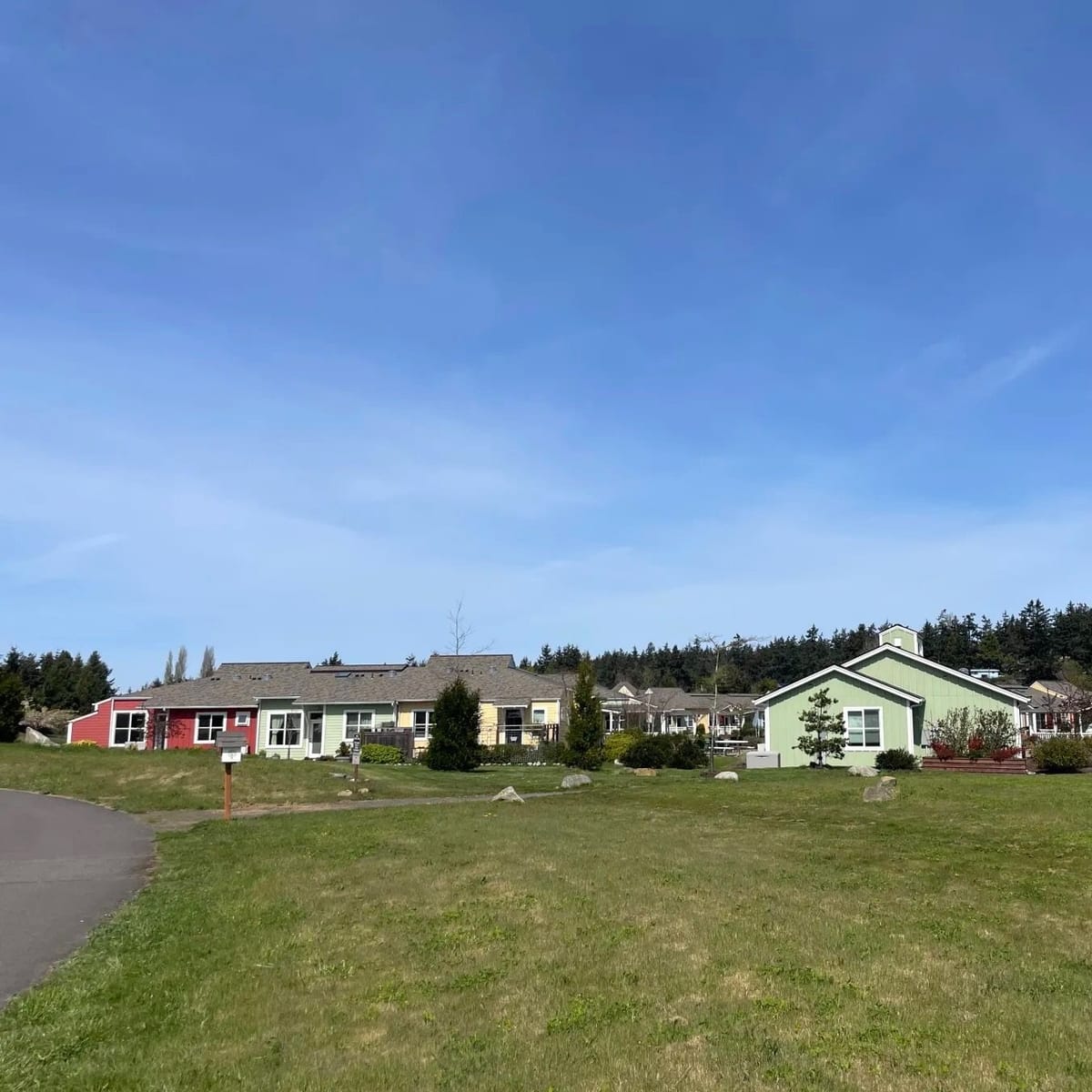
[caption id align="alignnone" width="1802"]
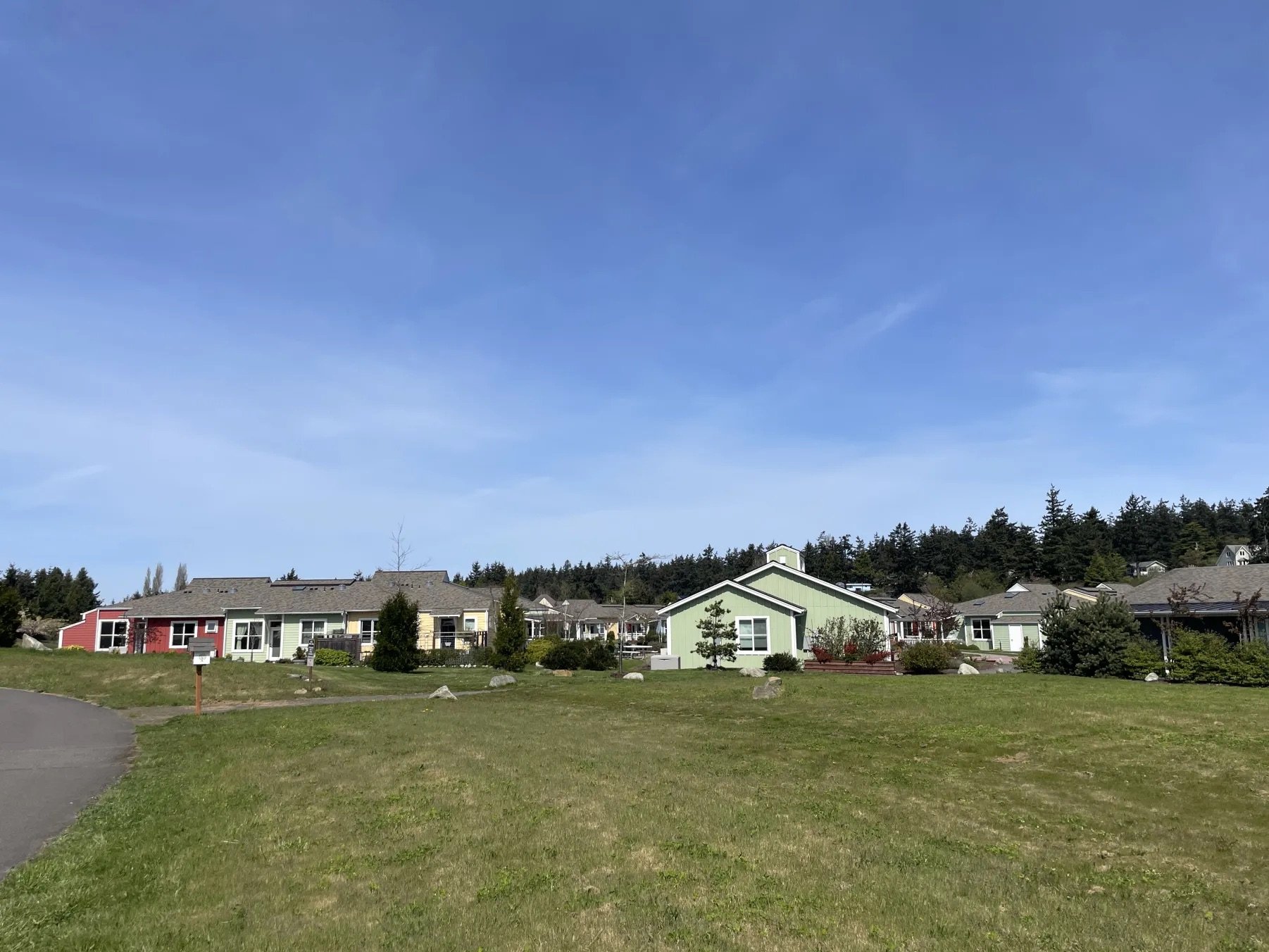
Quimper Village is an example of housing that encourages elderly homeowners to downsize to a home that’s easy to maintain, freeing up bigger homes for famlies and other people willing to invest sweat equity. Photo by Angela Downs. [/caption]
News by Angela Downs
Full of knowledge and stories, the elderly are one of the most undervalued assets to communities and families. Unfortunately, many of the elders in our community are isolated and overwhelmed within houses that are too big and dangerous to care for.
Traditionally, each generation passes their home to the next. But Port Townsend is stuck in housing quicksand without suitable single-occupancy cottages or studios that can house elderly people who are ready to downsize.
This is a huge problem in Port Townsend, where the median age is 59, and 41% of citizens are 60-80 years old.
Another factor is that Disabilities are more common among adults 65 years of age and older. Many older people who are no longer safe in their homes do not have somewhere to move to, especially facilities that can support their needs for safety, ease, and quality of life.
“There's a lot of folks in housing that is run down right now, and they, either physically or economically, are unable to take care of the property. The problem is they have nowhere to go. So when you have a deficiency of housing, they can't sell their property, which might be worth quite a bit, and move into a new unit and make that property available to somebody, a family, or somebody that can do sweat equity to bring a house up to speed,” Steve King, Director of Public Works said.
According to King, we need long-term permanent, supportive housing and permanent affordable housing. Developers and builders need to include long-term operations and maintenance in their business model to make sure those housing units last for many years.
“You can age in place if you get the assistance to build something on your property or remodel something that already exists. But for people that don't have that capability, having a unit somewhere else in their own community that they can move to is important as well,” King said. With the failure of the nuclear family glaring down the housing market, multigenerational communities are regarded as the most resilient among us.
This is where the city plans to do something meaningful to help. Cities are designed to support people living close together through public health and safety, parks, libraries, sewer pipes, and all the roads and sidewalks that connect everything. “Where we do best is infrastructure,” Director of Planning and City Development Emma Bolin said.
The city has raw land and undeveloped zones designated for mixed-use centers, which are nodes of higher-density development and retail. These nodes are intended to bring commerce and residents closer, reduce emissions, increase the economy, and provide housing. Essentially, they are tightening the weave of infrastructure with districts that function like Uptown and Downtown.
Through writing policy, the city can prioritize node development to keep elders living in our community in houses designed for their safety and quality of life. However, the community has to communicate this idea as a value to the city by attending meetings, writing, emailing or calling, and starting conversations with neighbors.
“There’s a neat system when you have houses that get to a point where they can be affordable for somebody to buy, and literally put sweat equity into; then they have an asset. So this whole ability for the housing market to churn and for people to move is broken,” King said. A major part of the puzzle is housing resources for the elderly near businesses; another is creating housing affordable enough for local farmers and shipwrights to be able to purchase a home.