Op-Ed: Free Reporting Means Fearless Observation

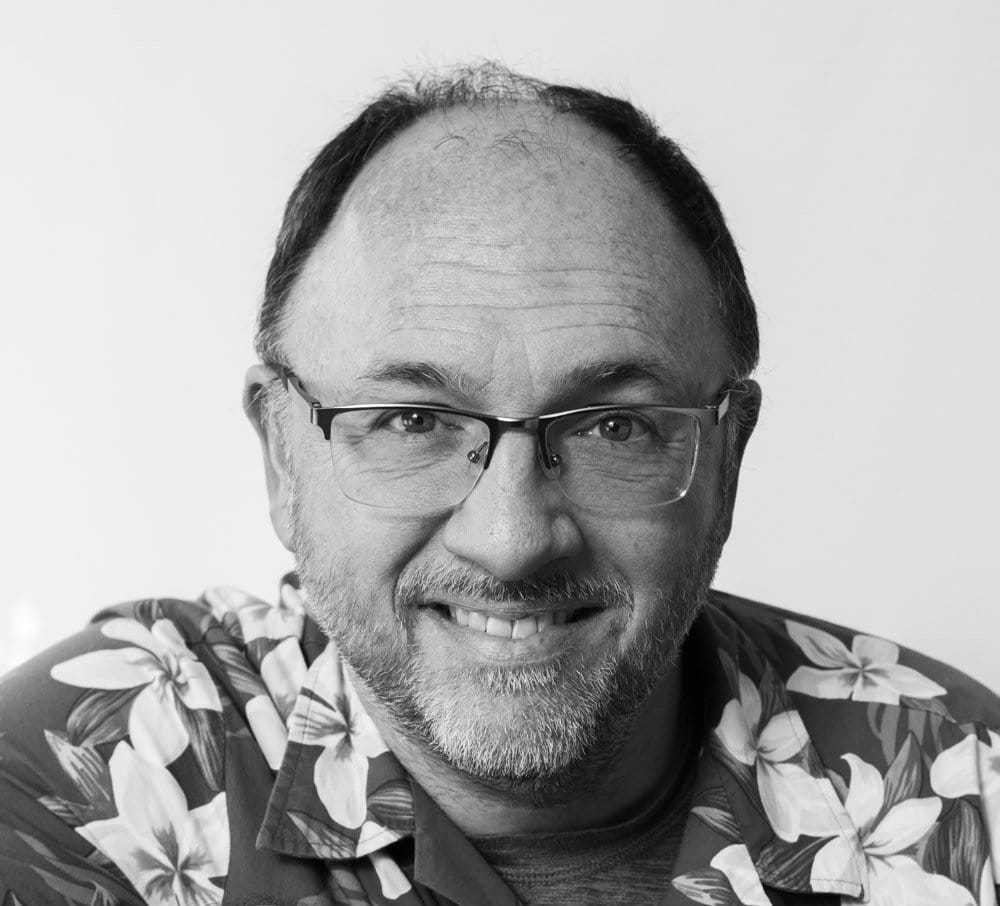
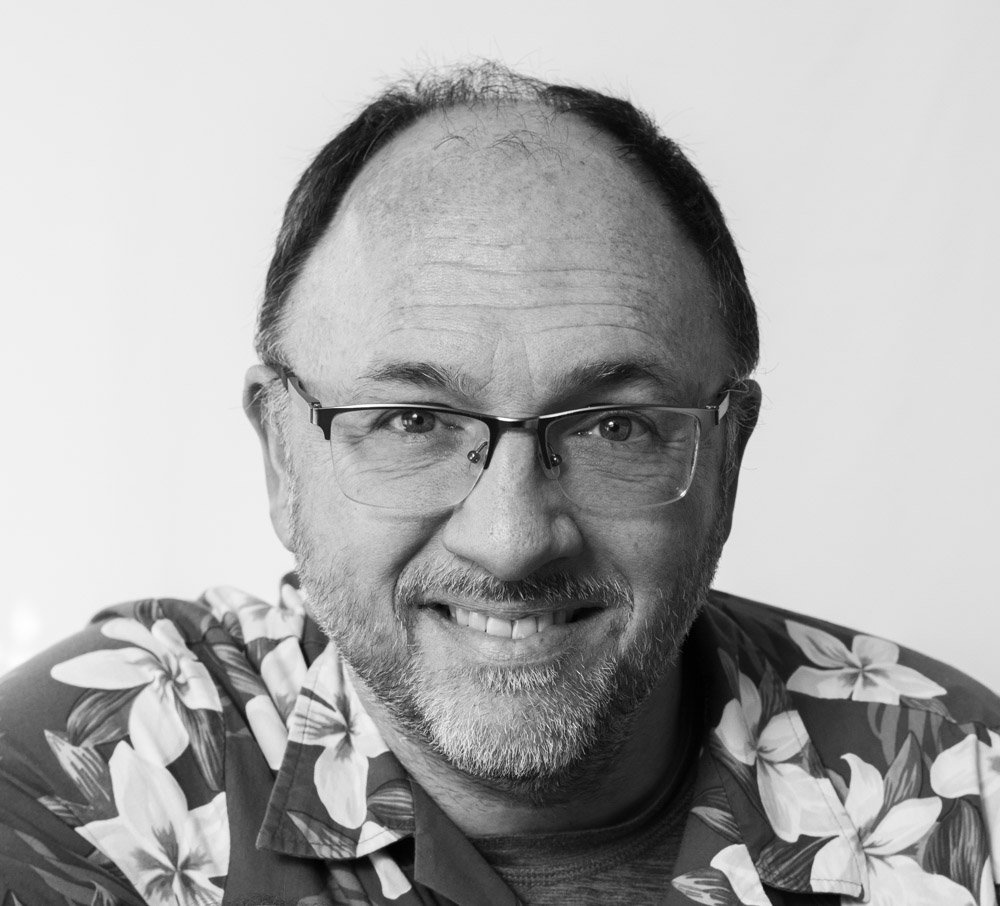
Opinion by Ross Pruden
In college, I was a journalist for my school newspaper. Our student body hosted a Valentine’s Day party with an open bar, and there were no legal restrictions as there are now—18 year olds could drink legally. And they did. Quite a bit. By the end of the evening, there were reports of alcohol poisoning and one person’s heart actually stopped. They survived, but the dilemma in our journalism class that week was painfully clear. A student next to me said, “Should we even report on this? This is newsworthy, but... it could end up shuttering the school.”
Let me tell you a true story from David Halberstam’s epic testament to journalism, The Powers That Be. A reporter from The New York Times interviews the leader of a foreign nation. During that interview, the leader says outrageous things, even going as far as to say that it was “good for our country to go to war every once in a while.” Had that statement come out of anyone’s mouth, it would be preposterous, but from a major world leader? It was chilling.
“As a direct consequence of not reporting on a world leader’s aggressive ambitions, nobody could really know what the Kaiser had been thinking. Six years later, the Great War would take the lives of 40 million people.”
The journalist was so shocked that he genuinely didn't know what to do. If he wrote the story, it could start a war. He wanted to ask his editor’s advice but knew the story was too sensitive to travel over the airwaves. Instead, he travelled back home to hand deliver the interview… surely the longest return trip of his life.
In New York, his editor was equally stumped—he also thought the story might start a war and didn’t want blood on his hands. Still… they couldn’t ignore it. They arranged to meet the President to ask his advice, and even the President agreed. “Surely he didn’t mean it. It was all just talk. My recommendation is not to print it.” So they buried the story.
The year was 1908 and the leader The New York Times had interviewed was Kaiser Wilhelm II.
As a direct consequence of not reporting on a world leader’s aggressive ambitions, nobody could really know what the Kaiser had been thinking. Six years later, the Great War would take the lives of 40 million people.
The choice to report the truth of the world is like holding up a mirror—sometimes you see things that are really ugly and may have profound consequences to bring everyone’s attention to it, even starting wars. But if the choice is to not show something because it will have profound consequences now, then imagine how much worse the consequences would be if you didn’t report on it?
My journalism professor knew this lesson all too well. “Should we even report on this?” the student next to me had said.
“Okay, let’s say you don’t report on this event,” the professor replied. “What happens at the next party when they still have an open bar and someone does die. Whose fault will it be then?”
We ran that piece in our college newspaper. A lot of people were angry with us. But there were no more open bars, and nobody’s heart ever stopped as a result of free beer.
Ross Pruden is the Jefferson County Beacon Board Administrator and a Port Townsend-based fine art landscape photographer. He’s also heavily involved with filmmaking; his film-related credits include NYU film school, London Academy of Music and Dramatic Art, SAG member, Assistant Director, Screenwriter, and Script Supervisor.