OP-ED: Port Hadlock to Philadelphia for the Vote
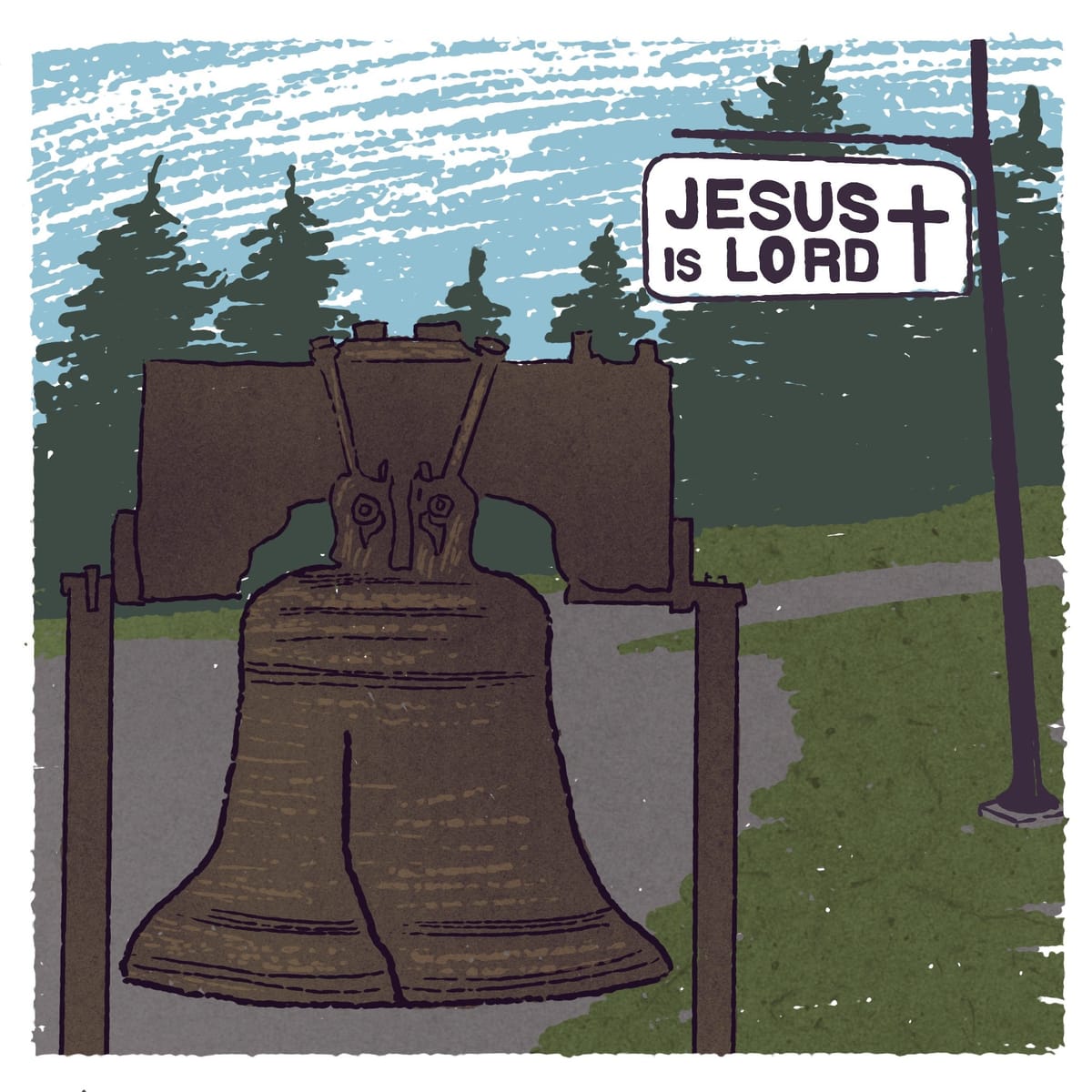
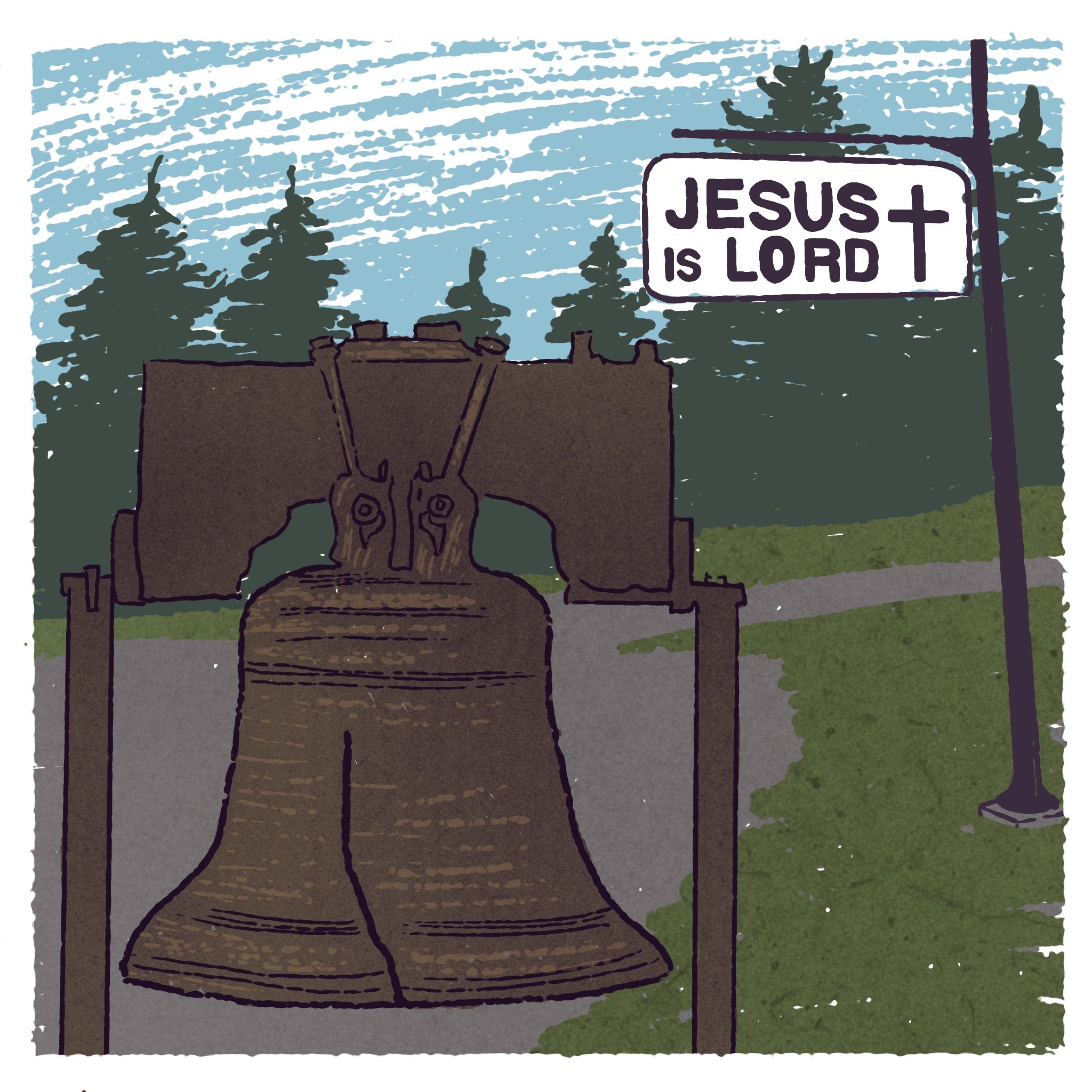
Illustration by Nhatt Nichols [/caption]
By Danielle Fodor, an artist and educator living in Irondale.
In September, I spent 7 days in Philadelphia, knocking on doors of swing voters for the Harris/Walz ticket. I returned home to Irondale for work, but realized I could do more. I left again as soon as I could, this time to Racine, Wisconsin.
I’m writing this editorial to encourage you to do the same — to take an uncomfortable and unfamiliar action to reach out across divides. Not only because our democracy depends on it (although I believe it does), but also because it offers a profound experience of connection and solidarity, an unusual form of mutual aid that helps us rebuild faith in each other. If you feel despair when you think about the upcoming election, connecting person to person is how we save each other.
When I knock on doors and listen to the people I meet, I know that my community of friends and family in Jefferson County are not struggling alone. From Philadelphia to Irondale to Racine, our stories echo each other’s – difficulties with housing, underpaid labor, disability, child and elder care, food costs, debt, inadequate schools, and addiction. What does it mean to be a member of multi-racial working-class America? While the details vary from place to place and the burdens fall more heavily on some shoulders, we are not as different as we have been led to believe.
I’m an unlikely poster child for door-knocking. I suffer from social anxiety. I can avoid calling someone for months because I feel a vague but persistent unease. As a volunteer canvasser, I have to fight my internal desire to abandon the task each morning.
I am not a Democrat. I’m cynical about both major parties and the role of money in politics. But I am terrified of the far right, of the political violence unleashed on January 6, and of Trump’s plans to destroy programs like Medicaid that keep people I love housed and healthy. Solidarity right now means being brave enough to speak up, reach out, and bring others along – without judgment, but from a place of love and acknowledgment of our shared humanity.
There is no shortcut to justice, no shortcut to peace, affordable housing, living wages, or healthcare. Real change will require more than voting, and come through grassroots struggle, in which people hold governments and bosses responsible for their actions. We must continue to push for what we need, while simultaneously filling in the gaps with hands-on mutual aid and cooperation.
Which leads me to wonder – how can the work we do during election season be woven into our lives, building the skills and networks we will use to create the more just future that we long for? How can it not be a distraction from our work on the ground?
The nonprofit Seed the Vote aims to do that by mobilizing volunteers like me to work with grassroots community-based organizations in swing states. I heard about Seed the Vote from a college friend who works on the front lines of progressive policy. For the past two decades, while I was raising my son and working as a teaching artist, my friend Navina has been knocking doors, organizing a nationwide coalition on food justice, and occasionally getting arrested at sit-ins. She’s a powerhouse for justice, and I figured she’d know where to send me. We traded texts, and she recommended Seed the Vote. I put dates on my calendar, went to an online training, and scheduled a phone call with someone from Seed the Vote’s financial aid department. Next thing I knew, I was on a flight to Philadelphia, wondering what I’d gotten into.
Seed the Vote’s goal is simple: block the right and build the left. They work to build the long term power of multiracial and working-class communities by making it easy for grassroots organizations to absorb thousands of short-term volunteers to have face-to-face conversations at election time. They recruit and train volunteers, fundraise for travel, and provide support staff to their partners on the ground.
Seed the Vote placed me with UNITE HERE, a union of hotel, airport, casino, and culinary workers in Philadelphia. For hotel workers, Donald Trump is a billionaire boss whose fortune rests on their underpaid labor. Watching the UNITE HERE crew is something to behold. Hundreds of working-class people from around the country walk door-to-door, advocating for pro-labor candidates, building leadership skills amongst their membership, and offering every person we talk to the opportunity to participate in their union job training and placement program.
I listen to voters who are struggling with inflation and rising food costs. I knock on doors where no one answers because they have been evicted. I listen to men who want to vote, but cannot because they have a felony on their records. I listen to a voter who hasn’t voted in 12 years. He tells me crime in his neighborhood would disappear if people had enough food, a running car, and a secure place to live. I listen to a voter who tells me Kamala Harris is a liar, a cheat, and bought out by the Russians. Many people close the door in my face, but I learn to carry on.
We bemoan polarization as a country – but what are we doing about it? I realize as I do this work, how rare it is that I have a meaningful political conversation with someone I disagree with. How rare that we truly hear each other, that we stretch our muscles of compassion to reach this far. Each time I listen, I learn something. I share the stories of my community, of the people I love, and I hear a new story I will carry with me. Our country looks less red and blue, and more like an amalgam of people struggling to survive, to support the people they love, to make sense of an unjust world.
It goes both ways – while I believe in the work that I am doing, my conversations across the political divide make me question my assumptions, develop my own critiques of what the Democrats are offering, and remember – the solutions have to start with us, individuals and communities, on the ground, in our lived experience.
What gives me the greatest hope is meeting the people who come from around the country to do the same work. As the saying goes, “Action is the antidote to despair,” but I would add – solidarity is the solution to our isolation. Sharing the stories of my community, of my friends and family, and listening to stories in Philadelphia and Wisconsin have made me feel so much less alone. As us volunteers come together to do this work, to learn from each other and see ourselves as part of a larger movement, it feels more like a beginning than an ending. I have faith that we will continue to work towards justice, whatever may happen in November.
If you fear what might happen after this election, now is the moment to do something about it. Reach out, listen, and share your story.
Seed the Vote is still placing volunteers from around the country in swing states to have conversations (by phone and in person). Travel assistance is available if needed.
Movement Voter Project supports grassroots organizations in swing states that work year-round to build progressive movements, hiring people to talk to their neighbors about issues that matter most to them.