Op-ed: Sustainable Food Systems Mean Not Putting All of Your (Quail) Eggs in One Basket

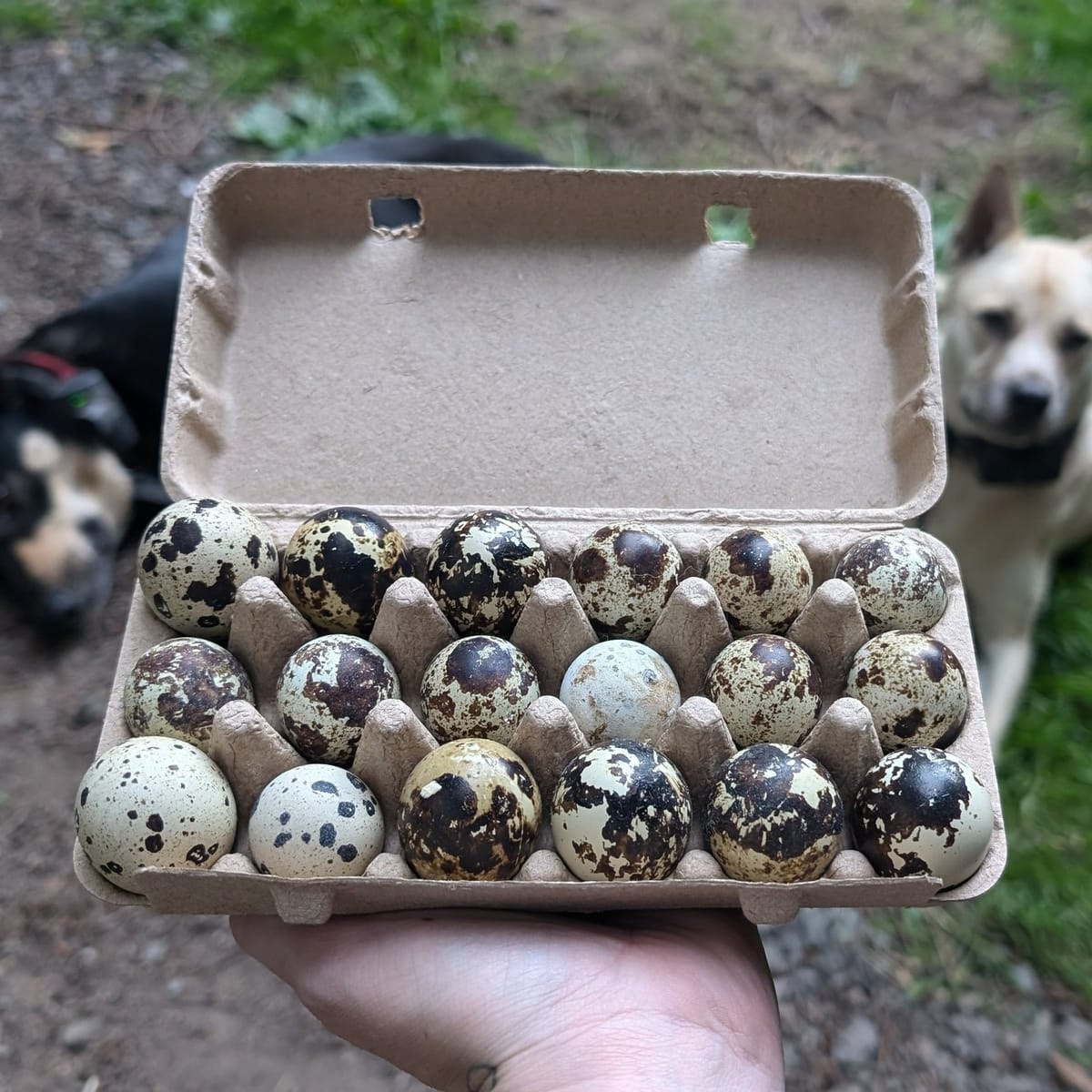
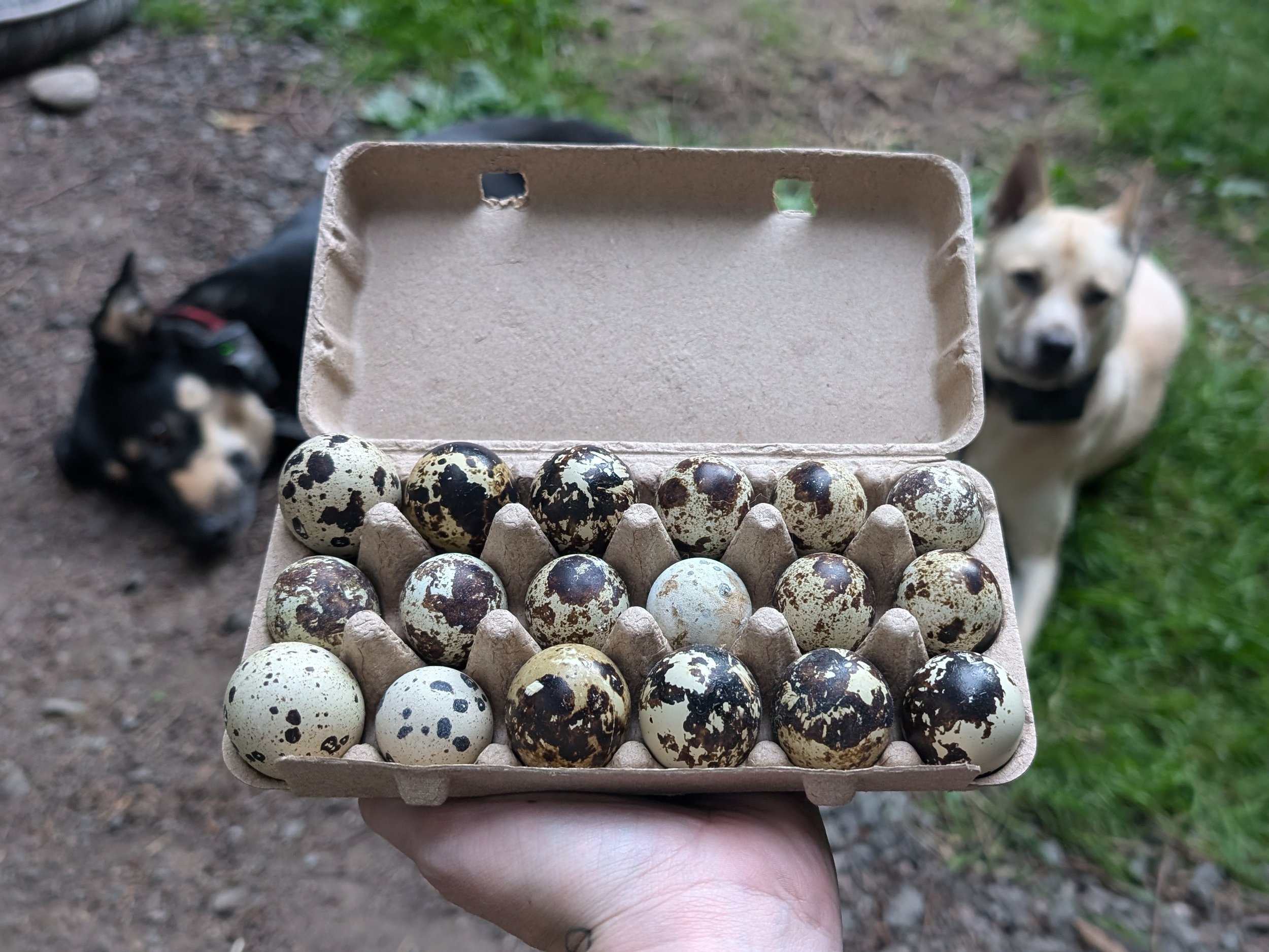
Photo by Erin Channis [/caption]
In the wake of the possibility of a QFC-Safeway merger, the Beacon asked Erin Channis, a board member and an expert in sustainable food systems, to write about the importance of local food.
I will preface, this is not meant to make anyone feel bad or guilty about their purchases or knowledge. I, too, live in this economy.
When I was approached to write this opinion piece, coincidentally, I was at the Independent Natural Food Retailers Association annual conference in St. Paul, Minnesota, largely being taught how to get the consumer (you) into the store and buy enough that we can compete with major corporations. Before I ramble on about the food system, capitalism in our diets, and the glory of the fertile valleys we inhabit, it’s important to acknowledge my bias lies heavily with small farmers, their ilk, and retailers working against corporations. After all, I work for a local grocery store, my friends are farmers, and on a small scale, so am I.
Wendell Berry’s revolutionary quote, “Eating is an agricultural act,” challenged our connection to our food and food systems. How does our consumption become an act of agriculture, and how can we change that act from complacent, uninformed, or arrogant into one of compassion and community?
Where does your food come from? 22% of ALL fresh water usage in the United States goes to food that is wasted--meaning not eaten, not fed to animals, and not composted back into the soil. That’s right, nearly a quarter of our water is spent growing food that will be incinerated and thrown into plastic bags in landfills. Of that fresh water, it takes 1,847 gallons on average to produce a single pound of beef (that’s enough to provide drinking water for a year for roughly 32 American adults.) And 20% of all greenhouse gas emissions that come from our food system are a result of “food miles,” how much of the world your food traverses before it gets to you.
Oof, huh? Right now, you might be thinking, “Well, that’s terrible, but I vote with my dollar, and I decide what I buy.” But the truth is, you really don’t. Aside from the fact that the majority of items in a conventional corporate grocery store are owned by the same half-dozen mega-corporations, there’s also a level of psychological trickery that you, the consumer, are so conditioned to that you don’t even see. Before I elaborate, I’m not talking about putting candy at the registers to get you to spend a little more; that’s too obvious.
Music in a corporate grocery store is selected for specific BPMs to keep you moving erratically and in cycles. The longer you spend in the store, the more you will buy, and no, dear reader, you are not an exception. The height, shape, and colors of products dictate where they find homes on shelves. Making certain things stand out, and certain things blend in means you spend longer standing in front of the shelves. Moving a product four feet to the left or right can quadruple sales. There is an entire practice of manipulating you in your environment to just put one extra item in your cart. Even the weather dictates what goes on special. After all, statistically, you’ll buy more carbs and soup when it’s raining. And we all fall for it because it operates on such a deep psychological level that we don’t even see it happening. That’s right, those of you who denigrate and dismiss social media, you have been--and continue to be every day--influenced.
I’m not just here to lecture you. This is supposed to be comforting and resourceful regarding food scarcity. We are fortunate! We live in an incredible area with dedicated, lovely farmers and ranchers. And before I go on, there is no shame is shopping at a chain grocer. We are all just surviving out here. We’ve got four independent grocery stores in the area: Aldrich’s, The Food Co-op, Chimacum Corner Farmstand, and now the return of the Nordland General Store. We also have two really incredible farmer’s markets that both take SNAP benefits and a great variety of things made here that most people don’t see in other areas of the country.
[caption id align="alignnone" width="2268"]
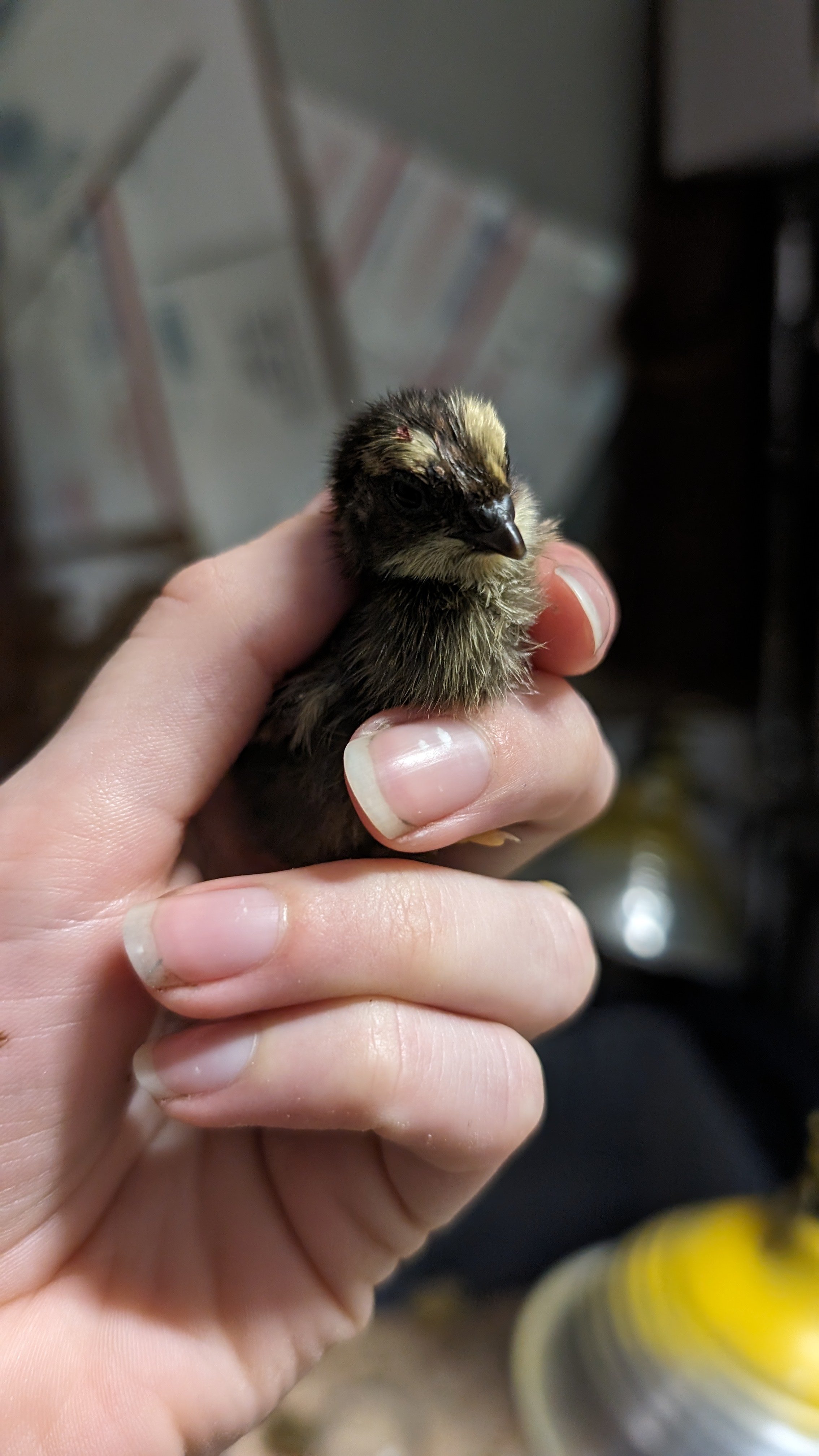
Photo by Erin Channis [/caption]
Take the Chimacum Valley Grainery. Oats, flour, quinoa, beer! All grown, harvested, processed and packaged right here! Or, jeez, any of the dozens of small farms with CSAs, market booths, and farmstands at their homes. Kodama Farm & Food Forest is an entirely regenerative farm that also makes goat milk soap and candles and is a North Olympic Salmon Coalition watershed restoration site. Nine Hills Farm offers highly customizable CSAs, an entire skincare line, soil supplements, and even worms (plus they just released a custom coffee blend with Sunrise Coffee, which is also all organic and fair trade, roasted on a low emissions roaster!)
Because this is a digital platform, I’m going to include a link to a map of Jefferson County food resources, and a local food finder. Double-check these before you show up at someone’s farmhouse, of course. We have a lot of options outside the conventional corporate store. And if you’re worrying about knowing how to prepare or enjoy some of the more uncommon goods found in CSAs or at markets, ask those farmers! Every single one I’ve talked to is passionate about food on a level most of us never reach. I couldn’t begin to speculate what to do with celeriac or rutabaga, but they will happily tell you anything and everything you want to know.
You can make a big difference with small changes. You can secure some peace of mind, new skills, and connection to your food by raising as much of it as you can. And fear not, I’ve lived in my car before, I live in a tiny space now, I know sometimes there’s just not room for a family cow. What you can do in many small spaces is herbs and culinary spices. A small window box can cut costs on your grocery bill. A plastic clamshell of cilantro not only pollutes our homes, oceans, and blood with forever chemicals, it also costs an average of $2.49 for a single serving of a herb that grows like an unruly weed in a window box with half a day of sun. Plus, after it flowers, you’ve got coriander seeds.
Taking a slightly bigger bite of control, grow your greens! I have something like 16 kale plants thriving in two cracked storage boxes, each not much bigger than a shoe box that I remember to water sometimes and have taken to just keeping an old glass cream jar full of water next to them because, really, if it’s not in front of me I will forget to do it. Not to mention, if it gets a little independent and tries to go to flower, you can lop the tops off, and you effectively have broccolini. Yes, kale, broccolini, broccoli, cauliflower, and brussel sprouts are all cultivated varieties of the same plant.
One step further, a little bigger bite, get your hands on some poultry. You can get 28 eggs a week from five quail in a space the size of a rabbit or guinea pig cage. Their eggs taste like chicken eggs, and they don’t make much noise, with roosters only making a chirping trill here and there instead of a chicken-like crow. I’m biased; I raise quail. If you want to know more, get in touch with me. I’ll tell you everything you want to know about the strange little birds.
Everything I say, I say with sensitivity towards the fact that just living right now is an expensive and exhausting practice. But the success of our community, our families, and our children depends on keeping local agriculture and the businesses surrounding it alive. If we do not have soil, we have nothing. If we do not have local farms, we have nothing. If we do not have clean water, we have nothing.
Further reading:
Farmacology, Total Health from the Ground Up by Daphne Miller, M.D.
Deep Water, the World in the Ocean by James Bradley.
If you want to talk food systems, scarcity, or birds, contact: toothandquail@gmail.com, or @toothandquail on Instagram.