Op-Ed: The Importance of Board Service

An opinion piece by Lisa Palermo
Dear Neighbors,
I'm so impressed by how many of you volunteer your time at our local nonprofits. When I hear you talk about what you're doing and how much you love helping, I frequently ask if you've considered joining the board of whatever nonprofit you volunteer with. It's surprising how often the person I'm speaking with looks at me quizzically and says they've never considered it.
Board service is a natural extension of anyone's commitment to a nonprofit. Every nonprofit has a board and, too often they struggle to get people to join. I've worked for several nonprofits and served on several boards of directors and I'm here to tell you it is incredibly rewarding and can also be fun.
But let's get back to that initial question. Have you ever considered being on a nonprofit board of directors? People tell me that they're not sure what that entails or whether they have any skills that would be helpful. If you volunteer for or donate to an organization that's particularly close to your heart, here are a few things to consider that might get you one step closer to saying Yes!
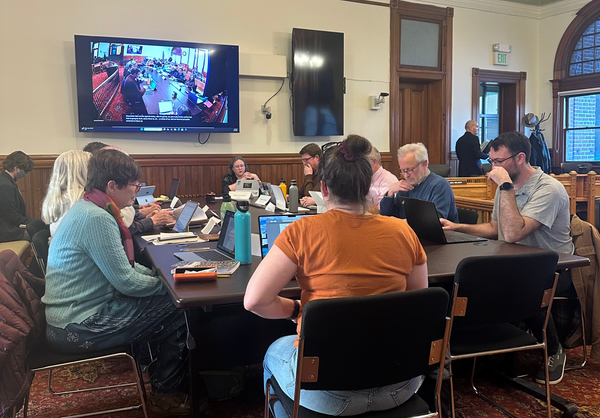
What does the board do? There are two kinds of nonprofit boards: working boards and governing boards. Generally, working boards exist when a nonprofit has little or no staff, and the activities of the organization are carried out by board members as part of the overall volunteer pool. When organizations get bigger, the board becomes a governing board focusing on the big picture, strategic management, and effective growth of the organization. In both situations, the board is responsible for the organization being financially sound and assuring that it adheres to its stated mission.
How do I know if I'd be a good fit? Hopefully, the nonprofit board you're interested in has identified the skills and attributes it needs to function well, and they know what they're currently missing. If you ask that question and they don't know, that's a signal that they could use some help with internal board structures. It's not a dealbreaker, just something to be aware of. When you're thinking of the skills or attributes you have to offer, don't just think about your professional expertise, also consider things like whether you're a good team player, have knowledge specific to the nonprofit's mission, or are a good meeting facilitator. So many factors influence effective boards, and chances are that you have something they’d find helpful.
One common question I encounter is whether board members need to be wealthy or willing to ask their friends for money. You don’t need to be rich or know wealthy individuals to be an effective board member. Simply being a passionate ambassador and spreading the word about the organization can make a significant impact.
Each organization has its own board requirements, but it's essential that board members contribute to fundraising in some capacity. You might work behind the scenes to set up the fundraiser, write donor thank you notes, introduce the staff to local sponsors or help proofread grant applications. All of this supports fundraising. Please ask about the specific needs of the organization so you can offer your time, talents, or resources in a way that is both helpful to them and comfortable for you.
Lastly, I'll ask you to consider this: if you believe in the mission and care about an organization, find out if its board of directors needs any help. Boards come in all shapes and sizes. There are highly effective boards and boards that struggle to get the job done. But when a board of directors has good people who understand their roles and know how to support the executive director, the organization will thrive. You can be one of those people! Working together with others who all care about the same thing you do is so rewarding.
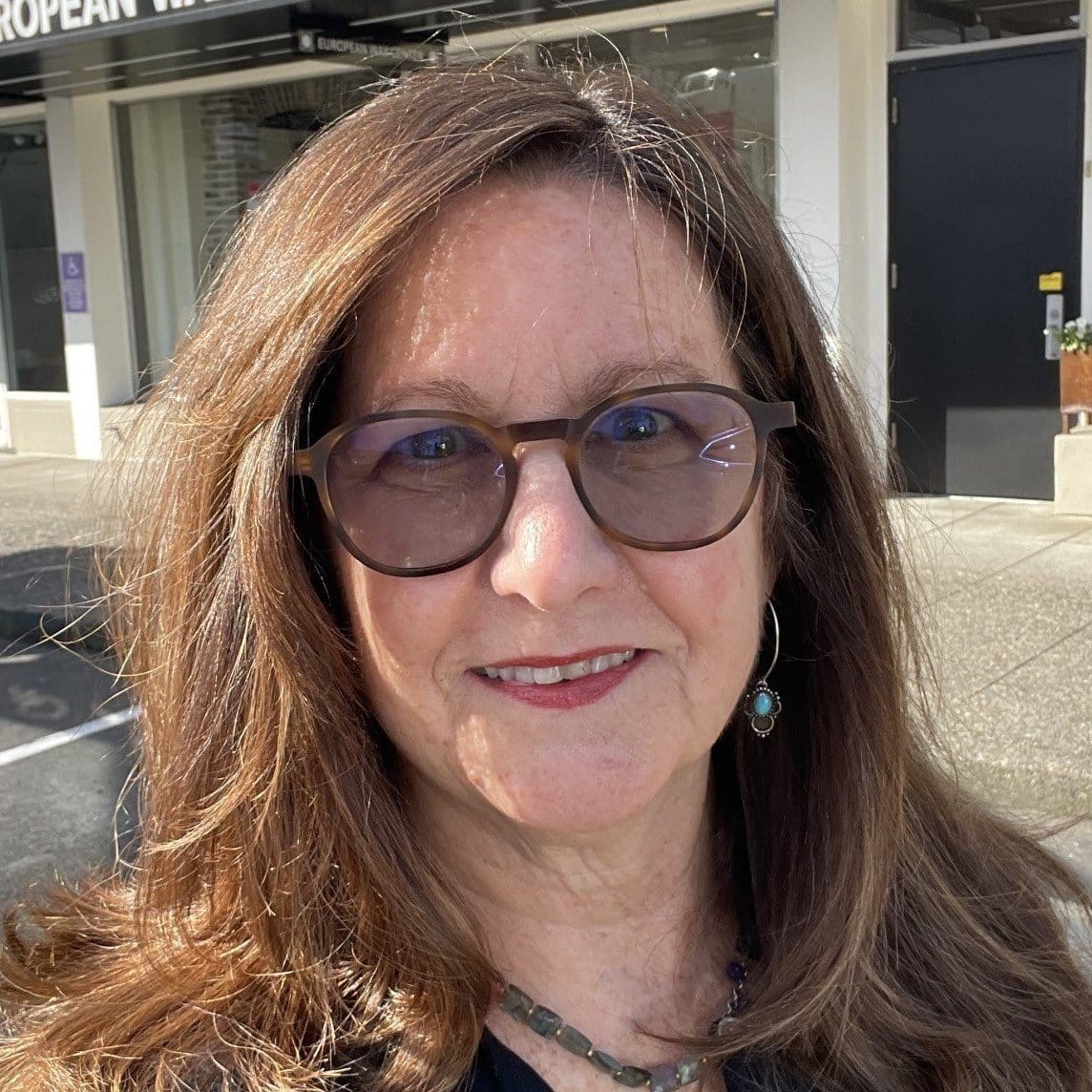
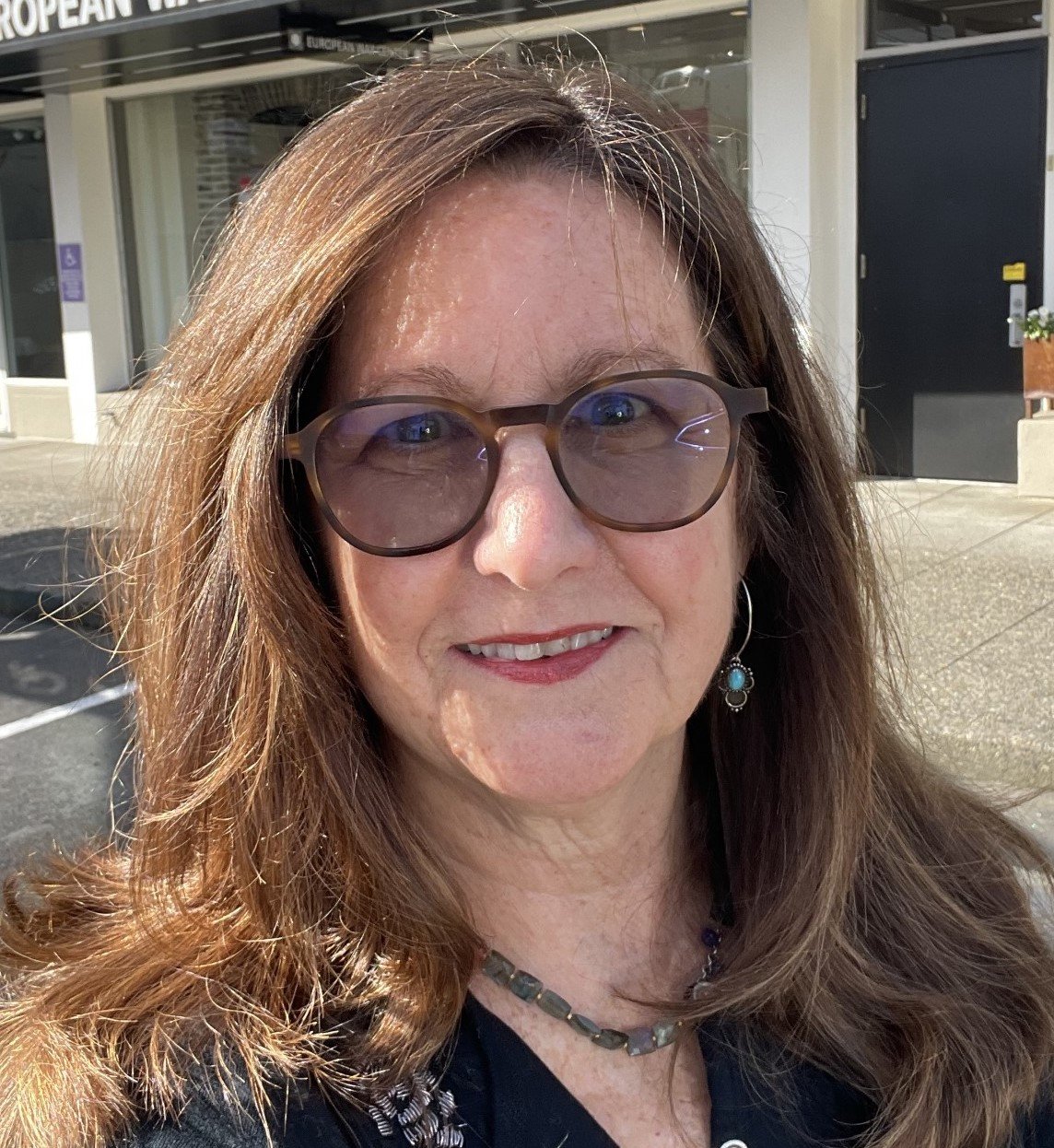
Lisa has witnessed the best and worst of nonprofits, experiencing those highs and lows from both seats, as an employee and as part of Board Leadership. Through this dual perspective she’s developed a passion for addressing three pain points in any nonprofit's success; Board Development, Fundraising, and Leadership Support, the latter being for both the Executive Director and the Board Chair. Lisa’s nonprofit experience spans environmental issues, supporting women and children, hospice, workforce development, and families without housing.
The first time Lisa and her wife visited Port Townsend, they knew this was the place they'd been looking for. And their three cats supported their decision.