Op-ed: Women, Men, Girls and Boys
Have you checked out the manosphere lately? I was curious if there is link between the manosphere and the national political environment and so took a look. Spoiler alert: it is complicated, and troubling.

Opinion by Steve Chappuis
Have you checked out the manosphere lately? I was curious if there is link
between the manosphere and the national political environment and so
took a look. Spoiler alert: it is complicated, and troubling.
The digital manosphere is vast: blogs, forums, videos, chats, zoom
meetings, websites, podcasts, apps, TED talks, social media posts, etc. For
a man who wants to be a better husband, father or partner he can find an
online support community of peers with similar interests. He can connect
with other men for guidance on physical and emotional well-being, life skills
coaching, career, and job advice and more. This promising part of the
“sphere” importantly doesn’t need to come at the expense of his spouse or
partner.
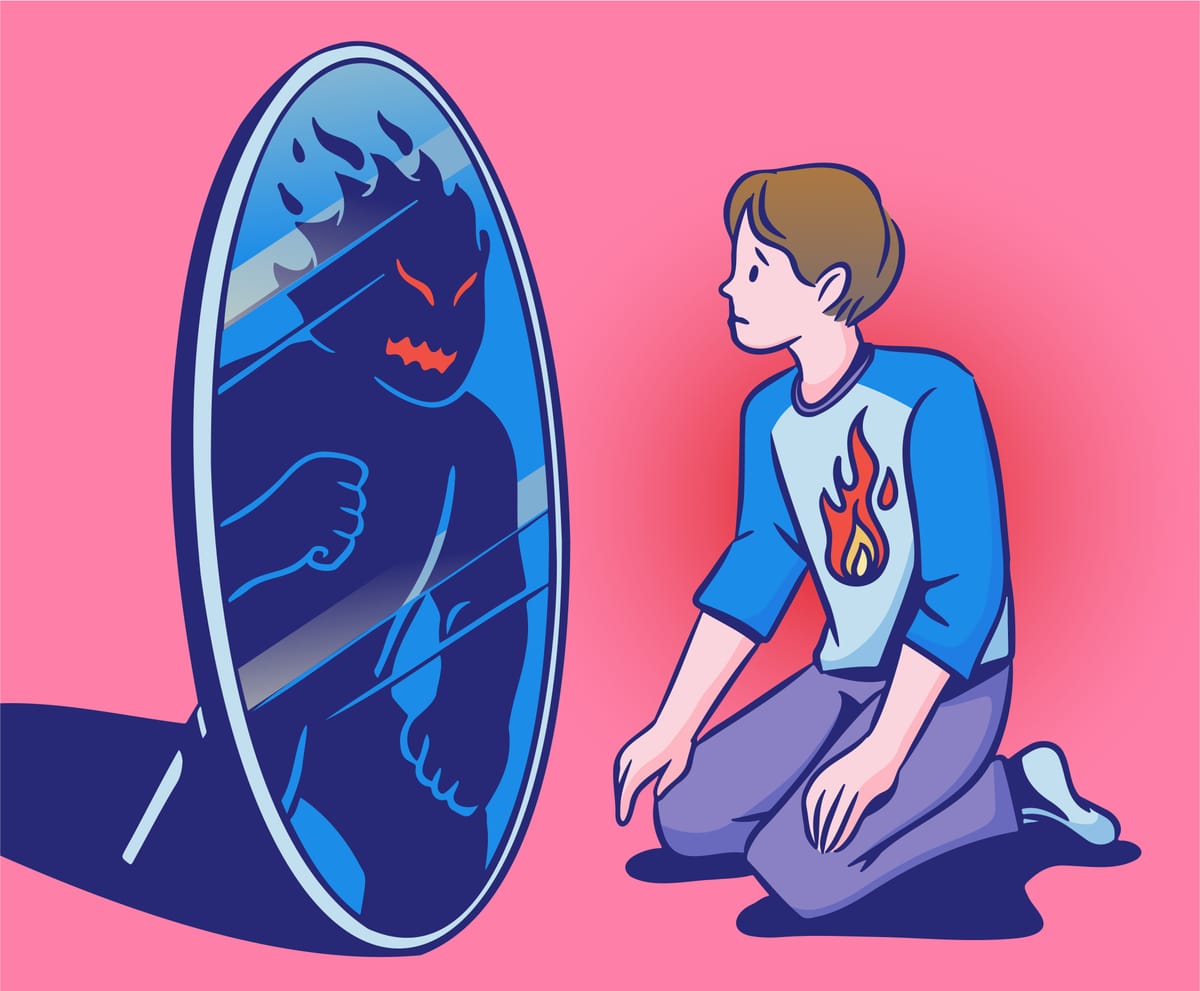
Here’s the troubling part: other manosphere resources steer visitors away
from support and into toxic masculinity. Here, alpha males teach that men’s
rights supersede those of women, and sexist ideas about conquest and
male supremacy are celebrated. These extremist offerings are developed
to draw in young men and boys. They are told that whatever personal,
employment or relationship failures they have can be traced to-- and
blamed on--the rise of women.
Some argue that the 2016 election unleashed built-up resentment among
male voters. They felt alienated in a world of social change, threatened by
a black president, feminism, the women’s movement, Me Too, BLM, DEI,
gender politics, affirmative action, and anything perceived as preferred
treatment to another group, as in, “she’s a DEI hire.” This backlash has
continued to grow, nurtured by vote-seeking candidates for political office
eager to take advantage of online victimization.
By hawking subscriptions, products, books and online courses “influencers”
(read: grifters, salesmen, hustlers) are cashing in on the grievances of
others and turning hyper-hate into big business. Visitor traffic is high;
principles like equality and consent are trashed. Some content providers
double as pornographers with live webcam shows, further glorifying the
subjugation of women. Others include antisemitic, homophobic and racist
rhetoric. Extreme posts with degrading and vile messaging have been
viewed over 100 million times. Recently a chat group with 70,000 members
was uncovered where viewers were coached on sexual assault and rape,
going well beyond using women as scapegoats for men’s problems.
The connection to American politics is clearly in view: the chants at right-
wing rallies of “your body, my choice” and “back to the kitchen;” James
Brown singing “It’s a Man’s World” as the president takes the stage;
endless name-calling and insulting women journalists and politicians;
voices in government calling for male-only voting; at the Defense
Department female commanders have been fired while service members
now must meet “the highest male standards,” and a study has been
undertaken to review the role of women in the military. These examples do
not even scratch the surface of what is on public display.
But in the end, the far greater concern is the link between toxic masculinity
and the safety of women and girls. Toxic masculinity drives threats and
violence against women and girls by providing rampant, unchallenged
access to abusive ideology.
Great Britain recently launched a comprehensive program to address the
violence against women and girls in what the government calls “a national
emergency.” Part of the intent is to disrupt the growth of and access to
harmful content for kids, and recognize that how boys are raised and
socialized requires a necessary cultural shift.
I don’t have answers for what can be done within our own community and
families. Perhaps we start by recognizing toxic masculinity when we see it,
call it out, and provide support for those who experience it. Many families
already put limits on home use internet, counter hateful voices their
children encounter, and model respect, for everyone. Staying informed
about it in the big picture seems like a small thing, but taking small steps in
our homes and community can help empower women, men, girls and boys.