Paper Mill Fined for Two Discharges Into Bay

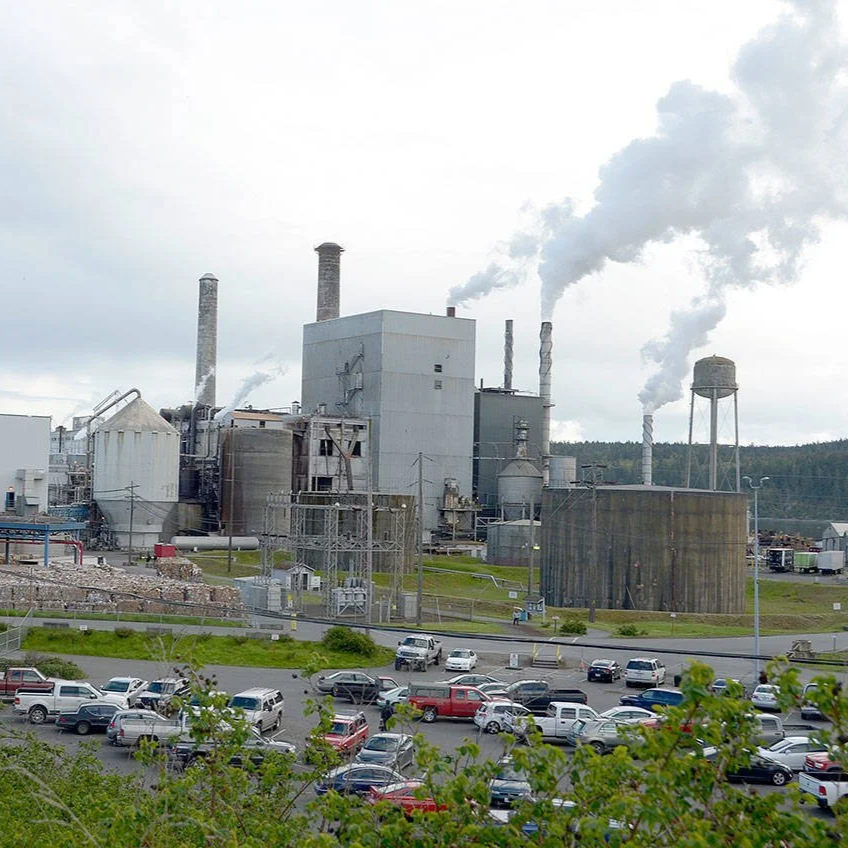
[caption id align="alignnone" width="1280"]
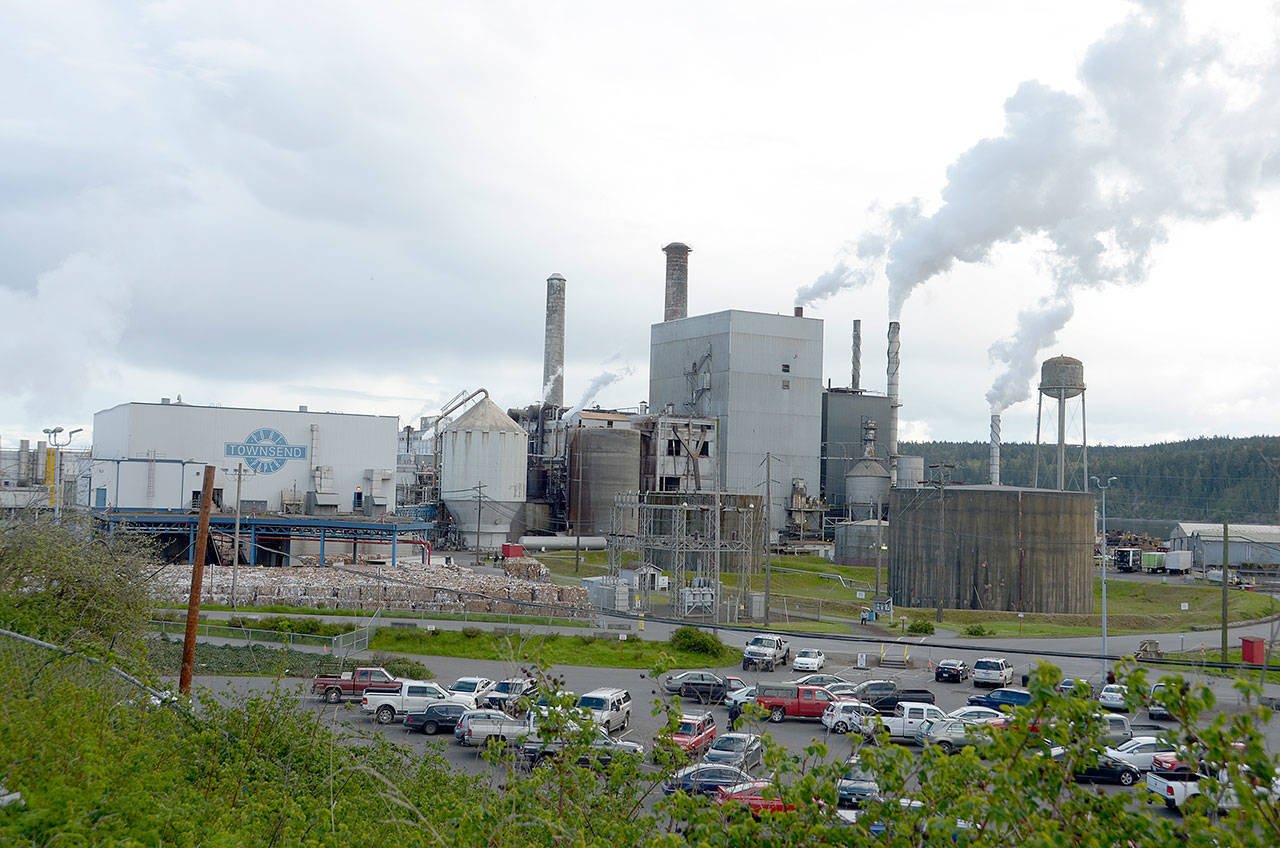
Photo by Nhatt Nichols [/caption]
News by Scott France
The Washington Department of Ecology has fined the Port Townsend Paper Company (PTPC) $20,000 for two separate spills of untreated and potentially harmful wastewater into Port Townsend Bay earlier this year. The violations are the latest in a series of infractions tied to the mill’s wastewater management practices.
According to state officials, the pulp and paper mill released approximately 1,000 gallons of condensed water from its steam system into the bay in early January, followed by a much larger discharge of approximately 114,000 gallons of untreated process wastewater in April. Both incidents violated the facility’s state-issued water quality permit, which requires wastewater to be treated before discharge into nearby waters.
“Unfortunately, because of the pipe leaks, both discharges were not treated and didn’t exit in the preapproved location.” Department of Ecology spokesperson Brittny Goodsell said.
Leaks Prompt Shutdowns, Repairs
“The good thing is that the company responded quickly once the leaks were detected,” Goodsell said, "On both occasions, they shut down equipment and made repairs to the pipes that caused the discharges."
Despite the swift responses, state regulators maintain that the spills represent clear violations of environmental law and underscore the importance of maintaining infrastructure to prevent such incidents.
Not the First Violation
This is not the first time PTPC has come under scrutiny for environmental infractions. In 2023, the Department of Ecology issued two penalties to the mill for similar water quality violations that occurred in 2022. One of those earlier incidents also involved untreated discharges into the bay, raising concerns about recurring problems in the mill’s wastewater handling systems.
PTPC operates a large industrial wastewater treatment plant as well as a smaller sanitary system to handle the significant volumes of water used in the production process. The mill, which employs around 300 people, produces approximately 1,000 tons of unbleached paper, containerboard, and pulp each day.
”PTPC’s permit lets them discharge treated wastewater to Port Townsend Bay from a single location at their facility,” Goodsell said. “This is where samples are collected to make sure the environment is protected. This spill, however, was not at the permitted location that gets sampled.”
Wastewater Risks to Port Townsend Bay
Port Townsend Bay is a vital part of the local marine ecosystem and a resource for recreational and commercial activities, including fishing and shellfish harvesting. Discharges of untreated wastewater pose significant risks to this delicate environment.
While the mill is allowed to discharge treated wastewater at a single, permitted location, complete with sampling protocols and monitoring to ensure safety, these two recent spills occurred outside of the permitted discharge point, according to Goodsell.
“There could be lots of different things in untreated wastewater,” Goodsell said. “ This type of wastewater always needs to be treated because it could include pulp fibers, solids, or other pollutants left over from the process.”
Environmental advocates have long expressed concerns about the mill’s emissions and wastewater management. While PTPC plays a significant economic role in the region, operating continuously for over 90 years, critics argue that tighter oversight is needed to balance industrial activity with environmental protection.
Next Steps for PTPC
Under Washington law, PTPC has 30 days to either pay the $20,000 fine or appeal the penalty to the Washington Pollution Control Hearings Board.
The Department of Ecology emphasized that financial penalties are not intended to punish businesses but to ensure compliance with environmental regulations and protect natural resources.
As regulatory scrutiny continues and public awareness grows, PTPC’s environmental practices are likely to remain under the spotlight. The outcome of any potential appeal and the company’s response to the latest violations will be watched closely by both regulators and the local community.
For now, Ecology says it will continue to monitor the facility’s operations and compliance with the terms of its wastewater discharge permit.
Corrections: We have updated the spelling of Goodsell’s name, and edited the quotes for acuracy at her request.