Parking Woes at Quimper Plaza: Owner Voices Concerns Over New Hotel Parking Impact

[caption id align="alignnone" width="4032"]
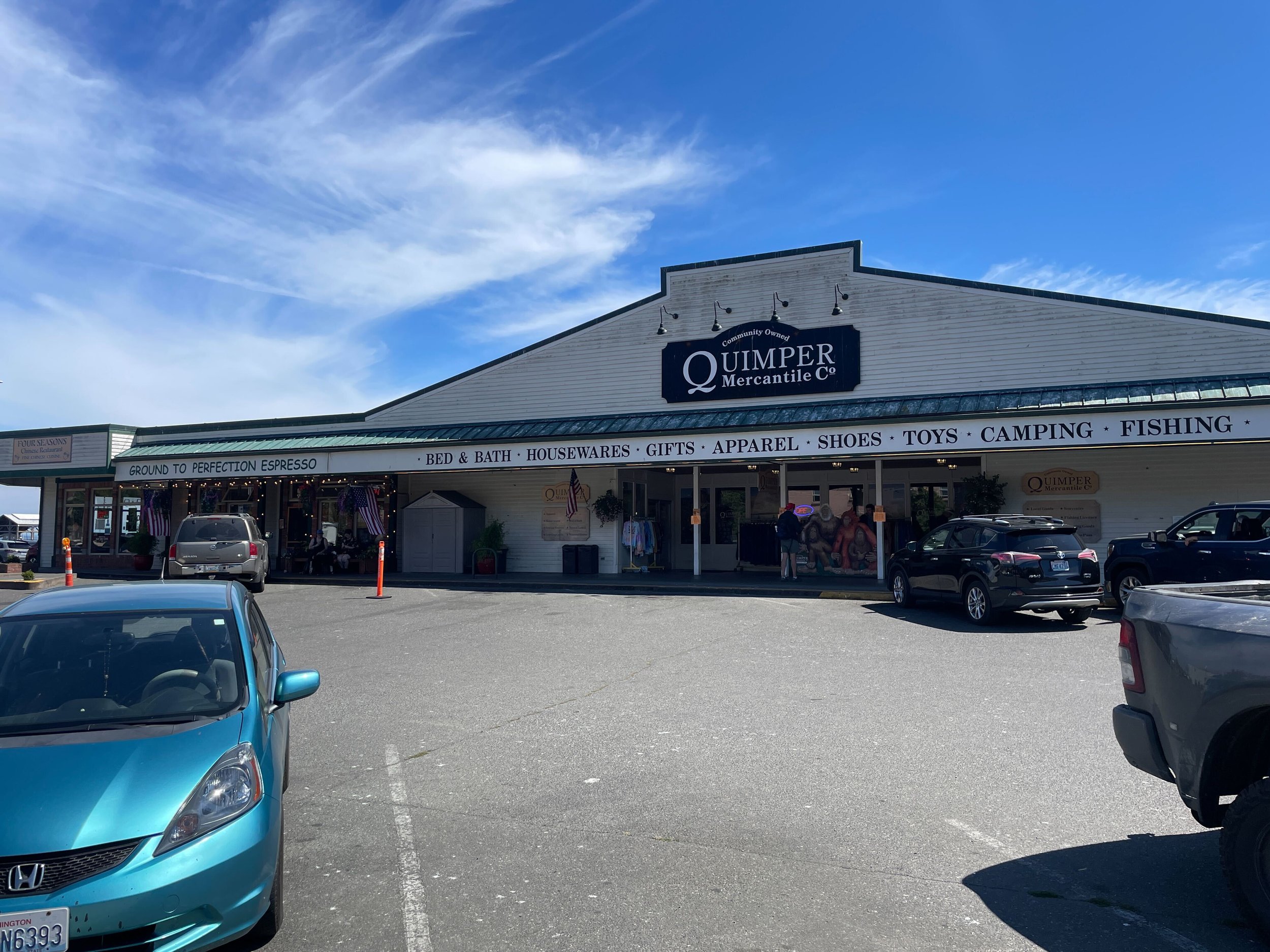
Photo by Angela Downs [/caption]
News by Angela Downs
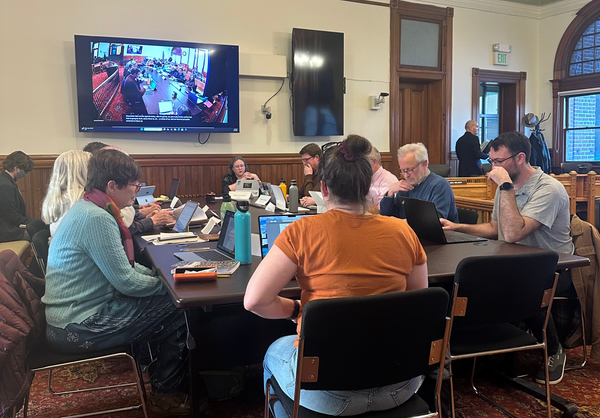
If you’ve been frustrated by the parking situation at Quimper Plaza, it turns out you’re not alone. Mark D. Hall, President and CEO of Hall Equity Group, who owns Quimper Plaza, is also frustrated. “We disagree with the city's policy to discourage parking in the downtown core,” Hall testified at an appeal his company filed against the approval of a hotel project across the street from the plaza where the Sanderling building is currently located.
The project has received conditional approval from the city, and the appeal hearing on August 25 highlights the need to strike a balance between the city's parking policy and its impact on commercial property owners, such as Hall Equities. “We believe that the city's policy towards discouraging parking in the downtown core hurts us more than others, because we're the first big lot that people see,” Hall said.
The hotel slated to be built at the current Sanderling site has only ten parking stalls for hotel guests of the future fifty-room hotel with cafe and meeting room, four of which will be designated to electric vehicles and two in ADA compliance. Hall is concerned that this will overflow the parking on the three blocks on both sides of the street and that people will simply park in the Quimper Plaza lot.
Historically, the Quimper Plaza parking property has struggled with non-shoppers using the lot for ferry parking, shopping elsewhere, gdining in other parts of downtown, or staying at hotels. Hall stated that as soon as the recent paid parking was implemented at the lot, business owners began asking Hall Equities for deals for their employees who regularly use the lot.
“This is the kind of problem that we've got,” said Hall, “and this just exacerbates this problem when the city approves a hotel of that size directly across the street with clearly inadequate parking. The truth is that there is impact here, and that's not being taken into account, so that's why we appeal.”
Mr. Hall said their initial efforts after acquiring the property were to simply do a better job of managing the lot. A few more signs and stricter reinforcement. “It didn’t work as well as we hoped,” Hall testified. In talking to local tow companies, they found that in the state of Washington, the tow companies are required to give somebody a 24-hour notice after the tow occurs. They could not find a tow company that was willing to police this lot.
They found a paid parking program as a deterrent. “We did implement that paid parking program earlier this year. It wasn't very successful. We made some mistakes in the rollout of that, and we have since discontinued that program, but we are about ready to introduce a new paid parking program on the lot.”
The paid parking program has sparked controversy in Port Townsend. And, in the view of Hall Equities, it confirms that people use their parking lot as a public parking lot. “They are used to that and don't like the change that comes with a paid parking program. We'd certainly rather people just simply not park in the property,” Hall said.
“We’d certainly rather people just simply not park in the property”
— Mark D. Hall, President and CEO of Hall Equity Group
Hall Equities does not find it financially feasible to have full-time on-site parking management. Left with limited options, they have considered closing off all parking to the property. “The other alternative is to create a disincentive to park there by people who should not be parking there. And that's the paid parking program that we're intending to implement,” Hall said.
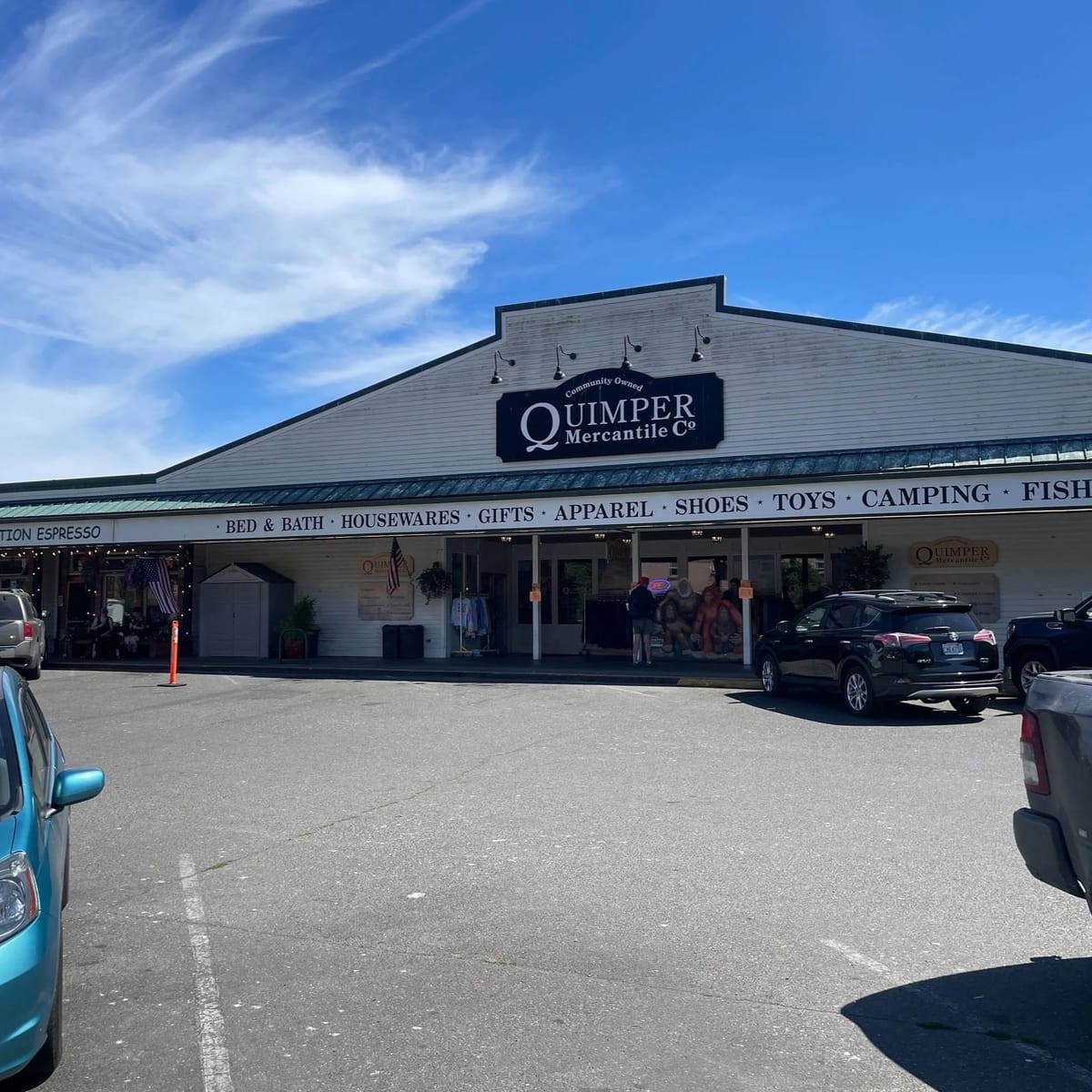
The owner’s largest tenant, Quimper Mercantile, expressed strong support for the objection to this hotel project in a letter to Hall. They have struggled with a lack of parking for their customers for years. By retail standards, it is under-parked. With shopping centers utilizing an average parking ratio of five stalls per 1,000 square feet, this translates to roughly 200 stalls for the Quimper Plaza, which has 163 stalls on site.
John Henry, CEO of ZMC Hotels, also testified at the hearing. Stating that, across the board, industry standards expect hotels to have a one-to-one ratio of parking to guests, and never in his career has he seen less than one parking stall per room standard.
Public parking lots like those on Fillmore Street, the primitive lot on Tyler Street next to the bluff, and the Monroe Street park adjacent to Point Hudson tend to be full during peak hours. Both of the two larger private lots for Security Bank and the plaza implemented restrictions this year for tenants, employees and customers, installing mobile payments.
It is likely that the new hotel will significantly contribute to both peak demand and cumulative demand for downtown parking. Most visitors to need a car to reach Port Townsend, which creates significant congestion, particularly during the summer.
As for on-street parking, with the City no longer employing enforcement officers or volunteers, overstaying time limits on parking is rampant. Downtown businesses have long maintained that parking turnover is essential to maintaining a smooth flow for both businesses and customers. With 91% occupancy during peak times, the hotel's parking deficit could strain available on-street spaces —particularly on Water Street —and across the street at the private plaza lot.
The appeal hearing will continue on September 10th at 9:00 AM. Please see the city website for details.
Correction: An earlier version of this article incorrectly stated that the hotel didn’t need to build off-street parking due to a new code, which is untrue. They aren’t required to build off-street parking because of being zoned Historic Commercial (C-III) regulated per PTMC 17.20.020