Port Townsend Council Rejects 2026 Farm Amendment, Offers 2027 Path Forward
Urban farmers compete for planning staff time with affordable housing measures during the Growth Management Act appeal on the city work docket.

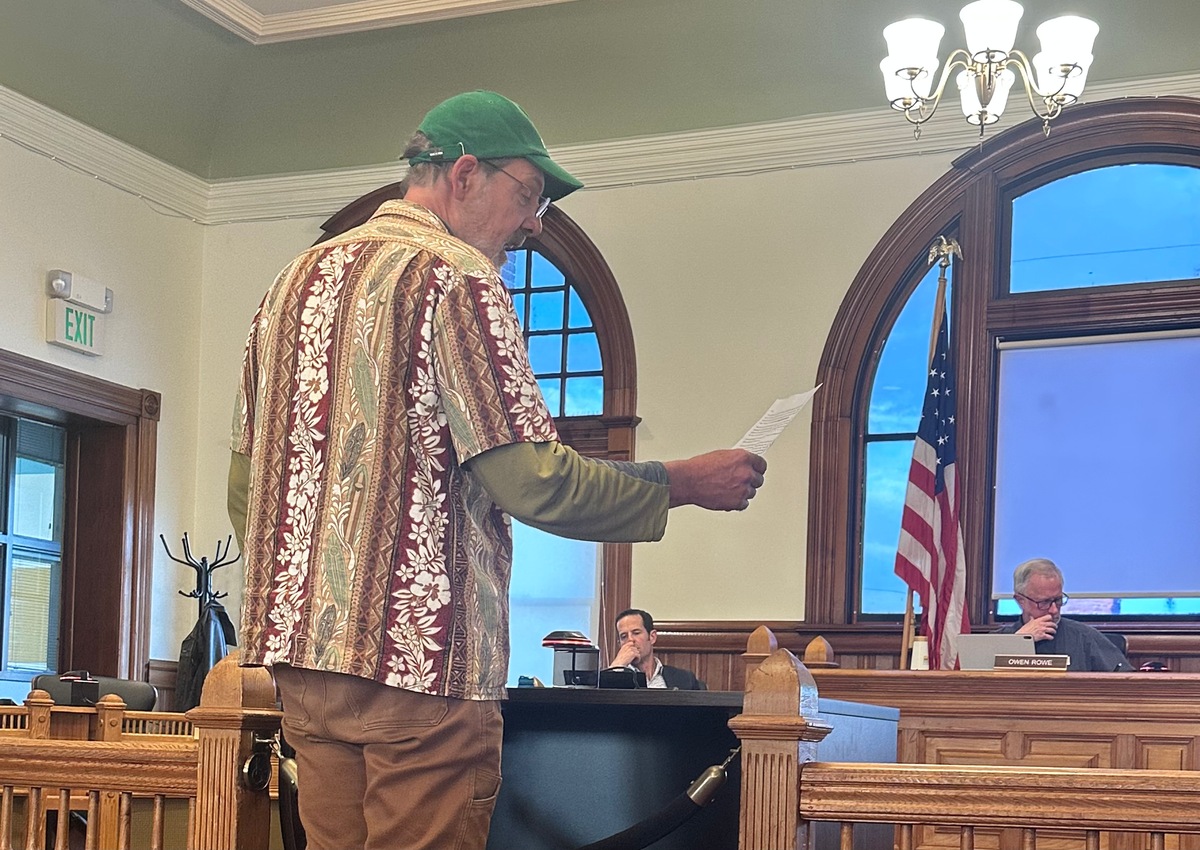
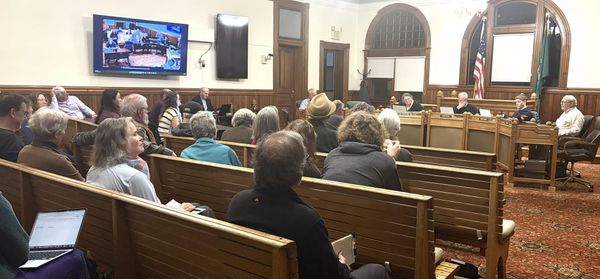
PORT TOWNSEND, WA — After three hours of staff presentation, impassioned public testimony and tense deliberation, the Port Townsend City Council voted late Monday not to reopen the 2026 docket for a comprehensive plan amendment sought by the Quimper Growers Community (QGC). The decision, effectively a "no action" ruling, means the proposed agricultural protections will not be considered this year.
However, the council signaled a clear willingness to take up the issue during the 2027 work plan. This compromise left many farmers feeling cautiously heard but deeply frustrated by what they described as a year-long procedural maze.
"This is not the end," said Mayor Amy Howard, who convened a meeting last month between QGC, staff and council members. "If the decision is no tonight, that’s not the end of the process."
A 15-month journey to be continued
The QGC first approached the city 15 months ago, seeking to enshrine stronger support for urban agriculture into the city’s Comprehensive Plan. The group’s proposed amendments included goals for fair access to water, farmworker housing, streamlined setback requirements for barns and greenhouses, and an opt-in program to recognize farms operating within city limits.
The proposal was significantly trimmed by the Planning Commission, which forwarded only the elements it considered the most visionary and manageable. Still, when the amendment reached the council, staff warned that adding it to the 2026 docket would overwhelm an already strained planning department.
"The reason my staff is recommending not to open the docket in 2026 is not about the merits of agriculture," said Emma Bolin, Director of Planning and Community Development. "It’s based on severe staff capacity constraints and the need to prioritize statutorily required work—including a Growth Management Act appeal, shoreline master program updates and permit processing under state timelines."
Bolin noted that the city is already turning away grant money due to a lack of capacity.
A split decision from the planning commission
The Planning Commission’s April 9 recommendation to forward the proposed amendment to the council was not unanimous. The commission voted 3-2 to forward the amendment, with two members absent.
Alternatively, a separate unanimous recommendation from planning staff asked city council to not place additional items on the 2026 docket and to move forward with expanding the Multi-Family Tax Exemption (MFTE) program as originally planned this year. Expansion of the MFTE program was identified in 2023 as an affordable housing tool to be implemented with the 2025 comprehensive plan.
Planning Commissioner Dylan Quarles, who was absent from the aforementioned vote and speaking as a community member, urged caution: "I support the growers’ goals. But cramming a code overhaul of this scale into a docket that can’t absorb it right now is not the way to get it done. It risks getting shelved. I want this done right."
"A completely false statement"
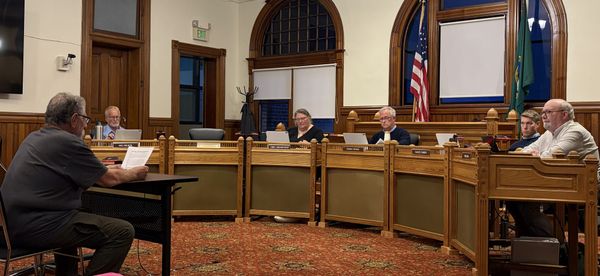
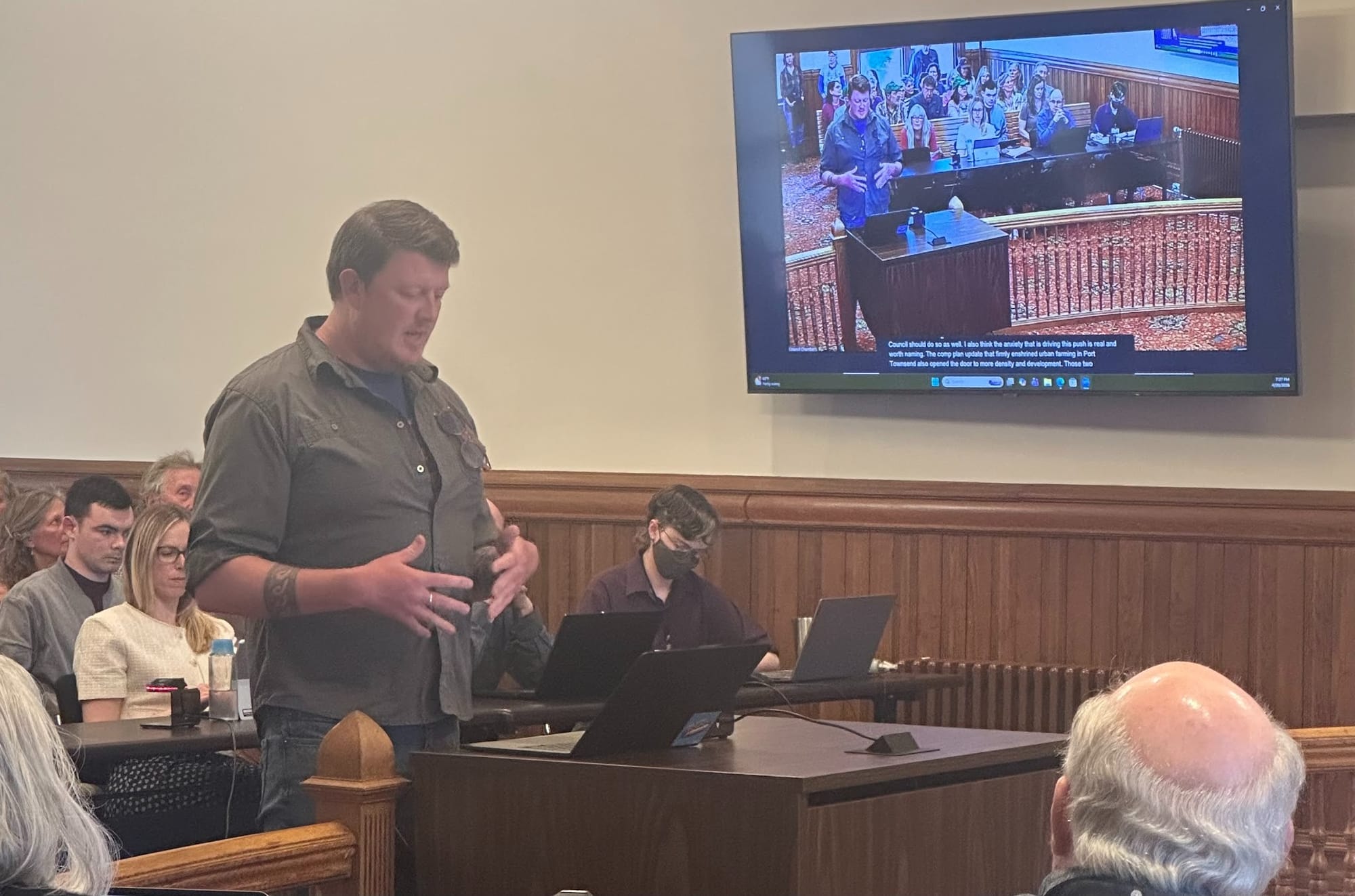
The evening’s most pointed exchange came when Rick Jahnke, former chair of the Planning Commission, took the podium to rebut a claim that had circulated for months: that the 2025 Comprehensive Plan update had removed nearly all agricultural language.
"‘After initially looking like the agricultural language incorporated into the first comprehensive plan in 1996 would be completely removed’ . . . that statement is completely false," Jahnke read from the proposed amendment letter submitted by Bly Windstorm. "Everyone involved in the comp plan update process knows that removing agriculture was absolutely never considered." Jahnke said.
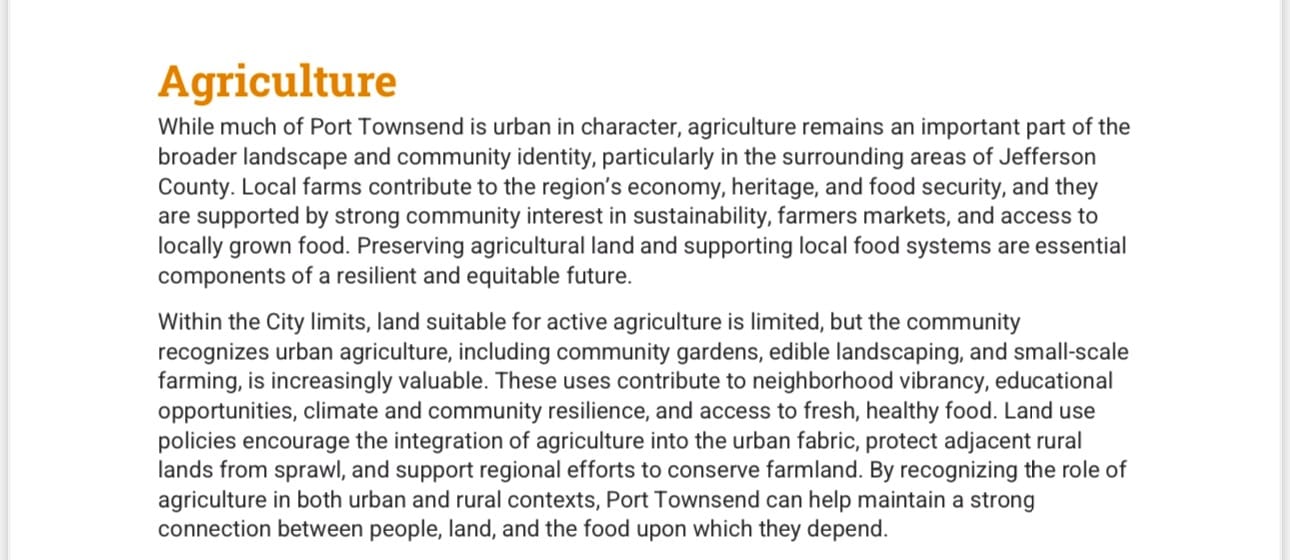
Jahnke then read directly from the adopted 2025 plan, which states: "Preserving agricultural land and supporting local food systems are essential components of a resilient and equitable future."
He added, "What makes this so frustrating is that we’re all in agreement. The city fully supports urban agriculture. All this controversy does is divert staff resources from affordable housing."
Farmers push back: "Words are not enough"
But farmer after farmer countered that supportive language in the Comp Plan does nothing without implementing policies.
Bly Windstorm, a member of the QGC, told council: "Those paragraphs, no matter how well crafted, will not provide planners or engineers the guidance or tools they need to accomplish anything substantive on issues growers face now or will in the future."
Jude Rubin, who coordinates Shooting Star Farm, a legacy farm that supplies produce for the Food Co-op, Chimacum Farm Stand, and Jefferson Healthcare Hospital, was blunter: "Currently, city codes basically tolerate farming and community gardening. That’s not a good foundation for running a cottage industry."
John Gunning, owner of Collinwood Farm, a four-acre operation inside city limits, tied the local fight to global pressures. "The water basin in California is almost empty. Gasoline is $8 a gallon. Arizona and California are not going to be what they were. We need to leave something really good for our children," Gunning said.
The legal and practical hurdles
Bolin and City Attorney Austin Watkins outlined several legal barriers. If the city were to designate agricultural land within the Urban Growth Area, state law would require a full land capacity analysis and a Transfer of Development Rights program, both of which are major, multi-year undertakings. Prioritizing the proposed amendment over mandated required work items could also introduce legal consequences.
"Even aspirational policies can create legal vulnerability," Bolin said.
Council Member David Faber, who grows food in his own yard and whose family has deep ties to community gardens, struggled to reconcile his support for farmers with the staff’s warnings about capacity.
"If staff is correct, and taking this up would obliterate our ability to work on affordable housing, that is detrimental to the public’s interest," Faber said. "And our current comp plan does not threaten agriculture."
Public outpouring, then a shift to 2027
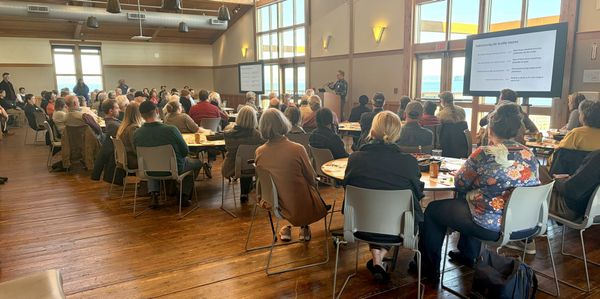
More than 20 people testified, nearly all in support of the amendment. Speakers included a 93-year-old community gardener, a farmer who gave birth on her land and a gleaner who has harvested 15,000 pounds of fruit from city trees.
Candice Cosler, a founding member of the Port Townsend Farmers Market, reminded the council of the 1996 storm that cut the city off for days: "Port Townsend had a three-day food supply. That motivated many of us to create a robust local food system. We need to protect land within city limits for agricultural production."
After the public comment period closed at 8 p.m., the council deliberated for nearly an hour. Several members expressed support for the goals but not the timing.
Council Member Monica MickHager noted that the council had voted to close the 2026 amendment cycle six months ago, before the city became entangled in a Growth Management Act appeal which has since diminished the planning department’s capacity even further.
Council Member Fred Obee, the most vocal supporter of immediate action, pushed back: "Last year, they were told to wait a year and come back with line-in, line-out language. They did. Now it’s, ‘Sorry, the docket is full.’ This is not how you encourage public engagement."
In the end, Obee’s motion to add the amendment to the 2026 docket died for lack of a second. Instead, the council agreed to a different path: individual council members will hold conversations with the agricultural community over the coming months, and the full council will consider proposals during its July 2026 work plan retreat to place vetted items on the 2027 docket.
What happens now
For the Quimper Growers Community, the outcome is bittersweet. The council did not reject their proposals on merit. But after 15 months of meetings, drafts, and public testimony, they leave without the 2026 docket they sought.
The council’s July work plan retreat is scheduled for Monday, July 13, 2026. That meeting will determine which of the growers’ proposals will move forward into the formal 2027 amendment cycle.