Port Townsend Moves to Preserve Tree That Bears Witness to a Lynching
Historic landmark designation process begins for a Douglas Fir where a Chemakum man, Kia-a-han, was hanged in the 19th century.

News by Rachael Nutting
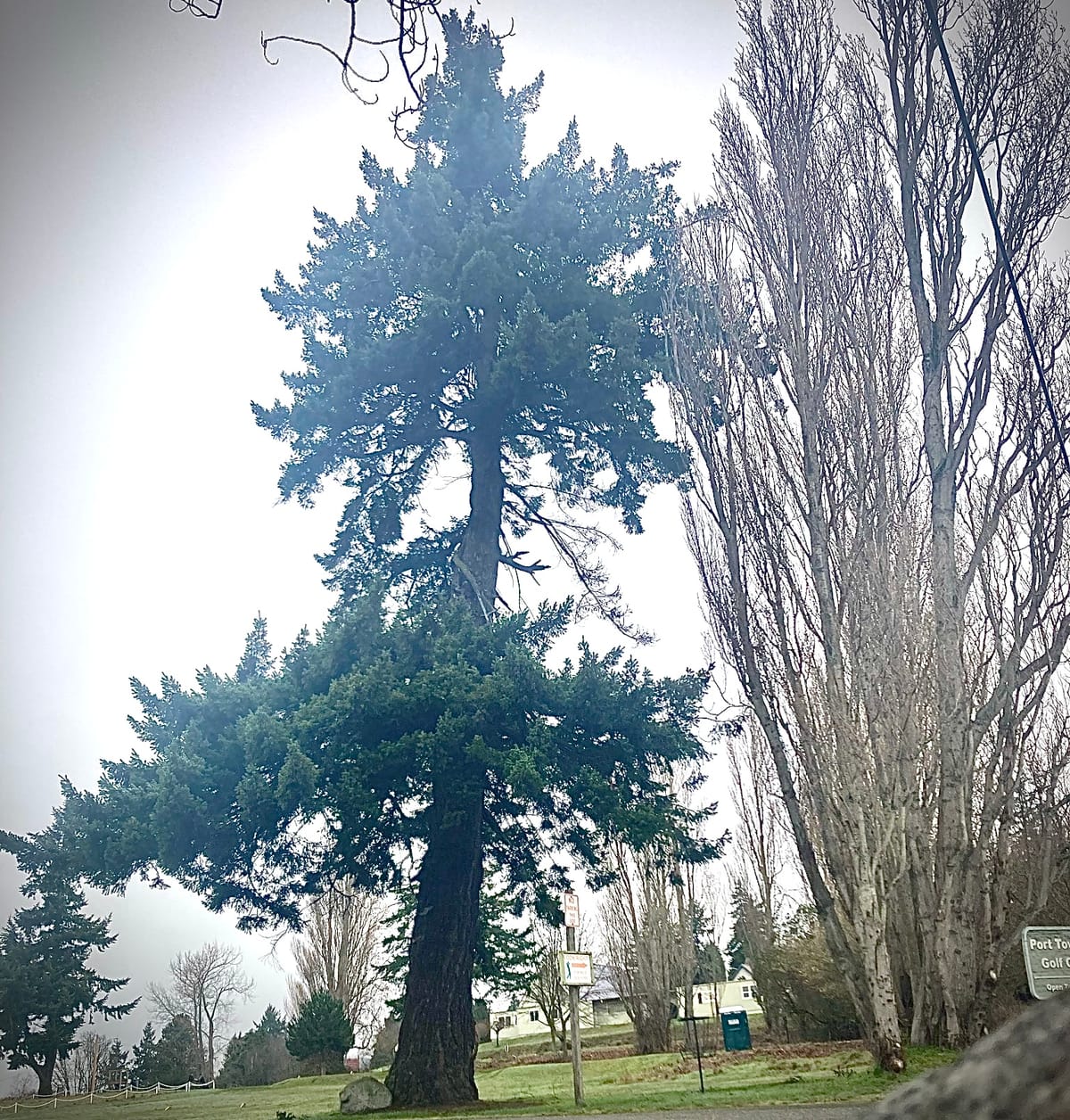
PORT TOWNSEND, WA — The Port Townsend City Council has authorized the start of a landmark designation process for a Douglas fir tree on the city-owned Camas Prairie golf park, a site of a documented 19th-century lynching of a Chemakum man named Kia-a-han. This decision, made on February 2, 2026, follows tribal consultation and public testimony about the tree's painful history and its significance for truth-telling and reconciliation.
The history: A fatal misunderstanding
The tree, seemingly unremarkable to passersby, is a stark reminder of Port Townsend's history of anti-Indigenous violence. After settlers arrived in the 1870s, Kia-a-han was lynched from its branches by a vigilante mob. His crime was killing a roaming steer that belonged to Percival Chamberlin, a non-Native farmer whose wild herd was known to terrorize the local community, historical records show.
Historical accounts, including those documented by Mary Ann Lambert and Dr. Alexandra Peck, indicate that Chamberlin had announced that Indigenous people could hunt the troublesome steers if they reported the kill to share the beef. When Kia-a-han did just that, he was met with anger from Chamberlin instead. Fearing for his life, Kia-a-han fled. Chamberlin organized a posse from Port Townsend, which eventually threatened Kia-a-han's wife, O’wo-o-ta, until she revealed his hiding place. He was captured, taken to Port Townsend, and hung from the tree.
This act occurred against a backdrop of broader oppression, including an 1871 city ordinance that barred Indigenous people from entering city limits without a White chaperone. Naiome Krienke, a Chemakum woman, does not believe this lynching was a singular occurrence. “I heard stories it was more than one [lynching] when I was younger,” Krienke said.
The People: The Chemakum are still here
The victim, Kia-a-han, was a member of the Chemakum people, a tribe whose ancestral territory includes the Port Townsend and Chimacum area. For over a century, the Chemakum were widely believed to be extinct—a narrative stemming from a devastating 1847 attack by allied S’Klallam and Suquamish warriors, diseases and forced assimilation into neighboring tribes.
Today, Chemakum descendants want it known that they are still here. In 2022, they formed a council to reclaim their history, culture and language. Their active participation in the landmark tree consultation has been vital to the process.
The landmark process: Consultation and deliberate steps
The city's Landmark Tree Program, established in 2003, has only designated five trees. An Oak on the corner of Pierce and Lawrence was the first tree to be designated. The process for this Douglas fir began in 2025 with applications from arborist Richard Hefley and the Native Connections Action Group.
Recognizing the site's cultural sensitivity, the city proactively initiated consultation with four federally recognized tribes, including the Jamestown S’Klallam tribe and the Port Gamble S’Klallam tribe, as well as the Chemakum tribe. This consultation was crucial. As Public Works Director Steve King stated, "We don’t know what we don’t know. That’s why tribal consultation is so important, to ask the folks that are most impacted and have the most history."
Tribal members provided an essential perspective. Rosalee Walz, a Chemakum Elder and Chairperson of the Chemakum Tribal Council, reflected, "It really isn’t so long ago. My grandfather’s time. A dark, thick time for Chemakum people; it is a part of our history.”
Initially, some council members, like David Faber, expressed concern that designating the site could be misconstrued as celebrating the lynching rather than educating about it. However, after hearing tribal support, the council unanimously agreed to proceed. The Jamestown S’Klallam Tribal Historic Preservation Officer submitted a letter in support of the designation.
The path forward
The council's February 2 vote authorized staff to submit a formal application, but it was not the final decision. Next, the Port Townsend Parks, Recreation, Trees and Trails Advisory Board will review the application. City staff will assess the tree's condition and any conflicts with public infrastructure. The Public Works Director will make the final designation.
If designated, the tree will receive special protection and stewardship, serving as a permanent, physical testament to a history that has long been overlooked.