Public Lands vs. Private Corporations: How Campaign Contributions Impacted the Closest Election in WA’s History

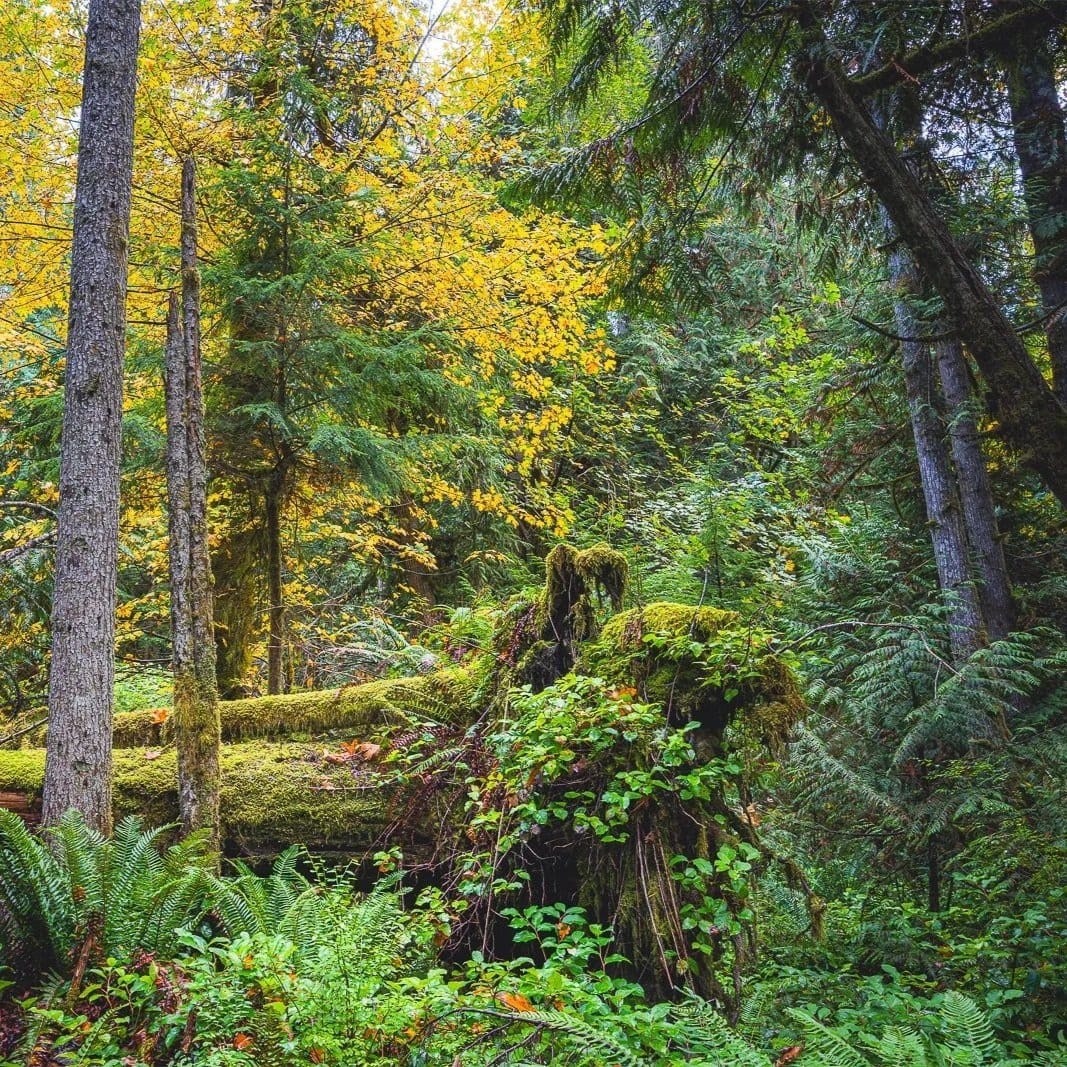
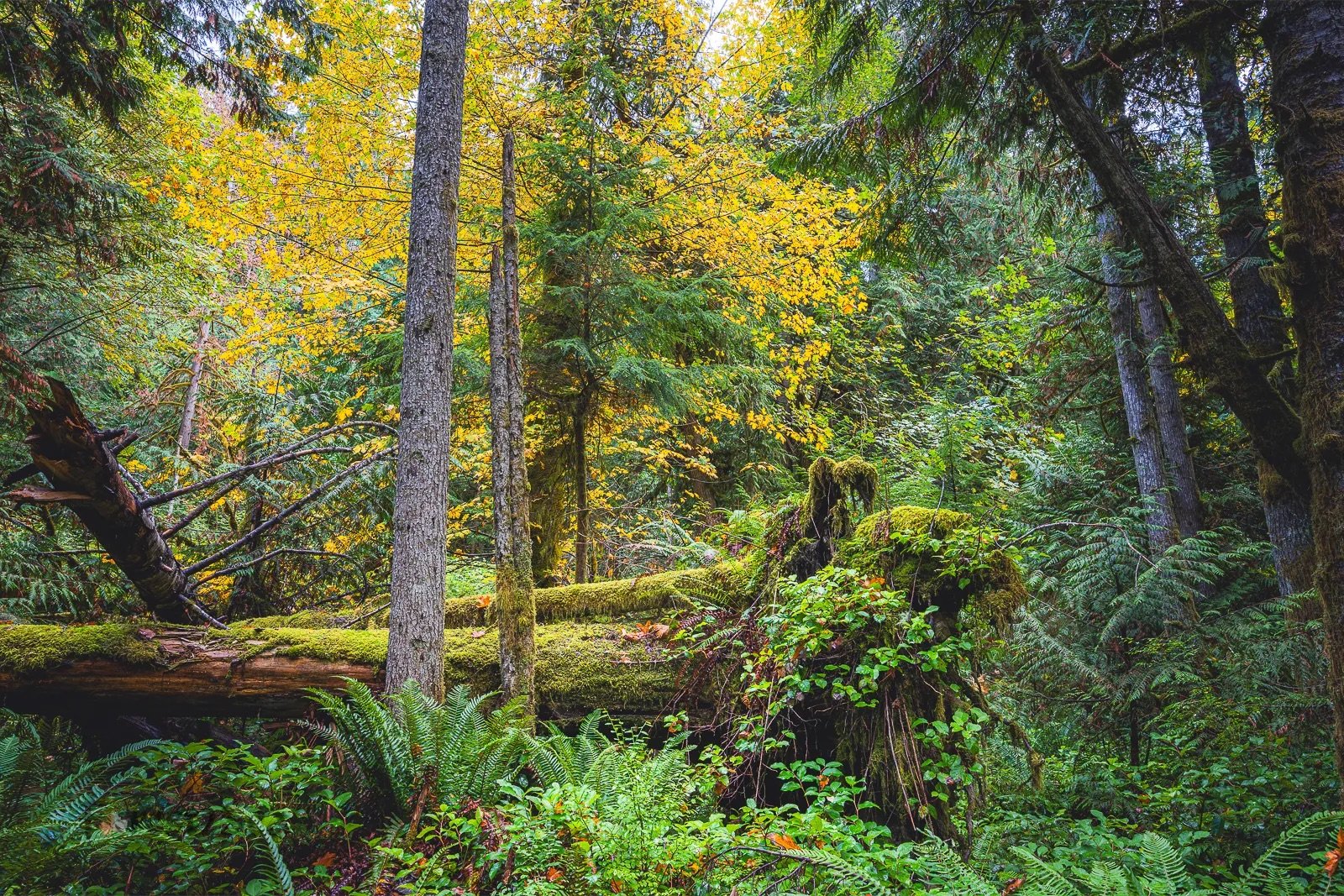
The proposed DNR timber sale named “Alley Cat” will log approximately 100 acres of mature legacy forest near the Elwha River and Little River in Clallam County. Alley Cat’s sale is scheduled to be approved by the Board of Natural Resources on Nov 5th, before the election where a candidate for Public Lands Commissioner Dave Upthegrove looks to win and put a policy that would no longer allow such mature forests to be logged. All Photos by Scott F McGee / forest2sea.com [/caption]
By Derek Firenze
Money is the root of all e-
lections.
It’s easy to see the need to pay for staff, commercials, and the many other pieces of a political campaign. What’s not so easy to see, however, is where it comes from.
While records in our state are maintained by the Public Disclosure Commission, few people have the time or wherewithal to dig through the data. Buried within those pages—with each candidate tracking hundreds if not thousands of names and numbers stretching towards a very boring horizon—lies an intertwined network of corporations and individuals hoping to score influence with potential elected officials.
Despite the doldrums, we’re lucky to have those lines of code. Prior to the 1970s, the money was truly dark. Luckily, a group of Washington citizens concerned about the influence of money in politics determined to bring this subject to light. The group filed an initiative to the people on March 29, 1972, to get their concerns on the ballot, and their efforts were a success. More than 900,000 Washingtonians—72% of those who voted in that election—agreed to establish one of the most comprehensive campaign finance regulation systems in the country.
It required disclosure of the sources of campaign contributions along with disclosure of how the money was spent, mandated reporting of personal financial affairs by candidates as well as elected and certain appointed officials, and regulated lobbying activities.
This is all old news though, so why continue to harp on it? Because our state just had the closest race in its history, and money may have sharpened that razor’s edge.
This year’s primary race for Washington State Commissioner of Public Lands came down to less than 50 votes. If you didn’t think your vote mattered, that ought to make you think twice.
After recounting the original margin of 51 votes between Democrat Dave Upthegrove and Republican Sue Kuehl Pederson, the vote was certified with only 49 votes separating them.
Upthegrove faced a field of eight candidates in the primary, with many of his opponents receiving funds from timber companies, which he refused to accept. One of his policy proposals in particular stands in direct opposition to logging interests.
“I have taken a very clear position that on Day One—my first day in office—I’m going to sign a mature forest policy that ends the destruction of mature legacy forests,” Upthegrove said in an interview for an earlier story in The Beacon.
[caption id align="alignnone" width="1600"]
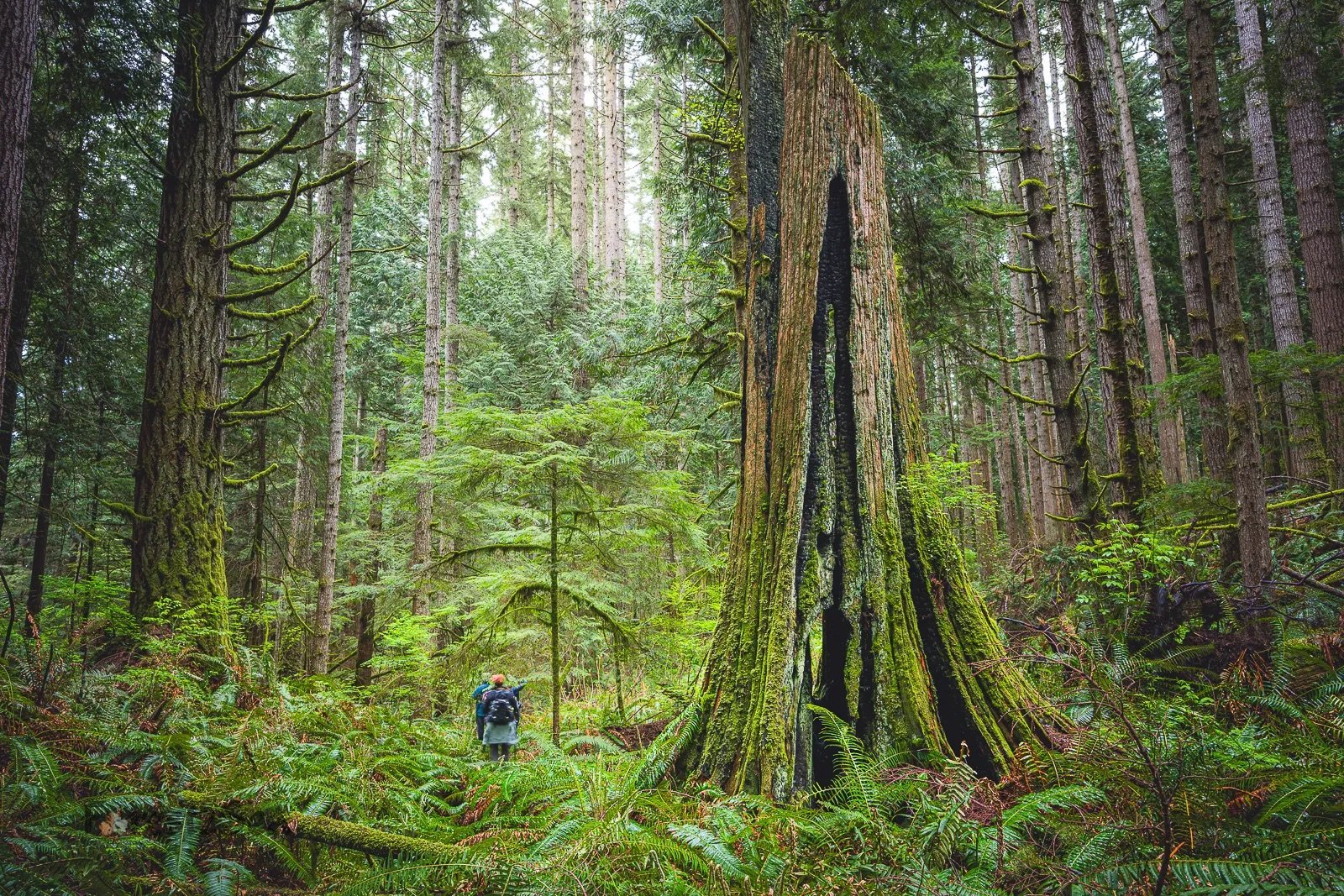
Before the "On the Line" legacy forest logging off the 112, west of Joyce [/caption]
Legacy forests are forests that have never been logged by a machine. While they don’t quite qualify under the state’s old growth status, they are still some of the most complex and biodiverse regions of the state. They are also highly valued by the timber industry as the quality of older trees is of particular interest in the market.
[caption id align="alignnone" width="1600"]
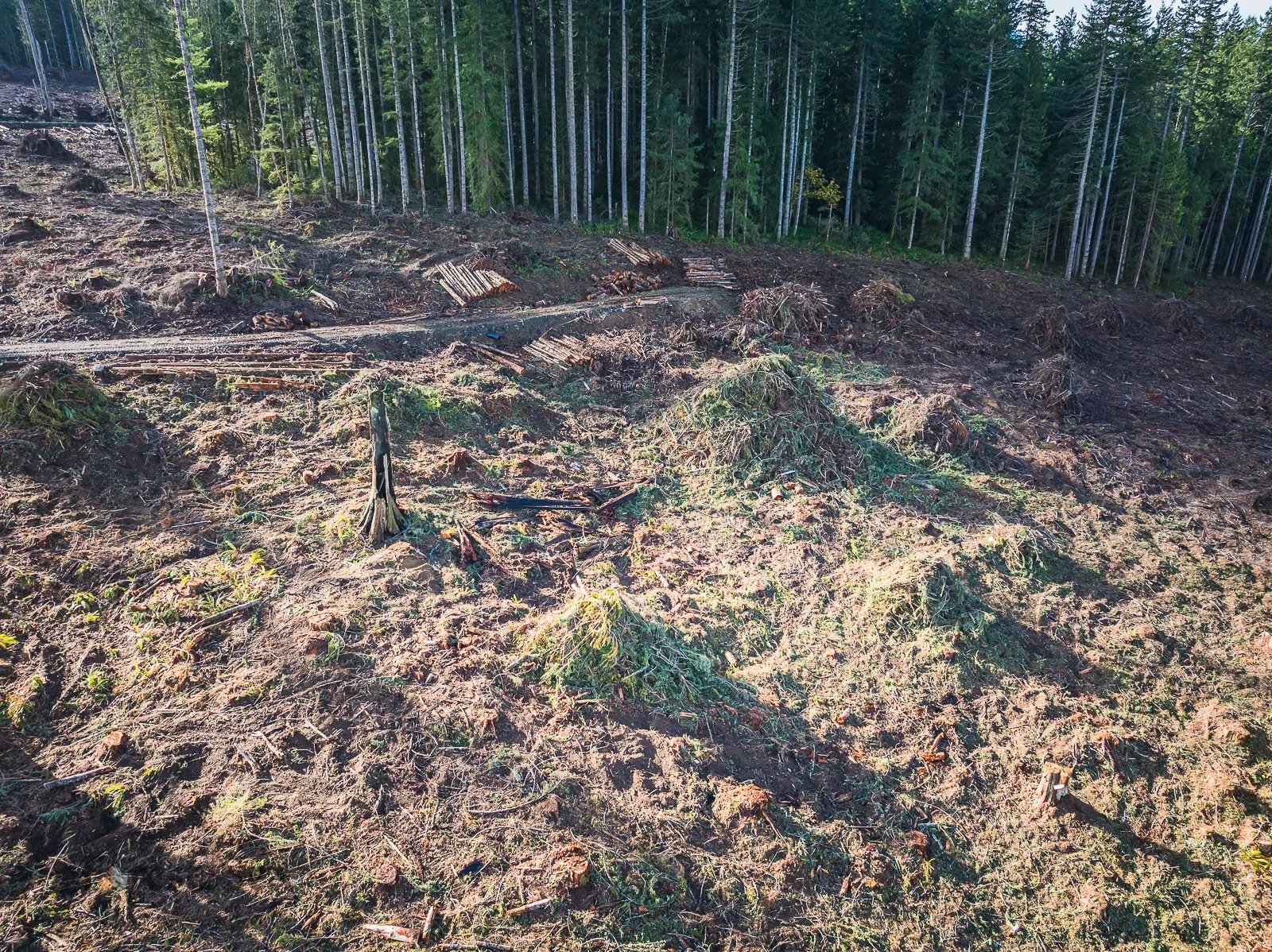
After the "On the Line" legacy forest logging. [/caption]
Legacy forests on the Olympic Peninsula just outside the protection of the national park have been some of the hardest hit, and many timber sales are still on the docket. In October alone, there were 245 acres in Jefferson County and another 244 acres in Clallam County, both on the edges of the park, that were up for sale. Additionally, there are 555 acres of mostly mature forest in the Elwha Watershed, which is currently planned to be logged before the end of the year.
The big money in those big trees is hotly contested. Logging interests and lumber companies funded the top candidates on both sides of the aisle, with the exception of Upthegrove.
During the primary, the American Forest Resource Council, which advocates on behalf of the timber industry, gave money not only to Republican candidate Jaime Herrera Beutler, who is set to take on Upthegrove in the general election but also to Democratic candidates Kevin Van de Wege and Patrick DePoe.
Western Forest Products, a lumber store in Vancouver, Washington, also funded both sides by contributing to Herrera Beutler and Van de Wege.
Funding this large field of candidates split the vote so that despite 57% of primary voters choosing a Democrat in this race, we almost ended up without a Democrat on the ticket.
While this year’s recount is a record for its tightness, which has brought greater attention to the office, timber money’s influence is nothing new. Out of 950 Herrera Beutler donors, 14 also donated to Hilary Franz during her past campaigns for Public Lands Commissioner, the title which she currently holds. Franz gave up her role as Lands Commisioner to run for Washington's 6th Congressional District, a race she lost in the primary.
The American Forest Resource Council is one of those who donated to Franz in previous years.
Despite Big Timber’s influence on both sides of the ticket in this year’s election, grassroots donors turned the tide. Upthegrove received more individual financial contributions than any other candidate in the race, a testament to how his message resonated with voters.
All those grassroots contributions also added up to the largest amount in that race, with more than $1,250,000 in contributions. Now that the Democratic party is united behind him, those vast coffers will likely carry him to victory in the general election, proving at the end of the day that money does indeed talk.
Some of the research for this article was provided by The Sunlight Research Center.