Rufina Garay Brings Joy (and food) to Role as Port Townsend's New Poet Laureate

News by Angela Downs
Rufina Garay was inaugurated as the 2026 Poet Laureate on January 5. She is Port Townsend's second Poet Laureate and will serve in the civic position for two years.
She considers herself “a homegrown poet,” studying locally at Imprint Bookstore workshops with teaching writers like Gary Copland-Lilley, participating in the Centrum Writers Conferences, and serving as an artist-in-residence at Centrum. As a double major in Russian language and literature and English literature, Garay memorized Russian poetry and read Chaucer, but she doesn’t count historic poetry as her main influence. “I consider contemporary poets here as part of Centrum faculty to be my closest inspiration and my closest mentors,” she said.
As a member of Shattering Glass, a collective of emergent and established poets, Garay has hosted and participated in many poetry events locally. Amplifying underrepresented voices of emergent artists is an important part of Garay’s work, and reports that the response of people who've participated as poets in these events has felt their experiences to be healing.
“What poetry does sometimes is it gives people some hope and the ability to remember how to wonder and to recognize that there are still moments of awe, not because of the poem, but because of what the poem is reflecting about what we get to engage and interact with on a daily basis,” Garay said.
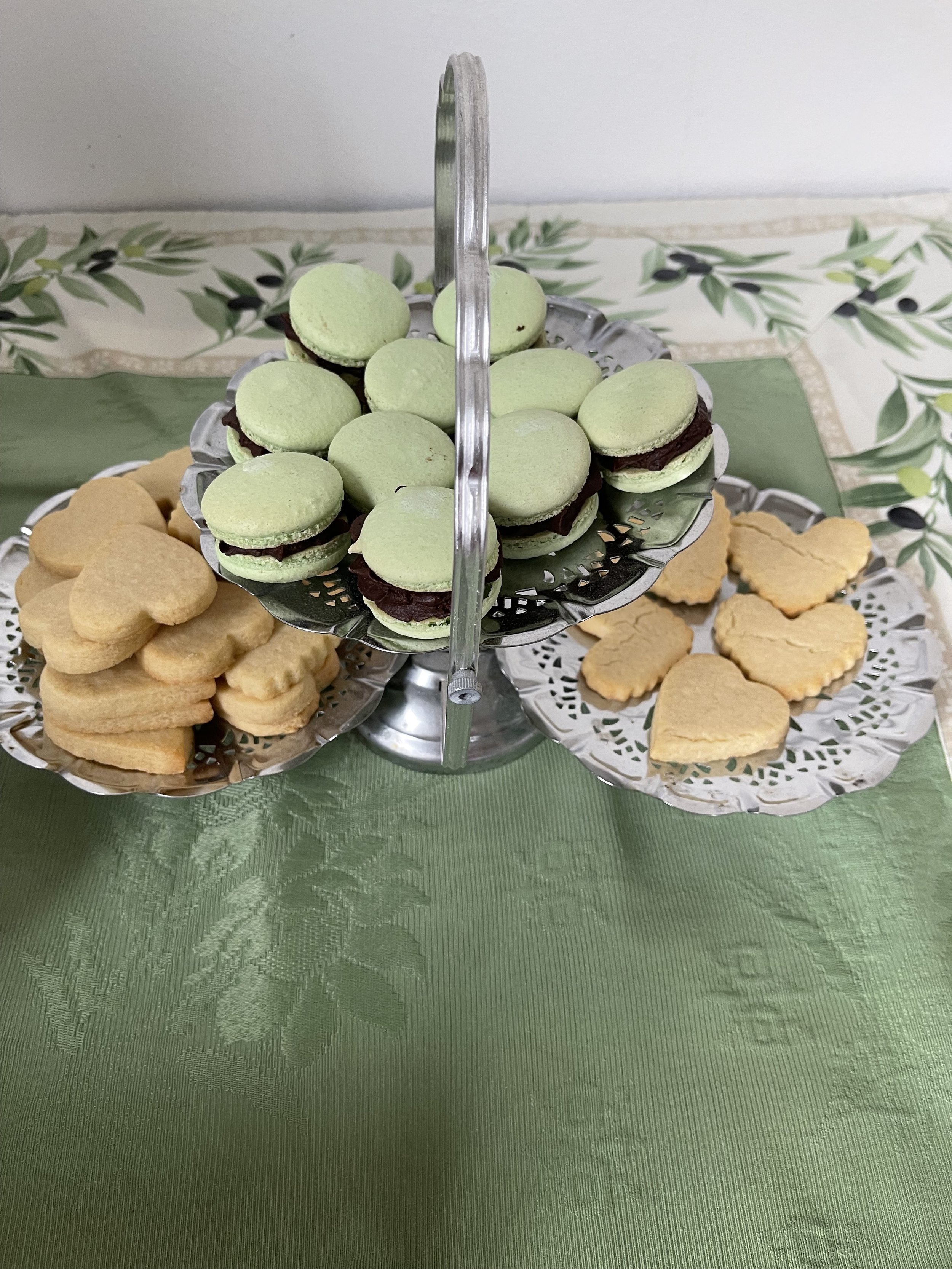
Poetry isn’t Garay’s only art form. A graduate of New England Culinary Institute in Vermont, Garay serves as a Demo Chef at the Farmers Market, cooking and conducting discussions on health and equity. For the last three years, she has been organizing poetry events as a poet-artist with the Sound Check festival. She most recently created Homeland, a public event featuring fresh foods from local farms and indigenous dishes, setting the scene for guided discussions on the theme of home. People gathered, shared, and listened to poems about missing indigenous women.
Teaching culinary arts, poetry, and social justice at the high school level, Garay led projects focused on Japanese and Filipino food through a special grant-funded program during the pandemic called “Tracing Cultural Identity through Cuisine and Spoken Word”. She believes youth deserve every opportunity to come together and make poetry.
With the high school’s afterschool BIPOC students union, as well as any of the high school student groups, LGBTQ+ youth, and any other students who wanted to attend, Garay’s held workshops on Japanese maki and handroll sushi making, and a shared meal of Chicken Adobo with rice and lumpia. Using rice as a metaphor, discussing microaggressions, and studying social history alongside Japanese poetry forms such as haiku and satori, Garay provided students with a dense foundation for self-expression.
Garay hosted Art As Resistance and Resilience, as both an opportunity for artists to showcase their works and read together. She specifically developed the program because a young Haida and Grand Island Chippewa student, Liz Storm, spoke about biases and aggressions happening at schools on the basis of her being indigenous. Garay asked her what she could offer to help. She said, “I'd like to be a public speaker.”
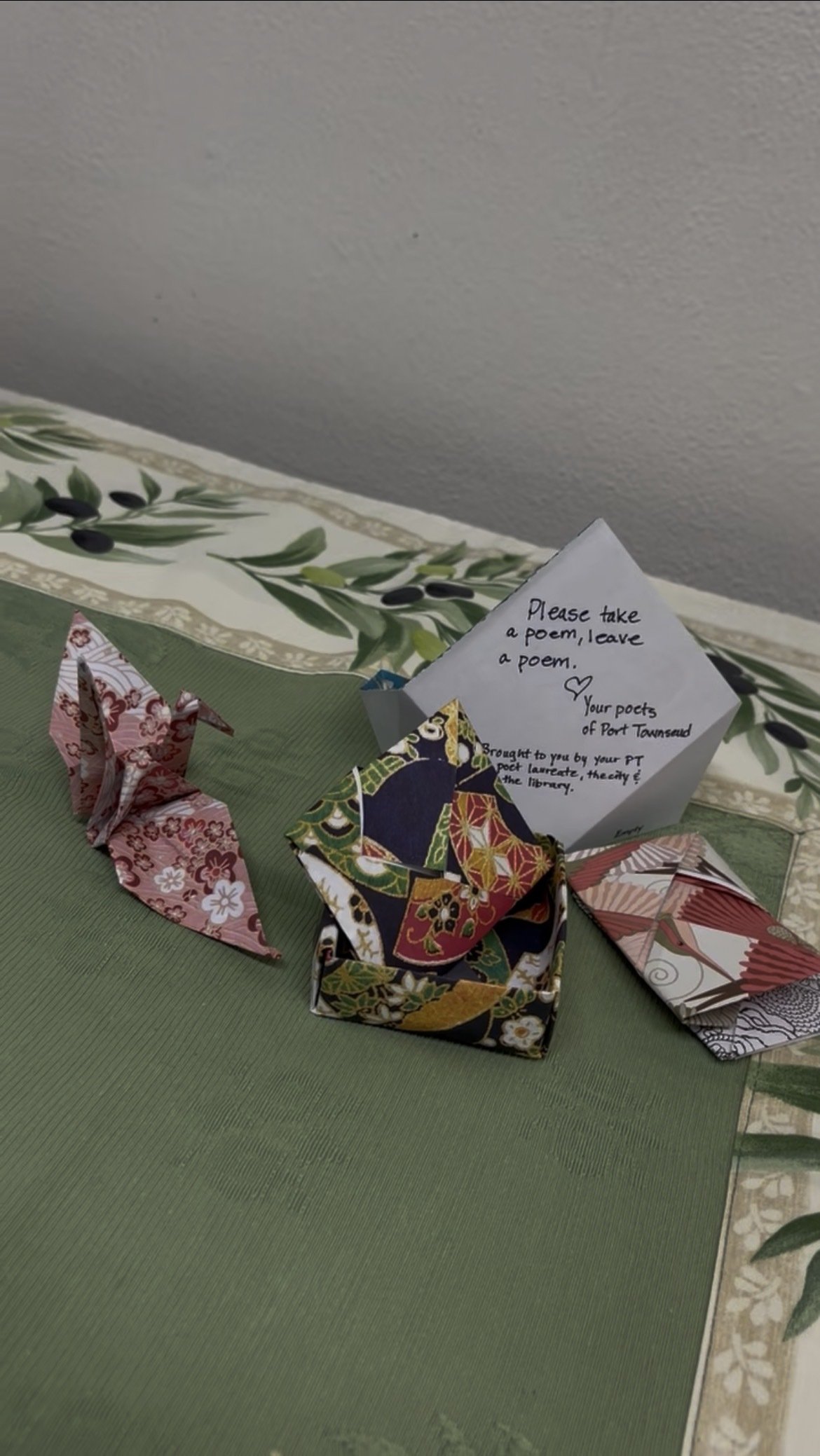
“And after she said that, well, I thought, I can do that because I used to work as a consultant,” Garay said, “I had a business in the Midwest where I would do workshops on public speaking. I started to create these venues where she could read her poems. So she has been at every single one. ”
Garay’s work is intergenerational and multi-disciplinary, aiming for collective reflection and action. As a certified Qigong instructor, Garay uses a mindfulness approach and a somatic approach, meaning of the body, to provide audiences with an energetic resource to process the themes within the poetry.
“Poetry is about the breath and where you have your pause,” Garay said, “You communicate with each other and have a shared experience through the reading of the poem and the receiving of the poem. And so a practice of breath work prior to reading poems is a nice way to synchronize an audience with the poets, and it gets them to feel into their bodies.”
The idea of collective union is important to Garay's work. Civic discourse is essential and poetry, she believes, is a potent tool in unifying hearts. With a background as an attorney and training as a mediator, Garay feels equipped to navigate civil conversations with poetry, shining a light on social issues while also holding the center of happiness for groups.
Garay said, “[R]egardless of any differences that we might have in mind, to have really good outcomes is to care for each other. It’s the heart of what comprehensive planning is—how do we take care of everyone?”
Check the city event page for upcoming poet gatherings, join the free Poetry Walks to Memory’s Vault at Fort Worden, and keep an eye out for games and poetry stations around town. You can contact Rufina Garay at poetlaureate@cityofpt.us and check out her website at www.recipeswithrufina.com.