Building Solidarity: Volunteers Bridge the Gap for The Black Prisoner’s Caucus

News By Angela Downs
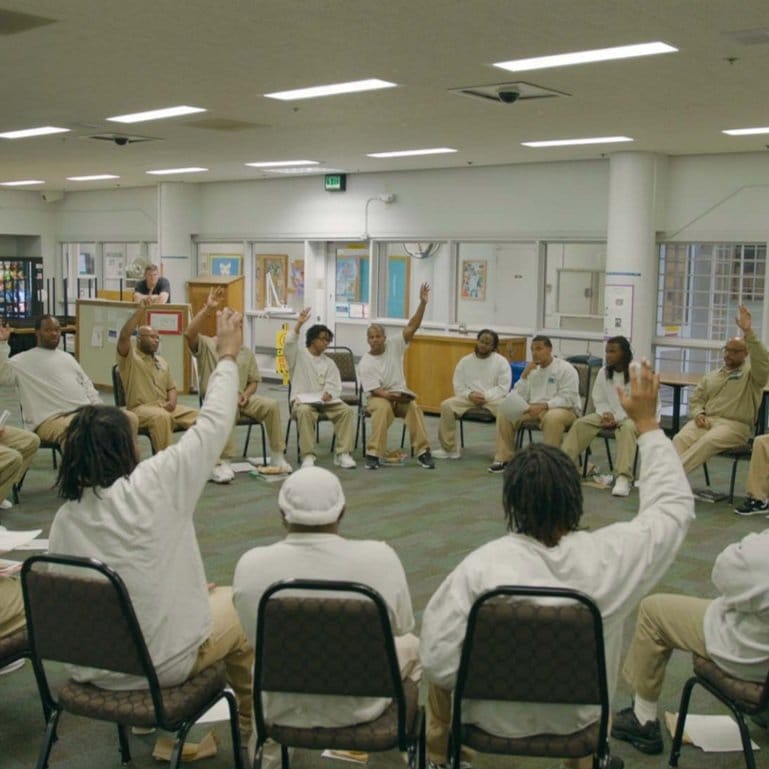
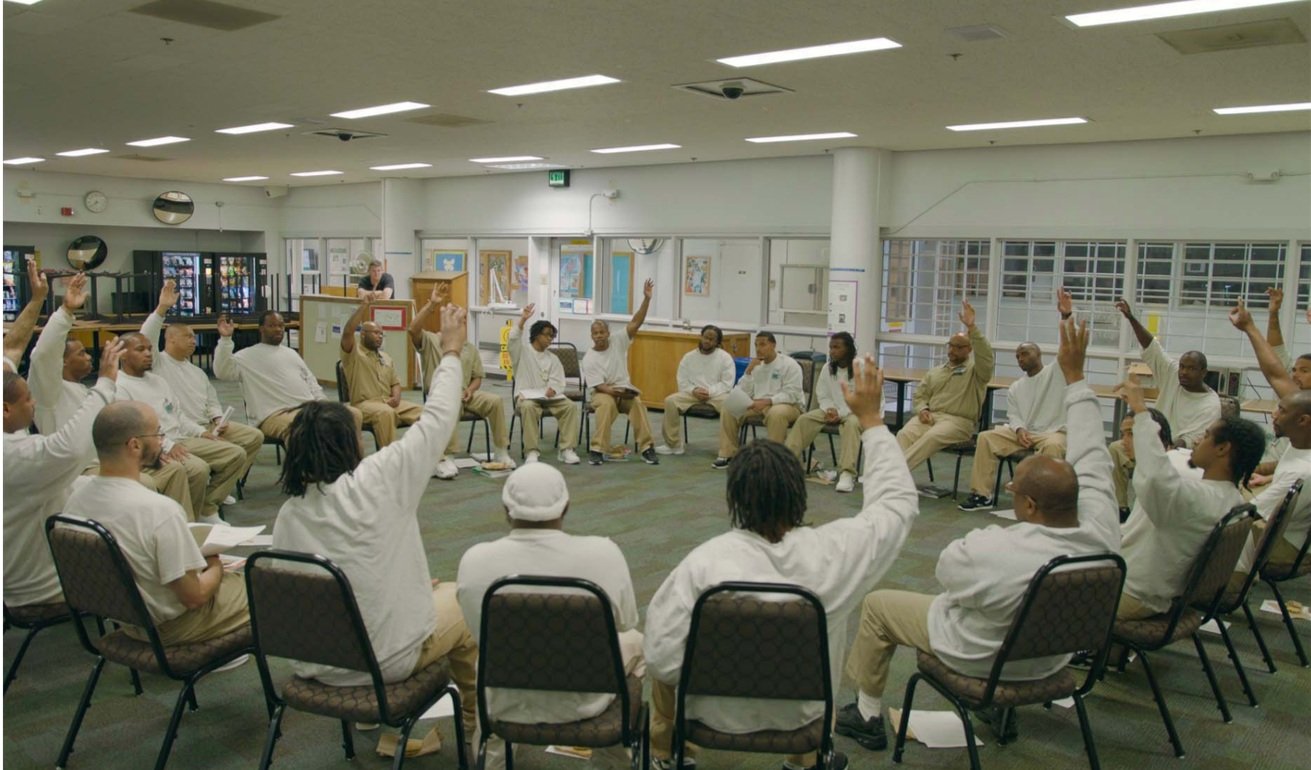
The movie Since I Been Down, reveals the truths of incarcerated youth in Washington State the 1990s with the purpose of removal from society, and their pursuit of redemption. In 2023 the documentary was shown at the Quimper Unitarian Universalist Fellowship, and a surprising announcement was made: the Black Prisoners Caucus had been banned from meeting without a volunteer from outside present to facilitate. The need for volunteers rallied a group of people at the screening who then developed the Peninsulas Prisoners Solidarity (PPS). 13,714 people are living in prison in Washington State. Black and Latino people disproportionately make up these populations.
Lily Haight works in the Public Defender's office and is preparing to go through the volunteer training process to become a Red Badge volunteer with the PPS. Haight says the motivation behind the Peninsulas Prisoners Solidarity group is “remembering that people in Clallam Bay Prison, or Olympic Corrections Center near Forks, and even Jefferson County jail, are community members too. They have needs and should be treated with dignity and respect.” The volunteers are not trying to make a difference in somebody's life, but to be there as somebody in the room so the Black Prisoner Caucus meetings can happen. It's about responding to the system and making sure they can do their work within the limitations that have been presented to them. “What we want to do as a group is make sure they have the tools they need within the bureaucratic machine to organize,” Haight said.
“I think what volunteers would get from this experience is, one, learning how to set ego aside, to learn how to sit and let organizing happen in the room where you don’t have to be the leader or always putting your input in, but just letting the work happen. But also, I think the act of driving out there, of doing the volunteer training, of having to go through all the rigmarole of getting into the prison and witnessing, to go with curiosity so you can gain understanding, is helping rebuild the muscle we’ve lost. The ability to work hard for something, to sacrifice. It’s the opportunity to do something difficult.”
— Lily Haight
People are locked away in the woods in Washington's most remote walls, where we forget they exist, not continuing to engage with that rehabilitation process and ensuring that it happens. People are being taken advantage of because no one is watching and making sure they're being cared for. Rehabilitation is an excuse for prisons to exist. Is there any real rehabilitation or healing or growth or learning that's built into the Department of Corrections? The Black Prisoners Caucus has realized they have to do that work themselves with social organizing within the prison for the people who live there. Because it's not going to happen from an outside person, and it's not going to happen from the Department of Corrections. The state is not going to make it happen.
“If that means that they need somebody from the outside to sit there like a potted plant, then that's what we're going to do. We're not going in there and starting teaching or bringing all this outside healing that we think we might have. We're there to make sure that the Department of Corrections (DoC) and the machine can't prevent these groups from coming together and being able to lead their own healing.” Said Haight.
Even with prison being a huge part of American life, most people have never been in one. As a community, we have responsibility for the crimes that are comited. Haight expands on why tending connection to incarcerated people is important, saying, “I think what volunteers would get from this experience is, one, learning how to set ego aside, to learn how to sit and let organizing happen in the room where you don't have to be the leader or always putting your input in, but just letting the work happen. But also, I think the act of driving out there, of doing the volunteer training, of having to go through all the rigmarole of getting into the prison and witnessing, to go with curiosity so you can gain understanding, is helping rebuild the muscle we’ve lost. The ability to work hard for something, to sacrifice. It's the opportunity to do something difficult.”
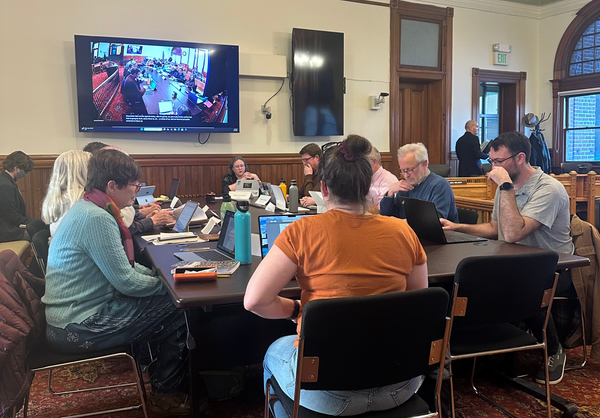
Twelve people have been cleared by DoC, including Lily Haight, to do the volunteer training, some of which have completed the training. There is an intention for the people in the solidarity group to build relationships with one another and to travel together as a new community that helps make that sacrifice easier. There was also a separate training to learn how to interact with people living in prison, to be respectful, and to keep clear boundaries. “People are getting excited about talking about what it means to be in solidarity with people who are incarcerated,” Haight said.
While in a recent restorative justice training organized by superior court judge Brandon Mack, Haight had an awakening when a participant asked, “What about the people in the prison? They're a community too, right? People live in the prison. There's people who work in the prison, janitors, nurses, guards.”
People from all over the state participate in these isolated community environments. And they deserve safety, too. “When we're talking about community safety, we can't exclude them,” Haight said. “In fact, I've even heard our local prosecutor or our local judges say in sentencing hearings, you'll receive treatment in prison or you'll receive medical care in prison. They have all that there. And then when you actually talk to people who have been to prison, and you hear their real lived experiences, the absolute opposite is true.” Haight reveals.
Volunteers will come back with a knowledge of their extended community. As opposed to a belief based in convenience, there will be more voices with experience based evidence to reflect what care is being offered in the prisons. Peninsulas Prisoners Solidarity encourages curiosity about different parts of their community, and innovative ways of supporting those on the fringes.
A showing of Since I Been Down will be on Saturday, January 18th, 7 p.m at the Rose Theater. There will be a panel after the movie with some people who were in it, and an opportunity to talk with current volunteers about how to participate. All ticket proceeds go to the Black Prisoners Caucus.
Corrections: An earlier version said that the documentary was shown in 2020 at the Legion Hall, and that there are 13,714 people living in prison on the Olympic Peninsula.