So You Want to Talk About Potholes

News Analysis by Nhatt Nichols
If you spend any time on social media, you’ll notice that every post about the city spending money on something is met with a myriad of comments asking why they did X instead of fixing the potholes.
Somewhere in those comments, you’ll probably find a frustrated budget geek attempting to explain how city budgets work and that the money spent to fund new sidewalks uptown couldn’t be used to fix potholes because it was from a specific grant (full disclosure: I’m that geek, and I’m sorry).
Sometimes, it’s not even that the money was earmarked from one particular grant; instead, a project is funded from a whole other entity (the Washington State Department of Transportation was in charge of the oblong-about near the Penny Saver), or money has been budgeted for a completely different project ($500 for a poet laureate instead of several million for a new road).
The truth is that potholes are complicated, even if you feel like they shouldn’t be. It’s hard to get grant funding for maintenance, and a number of factors mean that Port Townsend is in a unique position to be riddled with potholes.
Why are there so many potholes?
“So you have to go back into Port Townsend history to understand the whole scheme. But there are several major contributors,” Steve King, the Director of Public Works, said.
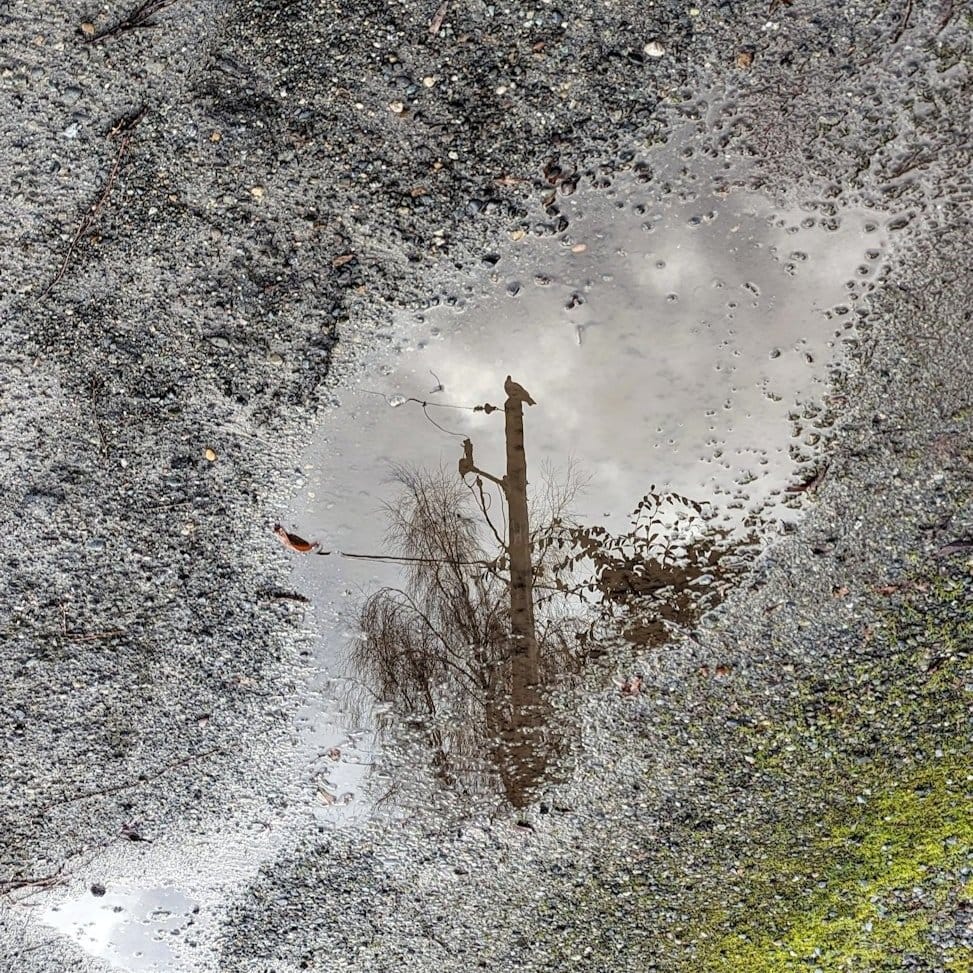
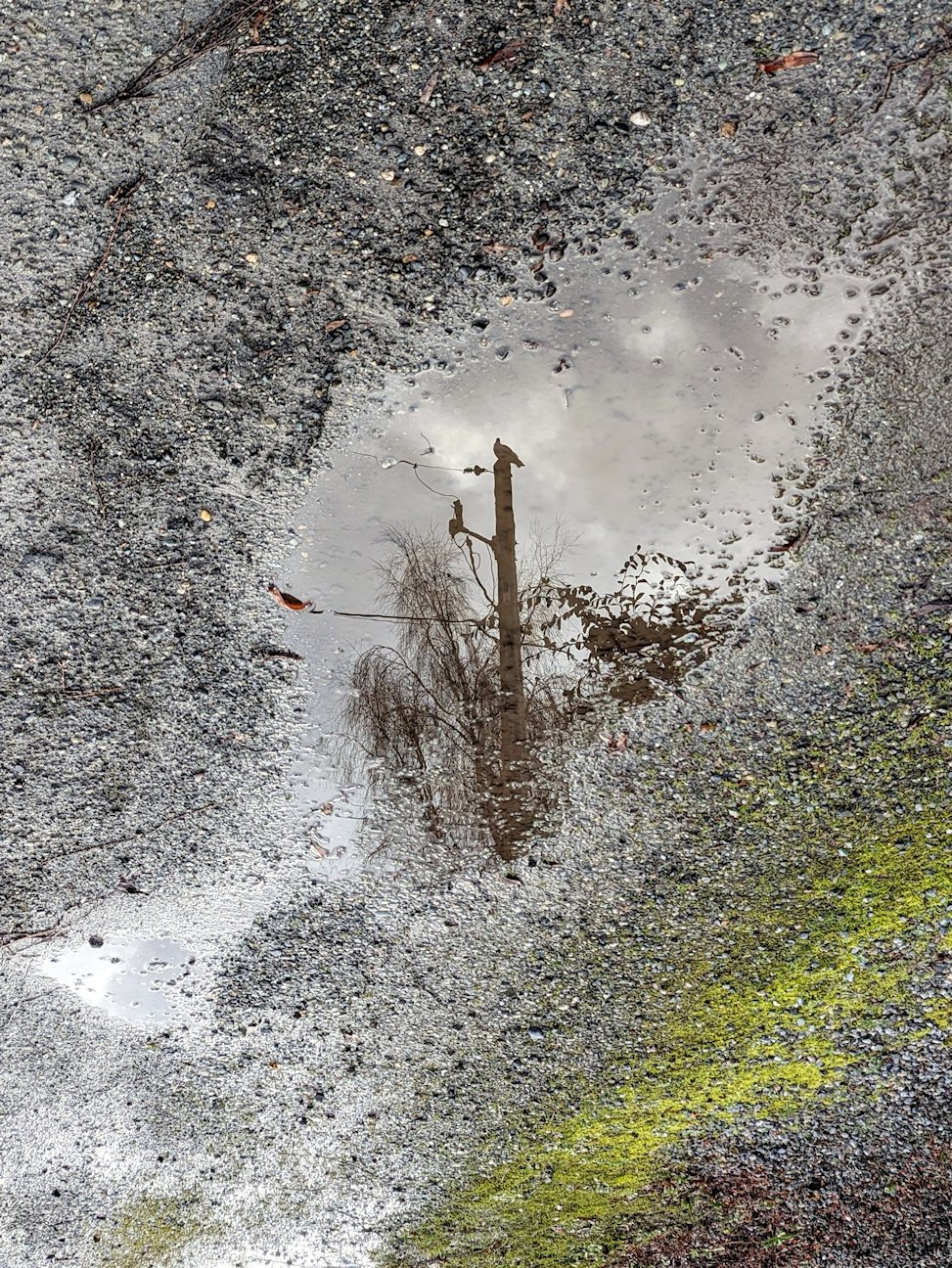
[caption id align="alignnone" width="567"]
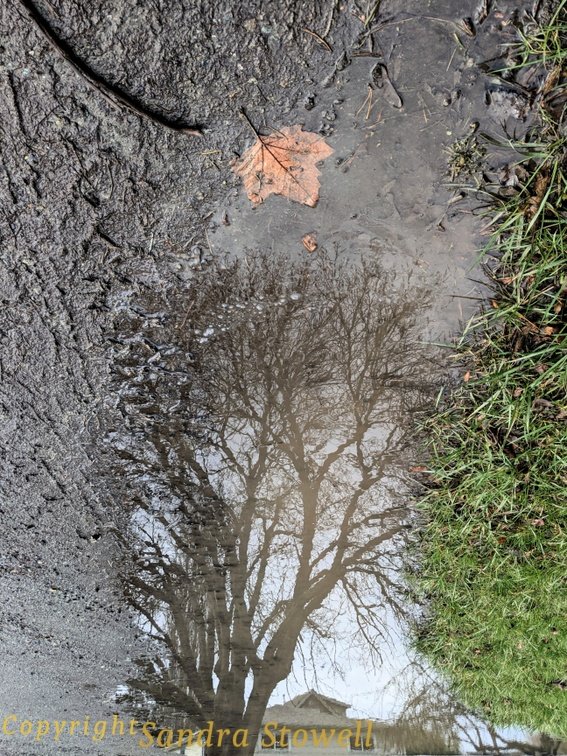
Photo by Sandra Stowell [/caption]
Port Townsend was initially developed to be a big metropolis, the San Francisco of the north. However, thanks to a combination of economic challenges, that honor went to Seattle instead. Unfortunately, many of our roads had already been created, giving a very rural city more roads than it could afford to maintain. “We have 88 miles of roads that we maintain for our population of 10,000, and that's a huge tax burden on the population that lives here,” King said.
Furthermore, the roads in Port Townsend were poorly built, as the city experienced a substantial economic hit when it didn’t grow the way it was expected to. Instead of using layers of gravel and asphalt, the original road builders only used oil to keep the dust down, and then a really thin layer of rock and oil called a chip seal.
Things that started badly have only gotten worse over time, especially in the 2000s when several inititives led by Tim Eyman cut state funding for local roads maintenance. “Many cities either completely stopped maintaining roads, which was the case of Port Townsend,” King said.
Eventually, state legislature realized they had a problem and enacted the ability for districts to raise money locally. Though many cities started passing measures to repair local roads around 2010, Port Townsend was a late adopter of this local taxing system and didn’t enact a .3% tax until 2023.
According to King, the only roads that were fixed during the 2000s were ones that the city recieved grants for, like F Street and San Juan. “I'm actually kind of shocked that they lasted as long as they did, but now we're really feeling the pain,” King said.
The only repair that the city has been able to do over the last 20 years is fill in potholes with a cheap product called cold mix, which doesn’t work as well as grinding the pothole out and repairing it with hot asphalt. Using cold mix usually just results in another pothole forming nearby.
One final factor contributes to the state of our roads: poor drainage. Over the years, the ditches have filled in alongside the road, allowing the water to sit on the edge of the pavement and soften the ground underneath, breaking the pavement.
“If you look at a lot of our streets, they are breaking up from the outside and moving their way towards the center of the street,” said King.
Over the past few years King’s department has been busy attempting to reinstall ditches and rain gardens to improve street drainage before they attempt any major resurfacing work.
So, if we now have a tax that funds local streets, when are the roads getting fixed?
Though we’re in a better position to fix the roads than we’ve ever been, King warns us that the changes are going to be slow to come.
“Because we are changing the way we repair roads to do more quality repairs that will last longer, we expect it to get a little bit worse before it gets better because it takes more time to do it right. But our hope is that by doing it right, we can actually take small bites at the apple and get ahead of the streets over time,” King said, asking for grace and patience while they work towards a more sustainable way of making and repairing the streets.
Two streets will get a facelift this year, thanks to the Washington State’s Transportation Improvement Board (TIB) funding. A $2.99 million dollar grant will fully repair the Lawrence Street subgrade and surface, as well as sidewalks, between Harrison and Walker Streets, completing a near-complete rebuilt that was started in 2024.
A second grant of $260,000 will be used for chip seal paving along sections of F Street and San Juan Avenue as part of a larger chip seal project intended to preserve streets on the verge of failure.
Between grants and the .3% sales tax that allows for more hot asphalt pothole fixes, we should slowly start to see improvements in our roads over the next few years.
What are we supposed to do about it?
One thing both King and City Operations Manager Brian Reid have made clear is that people are not supposed to fill in their own potholes, regardless of how tempting it is to do so. According to Reid, it can be tricky to fix a pothole correctly, and it can be counterproductive to tackle it yourself. “Yeah, let us do it, Reid said, “There's been different materials in there, and typically, when we go to repair them, we have to take the material out and dispose of it, so it's best to report it.”
Instead, it’s best to report potholes to the city’s website. During the last week of the month, the city’s road maintenance team addresses all of the potholes in the order in which they are received, and if there are more than what were originally reported, they’ll tackle those, too.
“If the request came in for a certain street, they'll knock out [all] they see on that street. If the equipment's there, they're going to do more, because they have the hot mix asphalt there. They have the machinery out, so they're gonna patch the potholes on that street and move to the next one,” Reid said.
Are you sure there is nothing else I can do about the potholes?
There is one thing you can do: you can find them beautiful. Mixed media artist Sandra Stowell has created an entire gallery of beautiful worlds captured within our local potholes.
“Some years ago, I took my daily walk during a winter snowstorm that was so magical I took a much longer walk, and that became a daily habit during the Covid pandemic,” Stowel said, continuing, “Street potholes force me to look where I step! I couldn't miss the beauty of reflections on sunny days or the way fall leaves decorate the puddles.”
Even Stowel admits that though she doesn’t hate potholes, she doesn’t always find them charming when she creeps over them at 2 MPH in her car. Perhaps you can also find the beauty in them, even if it’s only for a moment before you send the pothole’s location to the city.