The Intersectionality of Grief: Soulfulness Factor
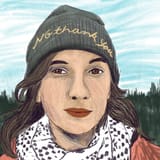
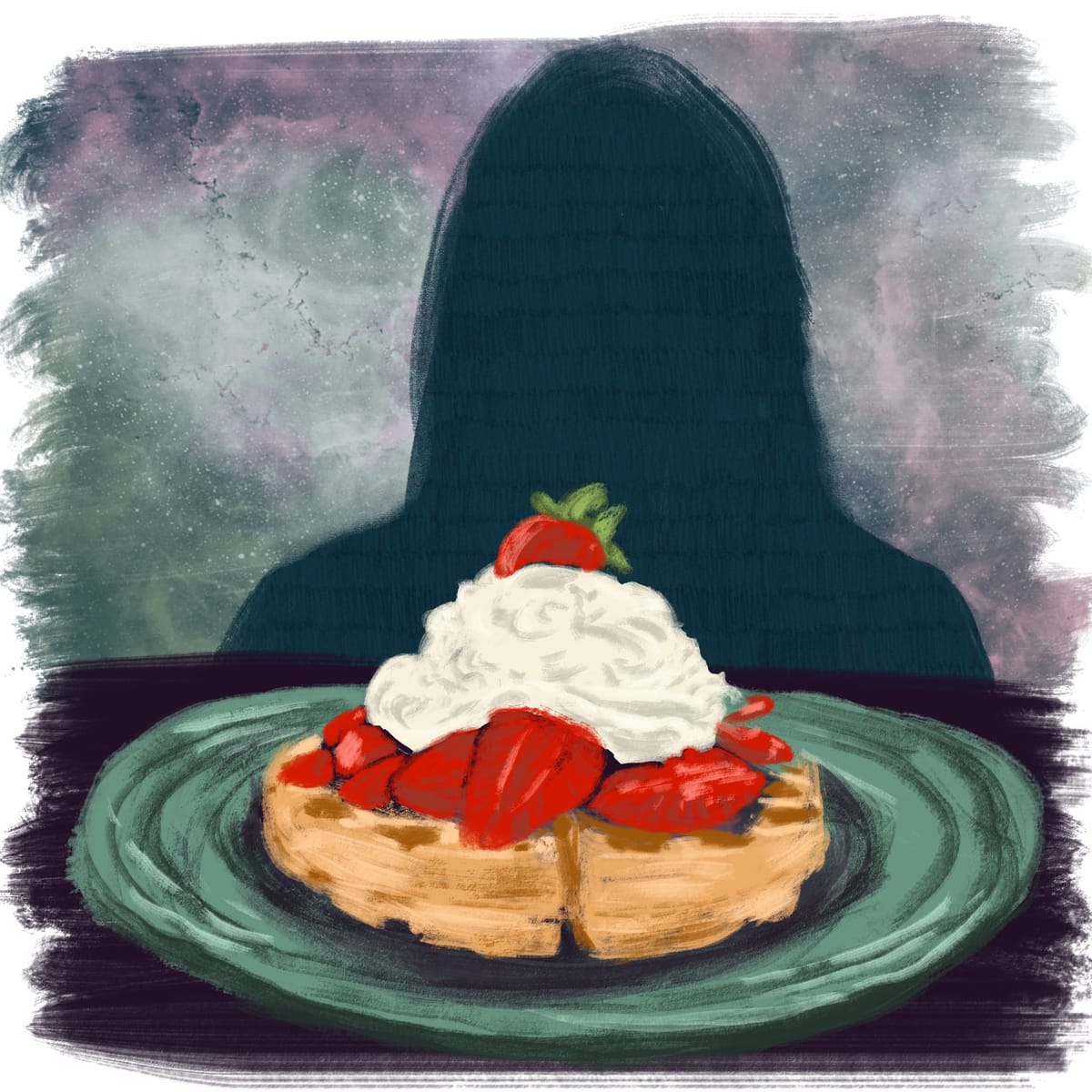
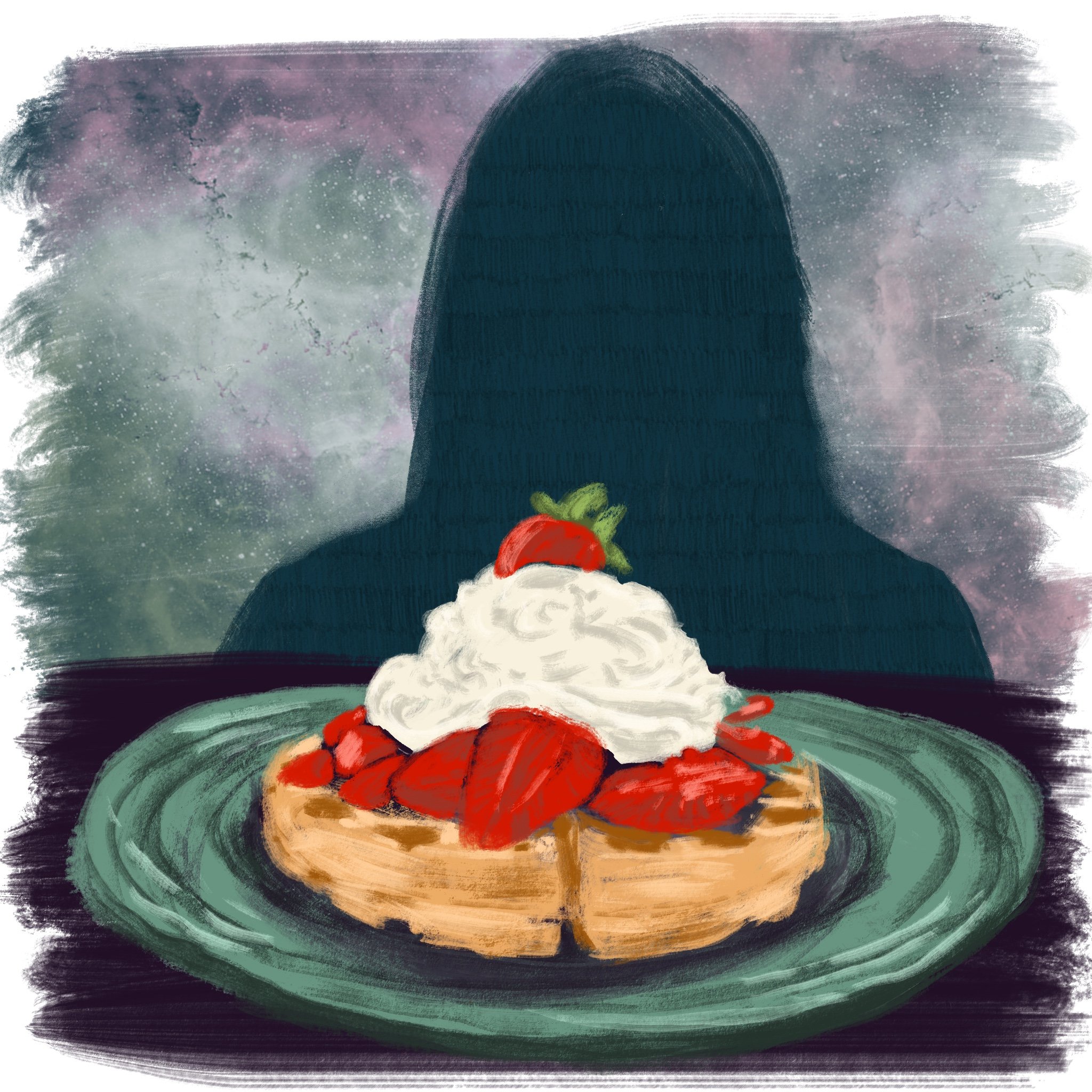
Illustration by Nhatt Nichols [/caption]
By Angela Down
Over dinner, Jim mentioned his experiences with being a support through assisted suicide for several loved ones. We met when he agreed to have me watch his house on Marrowstone Island last spring. With my curiosity and his willingness, we took a walk together on Indian Island to talk more. The following are his thoughts on grief, loss, and the soul-expanding opportunities life brings us.
“I had a partner that did not want to use extraordinary measures to stay alive. On a Thursday we were having a breakfast of strawberry waffles at a little restaurant and she found her situation was more immediate than she had thought. She had been fighting cancer, and doing everything she could to keep it at bay, but it turned out, it was going to cause great discomfort. She would not be able to lead the life she had been leading and she decided to end it. Within four days she was gone. For it to happen with such immediacy and with such a vital person, it was hard. And at the same time, I think dying young, dying vital, people care, people are there, you're sorely missed.
I think they asked me to help because I was the one who was there. My partner, my close friend, you know. I certainly had made myself available to their needs. And would again in a heartbeat. I don’t know if honor is the right word for it, but being with somebody when they are in their no bullshit faze is a wonderful experience with edges.
Albert was my friend, and he had lost it mentally a couple of times where he couldn’t even speak. He didn’t want to go that way. He worked hard at everything he worked at, quiet and very strong. You’d shake his hand and it was kinda like, ‘Oh please don’t squeeze Albert, I’ll end up like a tube of toothpaste.’ Why we connected, I don’t know. We’d gather once a week about, and drink beer, I’d play the mandolin, and we’d talk, and that was for some twenty five years or so. He did not want to continue, so he decided he would quit eating and drinking. But he just found he could’t. He would do ok on the eating, but the drinking was impossible. He had enough dementia that he couldn’t remember that he wasn’t supposed to drink to meet his end. The dementia was hard for him. He didn’t particularly want to go through the process, and he didn’t want to make a mess, and he didn’t want to put anybody out. So there wasn’t much discussion, we just talked like we talked. We got hospice involved because he was going downhill, he was suffering some on account of thirst and food. I have a doctor friend who is involved in hospice, so when we got him involved, then he could get him some morphine and ease everything up and then it was quick.There was never any question of whether he wanted to do it or not. That was never part of the conversation, the conversation was about good times and life.
And the same with Robbie. She was committed to ending it, and so she got her doctor to give her some morphine. That didn’t work because she couldn’t keep it down, so we ended up in the ER. She told the doctor she wanted to die, so they put her on a morphine drip and 24 hours later, she was gone. Not easy to watch. Monitoring vital signs is hard. And then my other friend, just down the road, had fibrosis in his lungs. That was a surprise. I came back from a trip and he looked like hell and was taking oxygen. We would just visit, and play dominos, and say goodbye. I suppose you get into the gestalt of the thing, like it's gonna happen and I hope I have a friend or two along. Robbie, who was in her 50s, had so many friends. The room filled up, there was pizza, there was beer, it was loud, and outside there were maybe 30 people doing a silent vigil. I think her spirit had companionship, which is rare and wonderful.”
We are walking along the water and I am reminded of the fear of loss that comes with loving. Will I be crushed by the weight of the grief, or can I transform attachment into expansion and embrace the freedom death offers?
“I think soulfulness hugely expands. And that's something that's in there. I don’t want people taking care of me, but at the same time, I learned so much and gained so much by taking care of my brother that it takes on a little bit different perspective. So I think at the end of a year or two of that, the soul factor is so expanded, the compassion, the empathy, that it turns into a wonderful experience.
At some point, it’s kinda in us. I have extraverted tendencies, and know a lot of people because I’ve worked a lot of jobs. Those people are in here and speaking, and sometimes, I feel like a community myself, with all those really amazing qualities. It’s painful to lose friends, but not entirely unexpected. All of us are in that boat rolling along in unison, just having lived a life. And it doesn’t have too much of a scariness factor to it. My brother is with me all the time. Just in, genetically, which is kind of a strange one. You see your hands do something and think, ‘That’s Jay, not my fault I did that.’”