The Intersectionality of Grief: Myth and Music

By Angela Downs
Judith-Kate Friedman is the founder of Songwriting Works, steward of Myth Legacy Project, coach of Aliveness Through Arts, and an award-winning performing artist. We met two years ago when I came to her home at Mossy Rock to offer my support as a home caretaker. This week, we spoke about grief in music and myth and how she came to her place of multidimensional understanding.
She began, “I had a traumatic birth, so I had been aware of death even before I came out of the womb. My father passed away when I was seven and a half, and I was raised by a single mom in the 60s in New York City and was a latchkey kid for the most part. Death has not been unfamiliar to me my entire lifetime.”
As I sip my ginger tea, she unfolds the woven, untouchable, but deeply felt material of death and sound.
“My mother was a song carrier in our family, so I learned some of the Yiddish art songs from her. Often, they were social justice songs. All of Civil Rights music is looking at not only struggle and liberation for people, but was a matter of life and death. If you listen to joyful music in Eastern European and Jewish music traditions from different parts of the world, it's not in a major key, it’s modal, or it's in minor, but it's still happy. You have this mixture of sorrow and joy, and that's always been my favorite music.”
As I think about the nested truth of sorrow and joy, I feel the relationship of the two as a building of momentum. Their simultaneous nature manifests a dependency on the other to move time forward. Judith-Kate continues in her vulnerability, widening the scope of sound and connectivity.
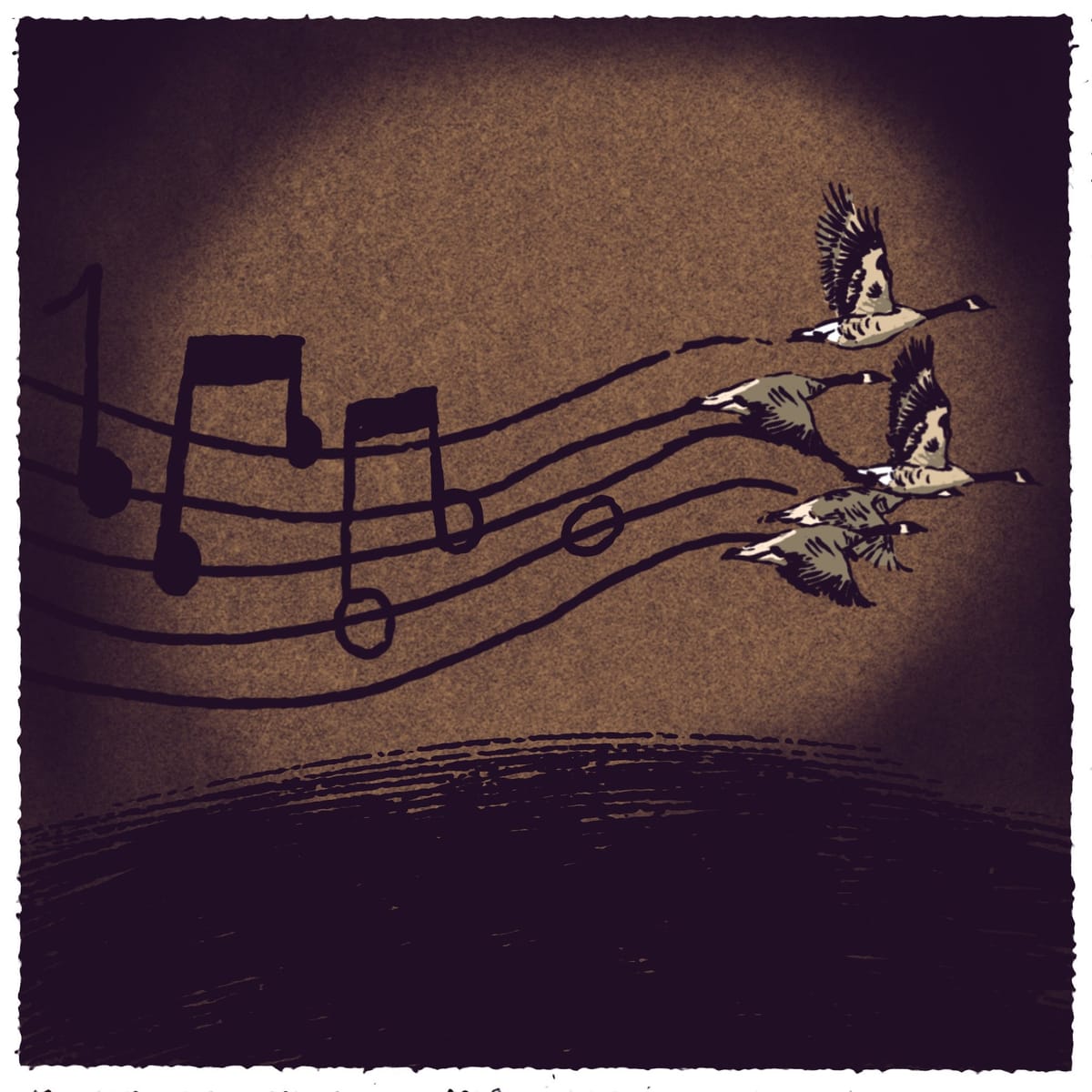
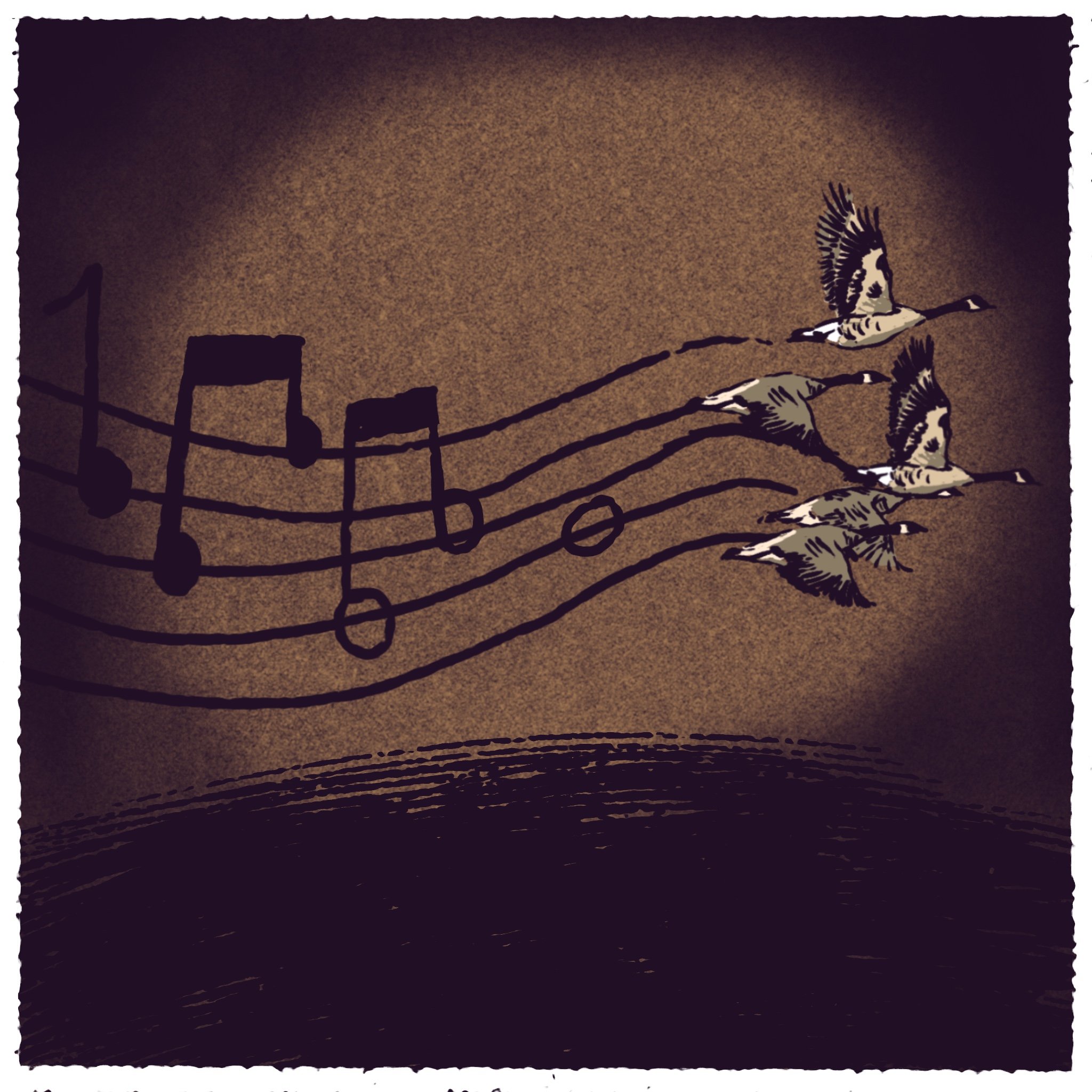
“A majority of people are visual orienters, and then there's some of us who are sonic orienters, like a bat; that’s how I find myself able to relate. You can't really sing for too long with a closed heart. In terms of neurophysics, there's a cogency that can be created by sound waves. Humming, you can align your whole cellular structure through the making of sound. It stands to make a lot of sense that sound also has connected people profoundly to each other. Without music, there would be less connection, and with music, there's more entrainment to rhythm, like this idea of murmuration, the way that birds fly together. I think that singing is a birthright and the human body is a great, amazing musical instrument.”
I’m beginning to understand that “holistic” doesn’t just mean more than one organ relating to the others. It’s even more encompassing than head to toe; it’s the whole of the environment mirrored and living vibrantly inside. What happens across the globe has a life and action inside of my system. And the pain I feel is embedded into the environment. It’s all shared, and all sharing. “Part of the reason that climate denial exists or that mistakes are made or that negative, harmful things get perpetrated is because people won't grieve,” Friedman continued.
Music helps us see and feel our connectivity to all things and process the enormity of reality. It’s a blessing to be a unique being, but it can sometimes be isolating. In the last year, I’ve put a lot of thought towards the pursuit of finding solutions to modern problems by bringing old technologies into our current times. One tool I have found confidence in is myth and storytelling. Friedman has recognized the power of myth as well.
“Myth gives us a vocabulary, a set of instructions in some cases that differ from story to story and culture to culture. Examples of how to live and examples of how to survive misfortune, be it born by non-human or human forces,” Friedman says. “The biggest challenges are the human ones. It's what humans set up that helped humans have such great losses. The myths that Daniel Dierdorf carried were not focused so much on the hero as on the trickster and those who were other. So, anyone who is other, and any part of us who is othered, there's the grief of being left out. There's the disappointment or grief of not being able to do what we hope we'll be able to do, like with illness or aging or life circumstances or oppressive circumstances that might impede somebody from being able to freely express themselves or even get the extra resources, or of learning and having experiences.”
Judith-Kate told me about the gestures that arise out of myth and how humans adopt and use them in their daily lives. Human movement is a technology for transformation and our first tool of communication. Movement, music, and myth, all the foundational elements of humanness, all available to access as a response to difficulty and loss.
If you are interested in working with Judith-Kate in her coaching sessions, want to check out the legacy work, or are interested in her work with writing music with elders, check out these websites:
SongWritingWorks.org, AlivenessThroughArts.net, and MythSingerLegacy.org