The Intersectionality of Grief: Transformative Rituals with Jen Hauser

By Angela Downs
“My name is Jen Hauser. I am a human on Earth.”
Hauser and I met in a grief meeting they held over Zoom. I lived in Maine; they lived in New Mexico. Four years later, we are sitting together in the parlor at Kalma, where Hauser hosts dialogues on death and grief.
“I call myself an edge walker, a threshold tender, liminal space dweller, grief worker, death worker, syncretic ritualists. I'm supporting people in building their own rituals. I'm there, but I'm a conduit. As a person who has often had my grief co-opted by caregivers and people in power, I want to be clear that I'm not a special, magical, all-knowing person just because I call myself a grief worker.”
“My initiation into the work was planning my best friend's funeral in Wisconsin with a group of people who were young; we were all 15 to 18. The Aurora Borealis was out, and we were walking down to the pond, and I just lost it. My heart collapsed into the mud, ugly crying. I talk about that collapse feeling all the time; it's a unique form of release. I'm trying to find ways to offer experiences that allow for that full collapse, and also containers that allow for microdosing that collapse because it's quite intense. There needs to be a lot of thought and care that goes into it. Those containers are emergent and transformative and ever-changing.”
I met this feeling of collapse at a similarly young age and have met it since. Through it, I investigated a somewhat dangerous beaconing from the earth to pour all of my transformative death from the caverns of my heart into the caverns of the land.
“My work is to empower people to get in touch with themselves and their needs. I also want to stay rooted in care and safety. Working collaboratively, you have continual check-ins of how far someone's ready to go. I personally have become damaged because of opening up when I wasn't ready to, especially to grief. I serve to be a listener or witness. I can offer practice or death meditation or ask if there’s a special place they want to go. All of this applies to end-of-life planning, too. That is also a big grief ritual, whether it's supporting the person, the caregiver supporting the dying person, or if it's working with the dying person to ritualize the last bit of their life. Sometimes we're planning something really big, other times something simple.”
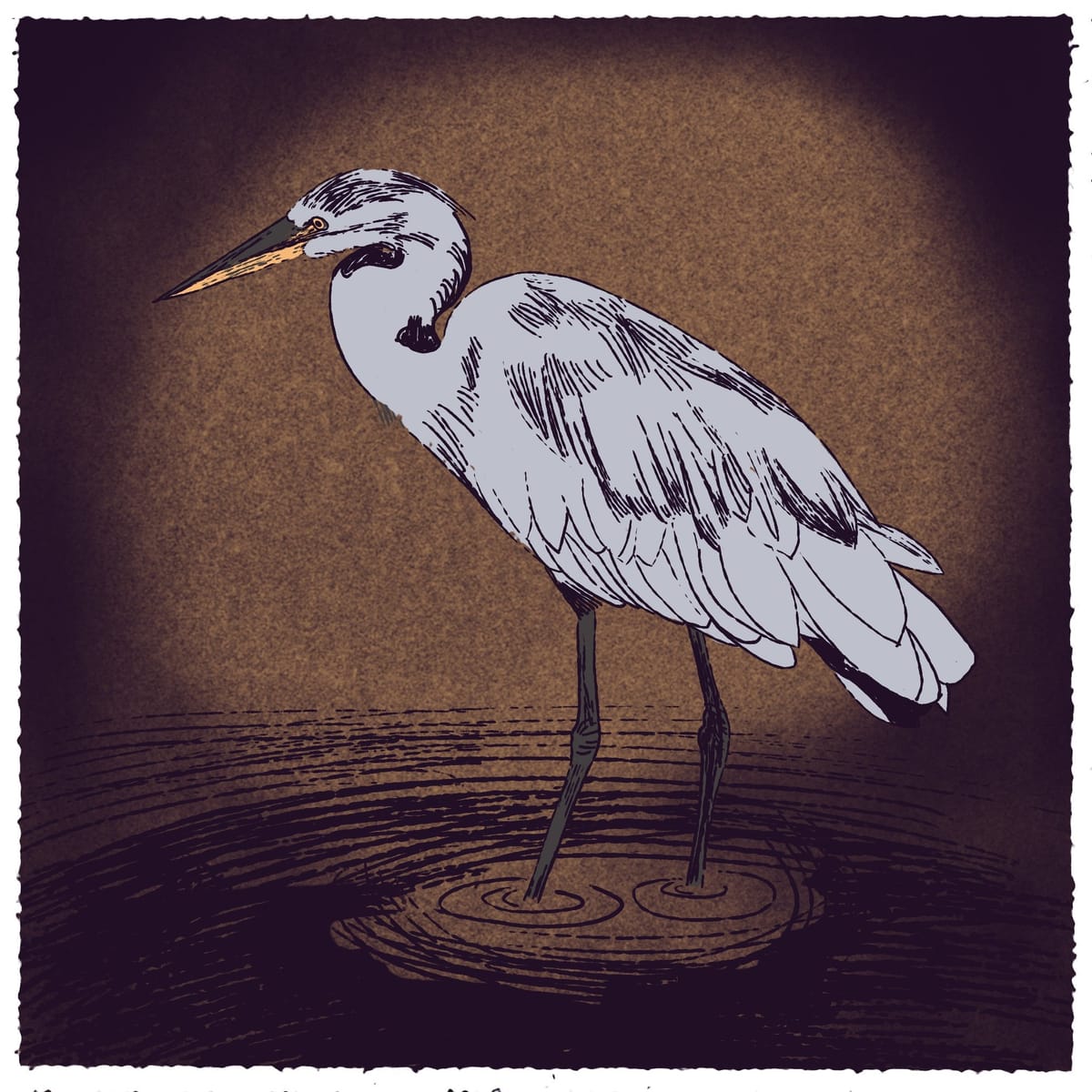
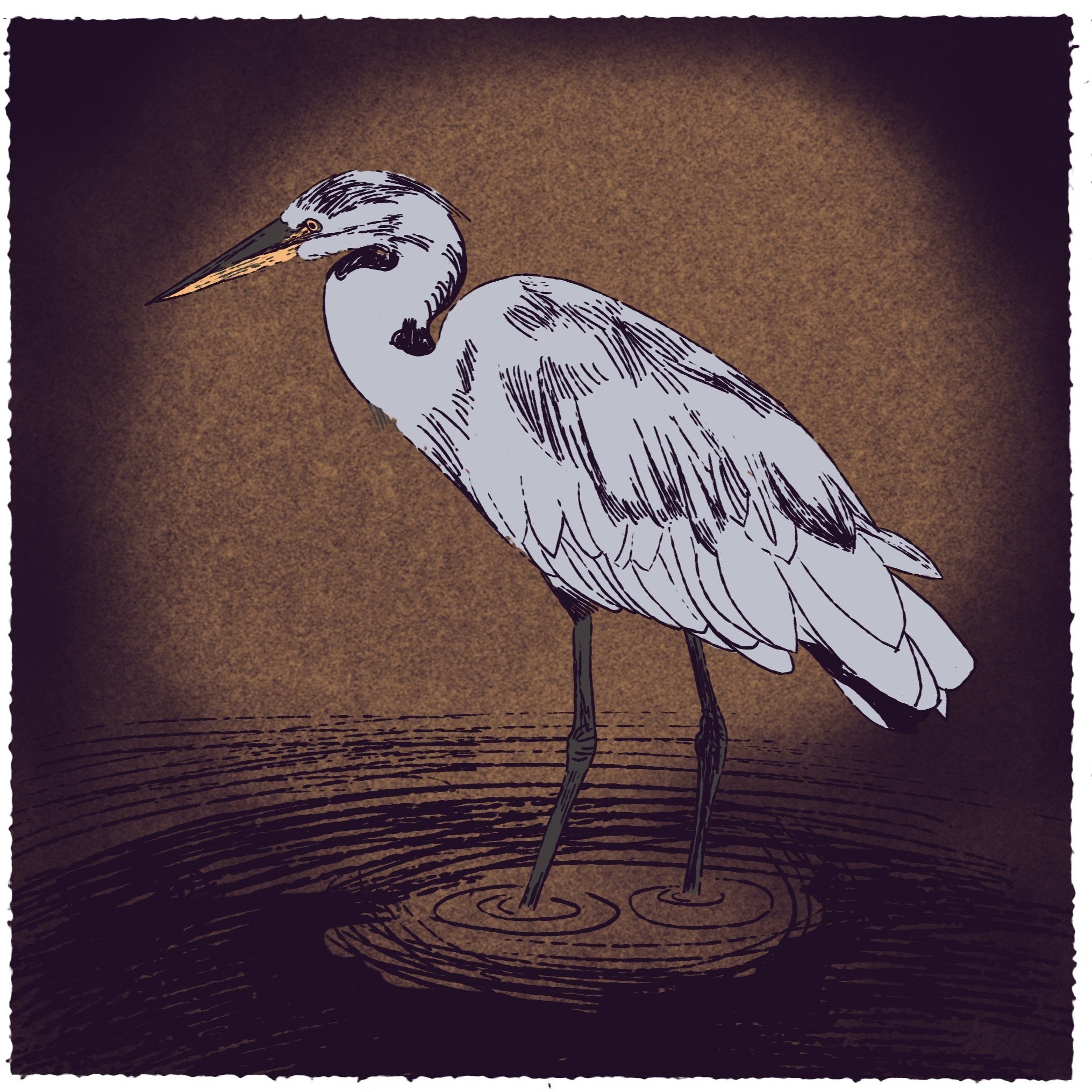
People are coming into the store asking AJ, Kalma’s founder, what this curious goth place is, a person working on personal projects in an armchair, and Hauser imagining a death ritual with hot air balloons and herons.
“One thing I want to have more of is the dreaming phase of ritual planning, where you just get to say the most grandiose stuff, getting into the play of the expansion. Then you bring it down from there. Then you say, “In this realm, how can we cultivate that feeling from the essence?”
I understand the intention of bringing imagination into practical terms, much like anthroposophy, exploring the relationship between the spiritual world and the physical world. And I’m feeling into the memories of sterile funeral homes and silent family members who didn’t have the opportunity to lean into their imaginations about what death can be. Hauser speaks about expressing through community support and historical tradition.
“I love to learn about different people's ancestral traditions. For example, relating to Irish ancestry, there's Keening, and there's the Banquincha, a group of, historically, women that would get together to keen or come and share a specific type of song. It gave them room to express more outwardly because there were other people in the room.”
I wonder where our connection to death has gone over time. Is the industrial revolution and capitalism to blame?
“It's being made pretty clear that what we have is each other and that most of the systems that are in place have failed a lot of us and are continuing to fail a lot of us, and that in itself is a huge thing to grieve. But we can build relationships with each other and do things in a more collaborative way, empowering each other to lean into our gifts.” Hauser says with hope.
If you would like to check out the work of the Dying Matters Guild, and keep updated with their events, you can visit https://dyingmattersguild.com/index.html#/. And if you’d like to work with Houser, you can email them at: undertow.mortality.guidance@ gmail.com