The Intersectionality of Grief: Smoke Gets in Your Eyes

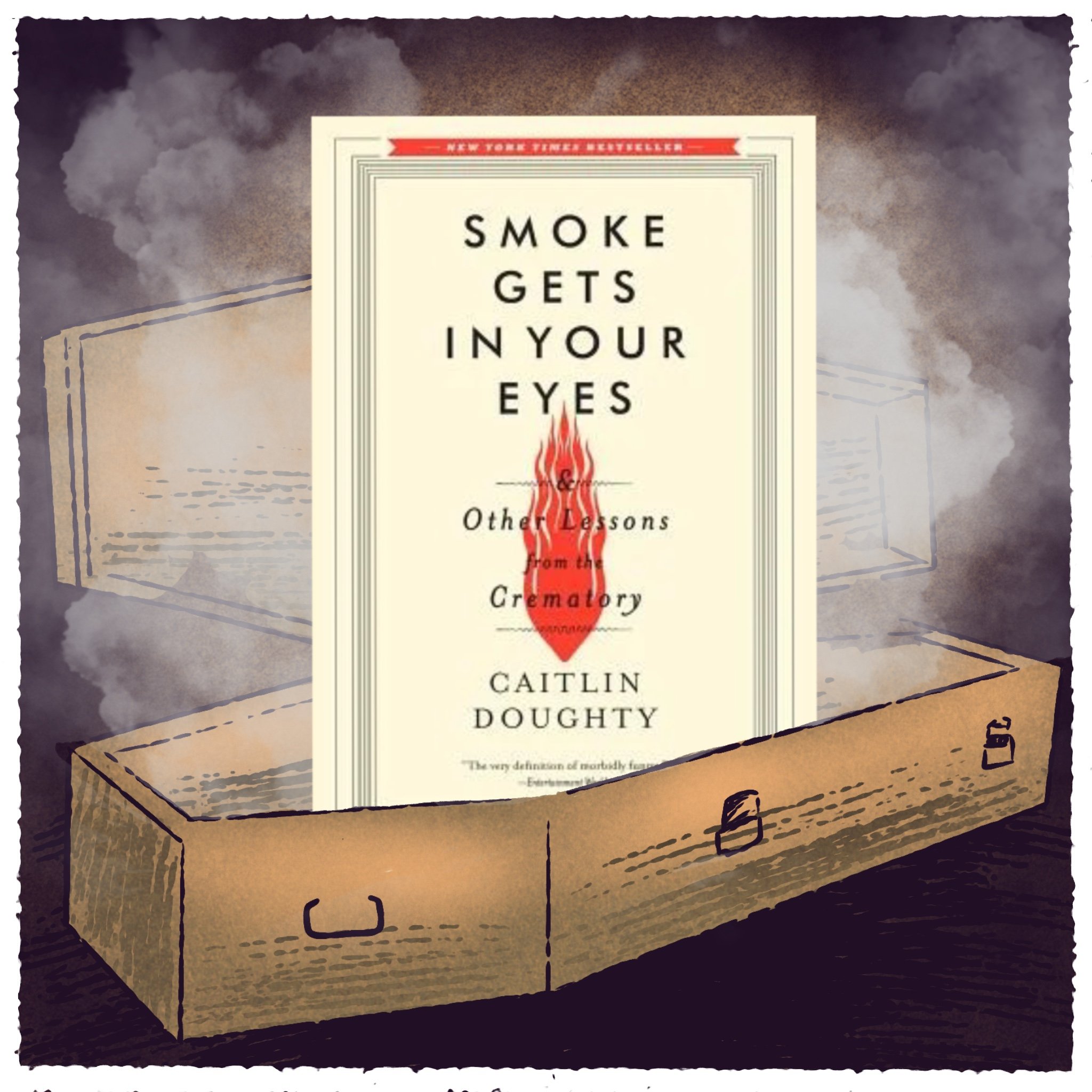
A Grief Column by Angela Downs
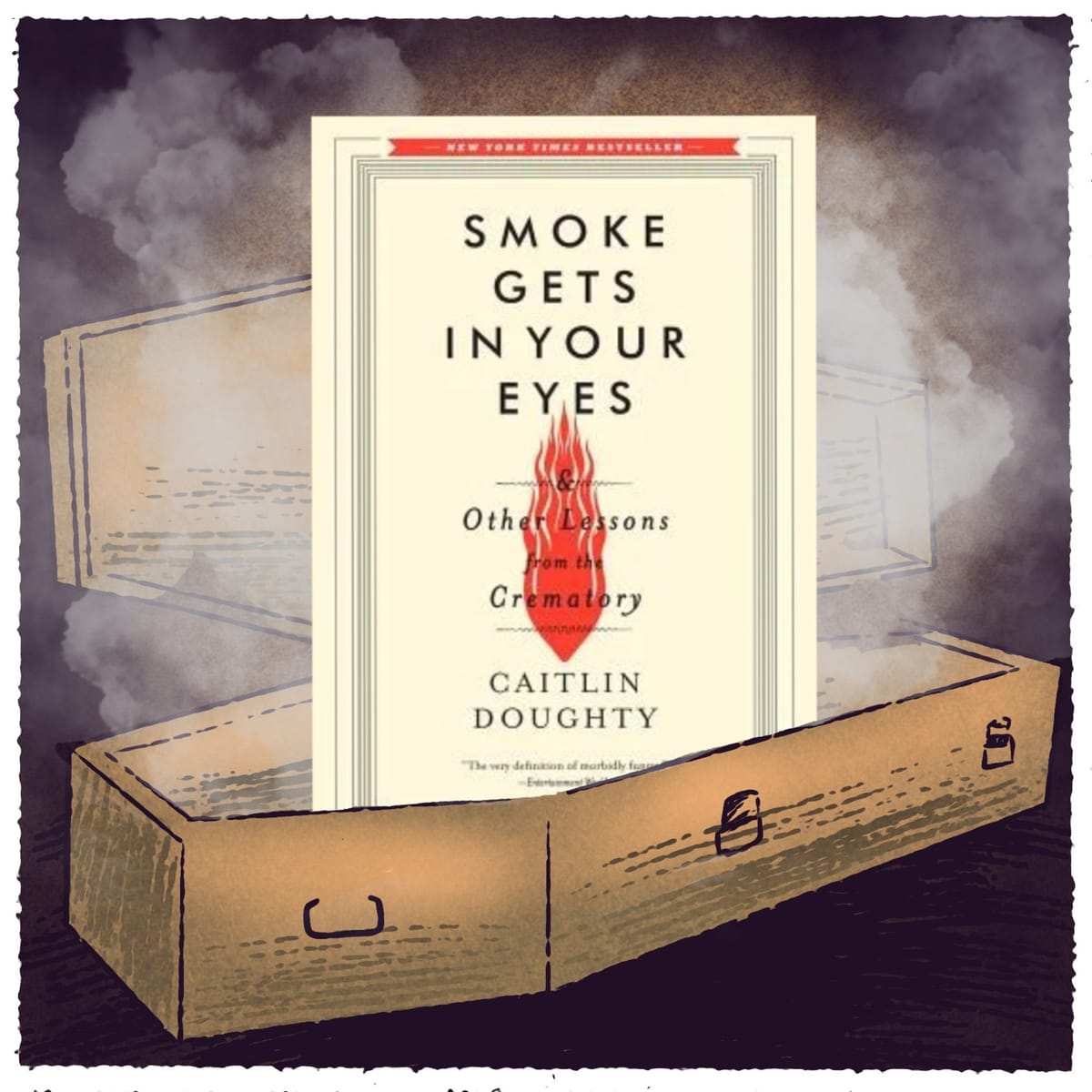
My paternal grandmother had early onset dementia at around fifty years of age, which went uncared for until her eighties. I was twenty-four when I moved in with my cousin and uncle in LA to try and help the family with their transition needs, and to take the last opportunities to be with her. During this time, hallway chats about familial observations and considerations about the process of death were common between my cousin and me. She would often suggest ways to challenge my bias and offer resources. One of her recommendations was to watch the YouTube channel, Ask a Mortician. On this channel, mortician Caitlin Doughty covers historical deaths, fact-checks movies, shares trade secrets, and much more, all with charm and humor. Over the years, I have read several of Doughty’s books, the most recent read being, Smoke Gets In Your Eyes and Other Lessons from the Crematorium.
In this book, Doughty reveals the daunting lessons she learned as a young mortician in her first crematorium. From the giant refrigerator where they keep the bodies in cardboard boxes, waiting for their turn in the fiery caverns, to the ideal times of the day to burn larger bodies versus infants and frail elders, facing suicides and science donations, and the family members that come with them.
“Whether my mortality caught me at twenty-eight or ninety-three, I made the choice to die content, slipped into nothingness, my atoms becoming the very fog that cloaked the trees. The silence of death, of the cemetery, was no punishment, but a reward for a life well lived.”
— Caitlin Doughty
Caitlin was a young person filled with ungrounded fantasies about re-humanizing the future of the funeral industry. But while she may have been riddled with the fear of death and bold in her ignorance, she held true to her fundamental beliefs that something was missing in all our lives; we are dissociated from the truth of having a body and the process of that body dying.
“In fact,” she writes, “I had indulged that impulse when I came to Westwind [funeral home] with the naive idea of someday opening La Belle Mort, a funeral home for the one-of-a-kind, personalized death. But what we needed wasn’t more additions to the endless list of merchandise options. Not when we were missing rituals of true significance, rituals involving the body, the family, emotions. Rituals that couldn’t be replaced with purchasing power.”
A light read into alternative death care, and you're met with resistance and fear of even the suggestion that people not only should but have a right to interface with decay. In The United States, we are afraid of our dead. How have we come so far from the days we cared for our dead with our own hands? Doughty writes of the balance between dignity for the families and the bodies and the efficiency and stoicism of a high-load San Francisco crematorium in such a way that brings to mind the image of a butcher processing a pig or a hunter packing an elk. The wisdom and ritual that comes from a master craftsman, each slice of the blade against flesh holds reverence and efficiency, following the breath.
It’s easier to respond in moments of change and stress when our daily lives have been lubricated with ritual as well– moments allocated to connect with the omnipresence of death. Not all of us are meant to become craftsmen of death, but Doughty suggests we value the freedom to care for our dead and dying, imbuing our experiences with the richness of ritual, and to request options for processing our dead. More options than the embalming, coffin and headstone, or the ol’ fire-and-brimstone of cremation.
Doughty ends her book, “I thought of the things that culture teaches us to fear about being in a cemetery at night… At the moment I was alive with blood coursing through my veins, floating above the putrefaction below, many potential tomorrows on my mind… Whether my mortality caught me at twenty-eight or ninety-three, I made the choice to die content, slipped into nothingness, my atoms becoming the very fog that cloaked the trees. The silence of death, of the cemetery, was no punishment, but a reward for a life well lived.”
You can find Smoke Gets in Your Eyes and Other Lessons From the Crematorium here.