Who Wants to Be a Congressperson, Part One

Election news and commentary by Charlie Bermant
The retirement announcement by six-term Democratic Congressman Derek Kilmer last November triggered a scramble to represent Washington State’s 6th Congressional District, which has a population of 773,605 (32,977 in Jefferson County) and includes the entirety of Jefferson, Clallam, Kitsap, Mason, Gray’s Harbor and parts of Pierce Counties.
After filing week, five declared candidates have emerged; Democrats Hilary Franz and Emily Randall, Republicans Drew MacEwan and Janis Clark, and Independent J. Graham Ralston.
After the August 6 primary, the two prevailing candidates will advance to the November 5 general election, regardless of party.
In this first installment, we connect with Franz, Ralston, and Randall. MacEwan and Clark will join us shortly.
All discussions were edited for length and clarity.
Lands Commissioner Hilary Franz, 53
[caption id align="alignnone" width="2000"]
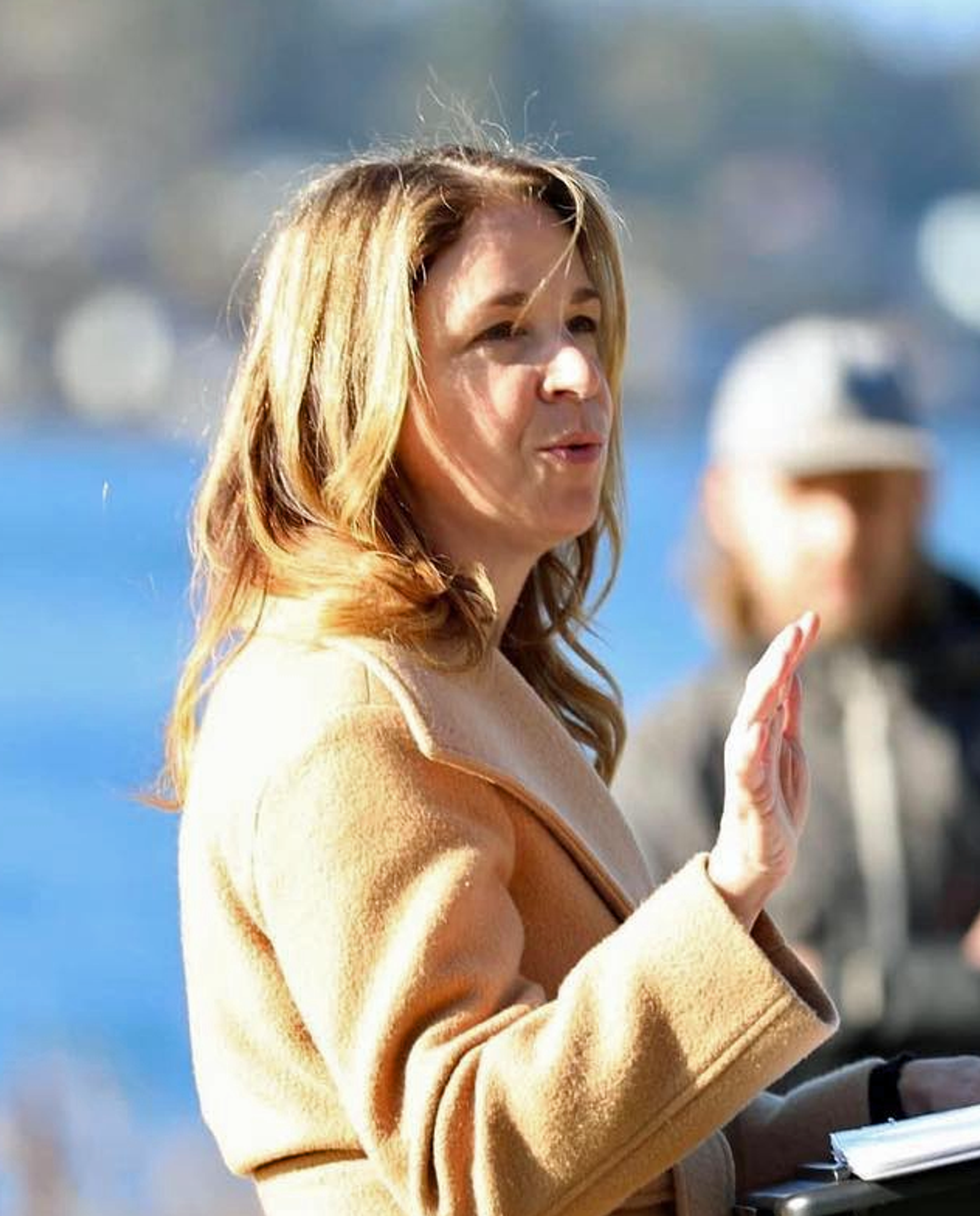
Photo courtesy of Hilary Franz [/caption]
What can you accomplish as a freshman congressperson? If you are elected, it’s uncertain whether you will be in the minority or the majority.
On day one, I will have some of the most experience in Congress on the issue of emergency response, everything from wildfires and floods to natural disasters. These are issues that again transcend Republican and Democratic boundaries, along with state boundaries. I have significant amounts of experience that others in Congress, Republican and Democratic jurisdictions will be looking to me to develop the resources needed to respond to these disasters.
I will also bring experience in how to respond to a change in climate and the impact it has on our communities. Every state and county is looking for how do we make our and communities more resilient to climate, but do it in a way that is not going to limit jobs and economic security.
What are the concerns of Jefferson County that you would address as a member of Congress? It’s only a small part of the district.
Jefferson County, like much of this district, is not immune to climate change. Year after year, we’re having more fires on the west side of the cascades, more fires in the Olympics, more than any year in recorded history. A lot of that was in the sixth congressional district and much of it was in Clallam and Jefferson Counties.
Jefferson County is especially vulnerable as it is surrounded by large bodies of water and contains and enormous amount of forest lands that are susceptible to the increasing drought.
Housing is front of mind here in Jefferson County.
We have a high population of kids in the school districts suffering from home insecurity. This is truly unacceptable. We can’t rest ourselves until we bring everyone in from outside and make sure that people can actually afford housing. I'm already been leading in this role at the Commissioner of Public Lands, I have identified our residential properties throughout the state that currently are largely vacant land or surface parking lots.
In Congress, I will make increasing housing development and housing security, expanding workforce housing, and housing-for-all a top priority. I will work to rapidly increase housing inventory, streamline affordable housing programs, improve access to homeownership, and develop and invest in other solutions that increase and expedite housing development.
To do so, I will work to expand the Low-Income Housing Tax Credit, boost funding for the Housing Trust Fund, expand rental assistance, co-sponsor the Credit Access and Inclusion Act to expand credit access for lower-income and younger buyers, and support the Neighborhood Home Investment Act.
I believe it's an area where we don't have a choice. It is unbelievably traumatic for a child, making it very difficult for them to learn and be able to get a good education when they don't know where they're going to sleep at night.
For more information, go to hilaryfranz.com
State Senator Emily Randall, 38
[caption id align="alignnone" width="5999"]
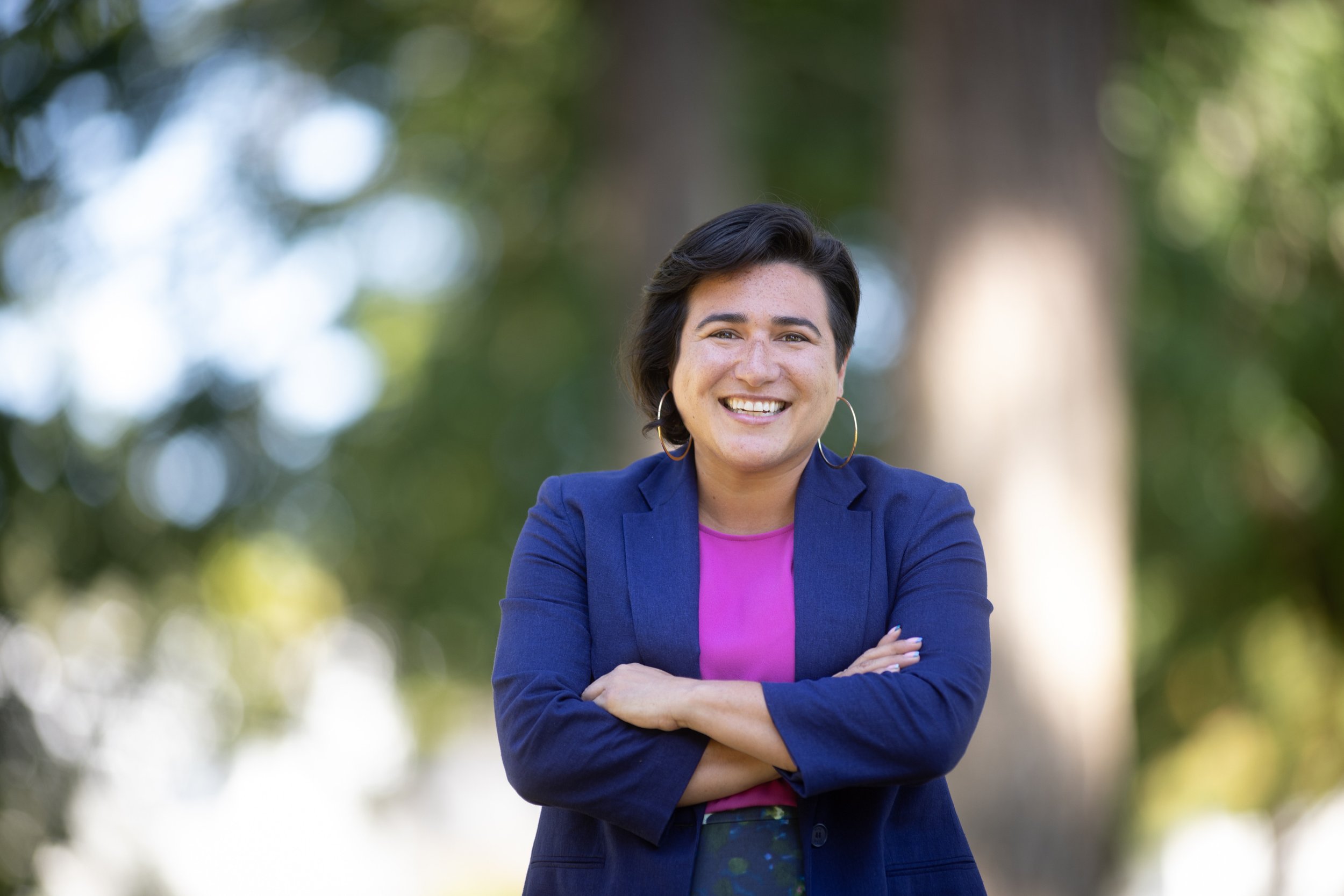
Photo Courtesy of Emily Randall [/caption]
How do you differ from your opponents?
I'm the only candidate in the race that has run tough elections. I flipped the seat in the 26th district from red to blue in 2018. It was the most active, the most hotly watched legislative race of the cycle. I won by 102 votes out of 70,000. After a lot of political types told me they didn't think [an] LGBTQ person, Latina, someone who worked at Planned Parenthood could win in a district that included Port Orchard. But we raised a lot of money, and we won.
I have passed 193 bills as a sponsor or co-sponsor into law over my six years, 85% of them have bipartisan support. I have been a committee chair, I've been deputy majority leader, I've been majority whip. I rose into leadership quickly because I can be effective at helping pass Democratic priority legislation. And I am the candidate in the race with the strongest record on reproductive freedom. Over these last six years, I've been a leader in the legislature on passing policy that strengthens Washington's abortion care, expands access to reproductive health care more broadly, that lowers health care costs. I've been on the front lines of that work and have been able to deliver.
What was the impact of Derek Kilmer’s endorsement of Hilary Franz on the race? Do people look at endorsements when deciding how to vote?
Derek's certainly popular in this district. I respect him and have been honored to work alongside him. I'm proud of having Senator Patty Murray's endorsement, Planned Parenthood Action Fund's endorsement, and the endorsements of [Washington representatives] Marie Gluesencamp Perez and Marilyn Strickland, and members of Congress from across the country.
I think voters in Washington read the Voters Guide. Polls tell us that Washington voters want to be informed about their choices. We've worked hard to be in a state where we have protected vote by mail.
Your campaign material states that you're the only LGBTQ candidate. Why is that significant? And does that present a chance of losing as many voters as you would gain on that issue?
I don't have any concerns about losing voters. When I ran the first time in 2018, folks were concerned about that sort of profile. Washington State is a state that has affirmed marriage equality at the ballot, supported gender-inclusive sexual health education for young people, [and]t believes in freedom and liberty, the ability to make the right decisions for ourselves and our families.
I was the first queer woman elected to the Washington State Senate. But that wasn't what drove me to run. What drove me to run was service to my community. What I have seen over and over is how much it can matter to people of all ages, especially when I go to visit classrooms or when student lobbyists come to Olympia. It means a lot for them to see someone, LGBTQ kids especially, to see someone who shares their experience. It’s important, for the queer community, for communities of color, [to have] someone who can deliver results for their district and their state.
You were raised in a bipartisan household. What was that like?
My dad was a Republican. We spent a lot of time arguing around the kitchen table about the right solutions to different problems, pushing each other's buttons, but really meeting each other with love and respect. He died before Trump was on the ballot. I imagine that he would have been one of those who would have looked for another option or maybe chosen not to vote. A lot of my Republican neighbors feel that the leadership in their party doesn’t reflect the party they identify with. This drives me to try and build relationships with reasonable people in community and in Congress to get things done.
For more information, go to electemilyrandall.com
Port Angeles Attorney J. Graham Ralston, 40
[caption id align="alignnone" width="2000"]
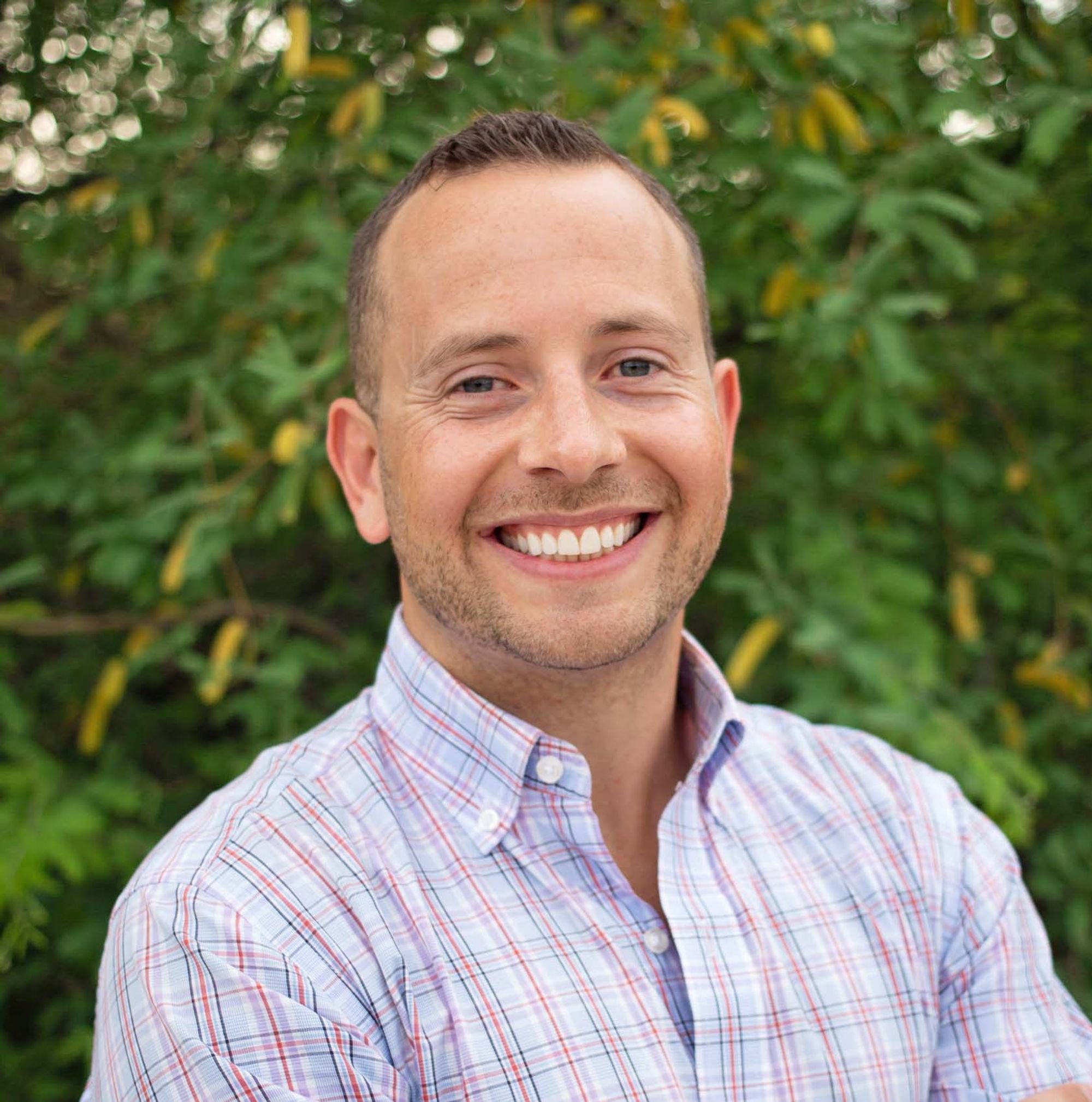
Photo courtesy of J. Graham Ralston [/caption]
Why are you running as an independent?
More commonalities between us can be reached through discussion and through independent leaders rather than through parties that seek to divide us. We’re ingrained in the two-party system. Nothing changes if people aren't willing to take a risk. We continue to do the same thing; we see no progression in society, and we see nothing change. And sometimes it takes bold decisions to stand up for that. The win, to me, isn't just winning the election. It's the opportunity to have a discussion with people on larger stages to talk about the importance of not being stuck in party politics. Instead, focus on issues more than the party.
What issues are most important for you?
Inflation and taxes. Government overspending is continuing to raise the cost of people putting food on the table or buying gas, which essentially serves as a tax on the lower and middle class. When we look at taxes, the current administration is proposing increasing tax rates on people, property taxes that make it harder and harder for people to continue with their American dream of buying a home at a reasonable price and working a single job instead of multiple jobs to have a quality of life.
Inflation is one thing, but also making sure that we're proactively thinking about the future, how artificial intelligence is going to impact our workforce, and that we're protecting our small business owners. That they have enough labor to stay open at affordable rates and that we're putting things in place to help them. More importantly, removing government barriers that have been put in place.
We don’t know which party will hold a majority after the election. As an independent, where do you fit in that equation?
I like to think that what's most important is the people I serve and the people who elected me, not which party I'm serving. I would vote how the constituents ask me to.
As an attorney, I have a fiduciary duty to my clients. It's not someone else, and our elected representatives should be held to the same threshold to serve the people's interests and not the party's interests. If elected, it would be focusing on what's best for the people of this district. It doesn't matter to me if it's Democratic or Republican.
So many politicians vote for their party rather than what their constituents actually want them to be voting for.
We have five candidates going into the primary. Are you hoping that you can attend forums with the other four and raise some of these issues? I heard you say that winning is less important than raising issues.
There are multiple ways to look at winning. A form of winning is through discourse and being able to change people's minds.
For more information, go to www.voteralston.com