The Port Opens Shorts Farm Up to Local Farmers, Ranchers, and The Community Boat Project

[caption id align="alignnone" width="3608"]
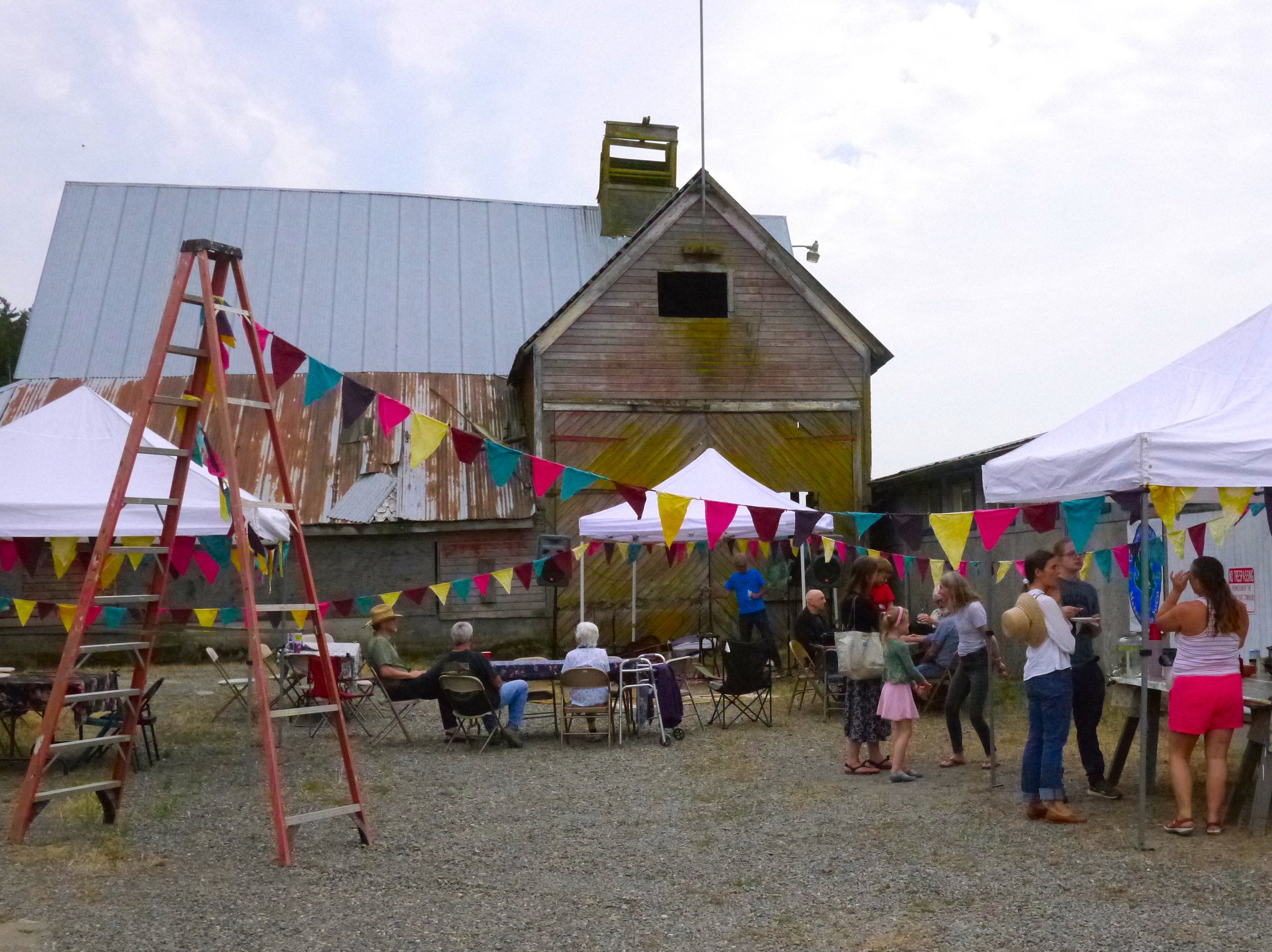
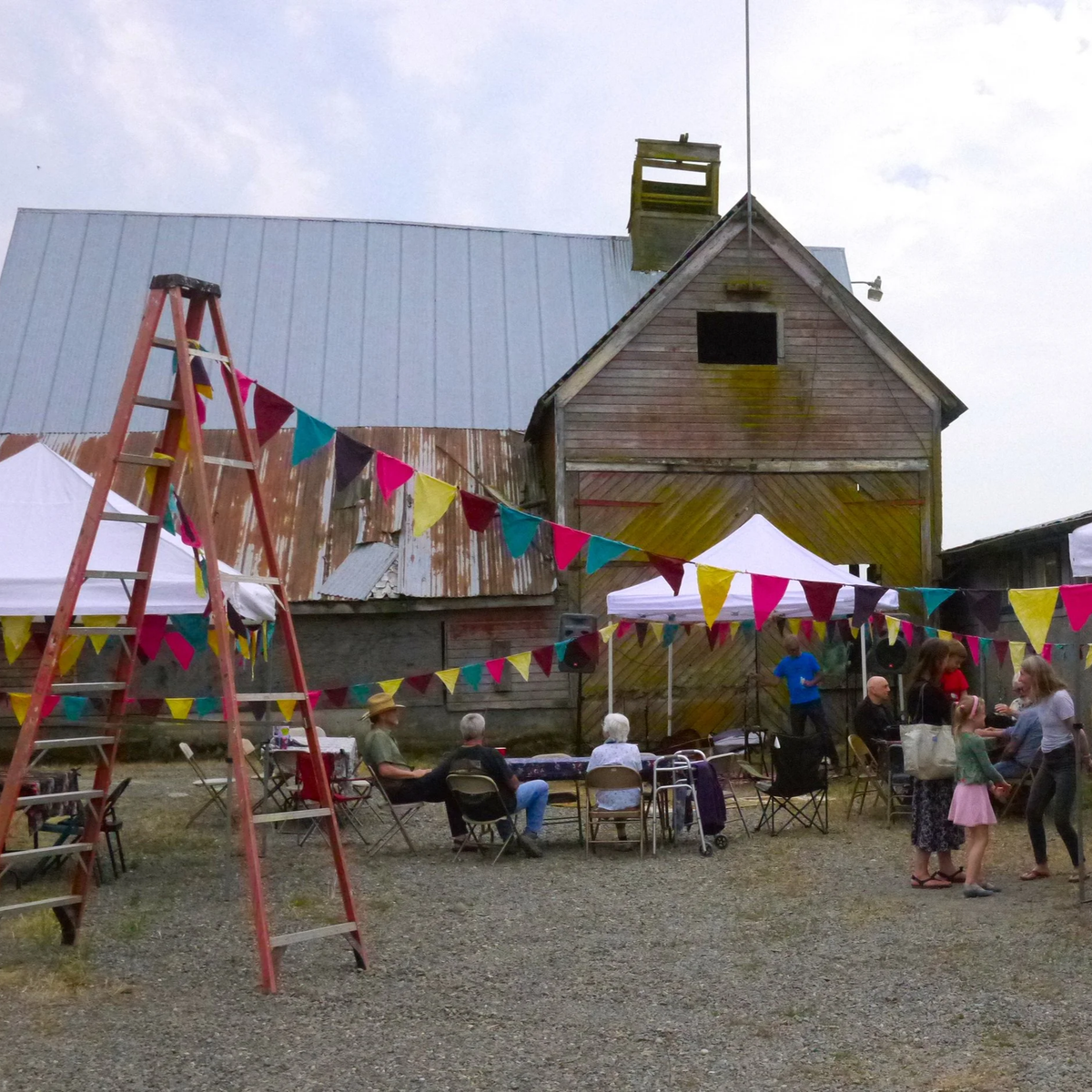
The Community Boat Project grand opening in the old Short’s Farm milking shed. Photo by Nhatt Nichols [/caption]
News by Nhatt Nichols
When you think about the Port of Port Townsend, you probably think of boats. Maybe you’ll even think about airplanes. But that isn’t the whole picture of what the port does.
“The port's got this broad economic development mission, so anything that's related to creating jobs can be within the port's portfolio,” said Port of Port Townsend Director Eron Berg.
And that’s why the port bought Shorts Farm in Chimacum, miles away from either a dock or an airstrip.
Berg said the decision may seem strange in some ways, but it completely fits the port’s mission.
“Other ports in the state are heavily engaged in ag[riculture], although for many of them, that's by owning terminals. So they're there where the freight moves: They own trains, they own shipping terminals. So they're bringing their ag to market.”
Ports were created to help protect Washington state’s economic interests and support land preservation. In the early 1900s, railroads and other corporate entities were acquiring Washington’s waterfront property. That trend concerned the state and led to the creation of ports to protect public access and the economic viability of the state's waterfronts.
Returning to the Early Days
In some ways, getting into agriculture is a return to the early days of the port in Jefferson County; in 1927, one of its first projects was to build cold storage to help support local farmers.
[caption id align="alignnone" width="3169"]
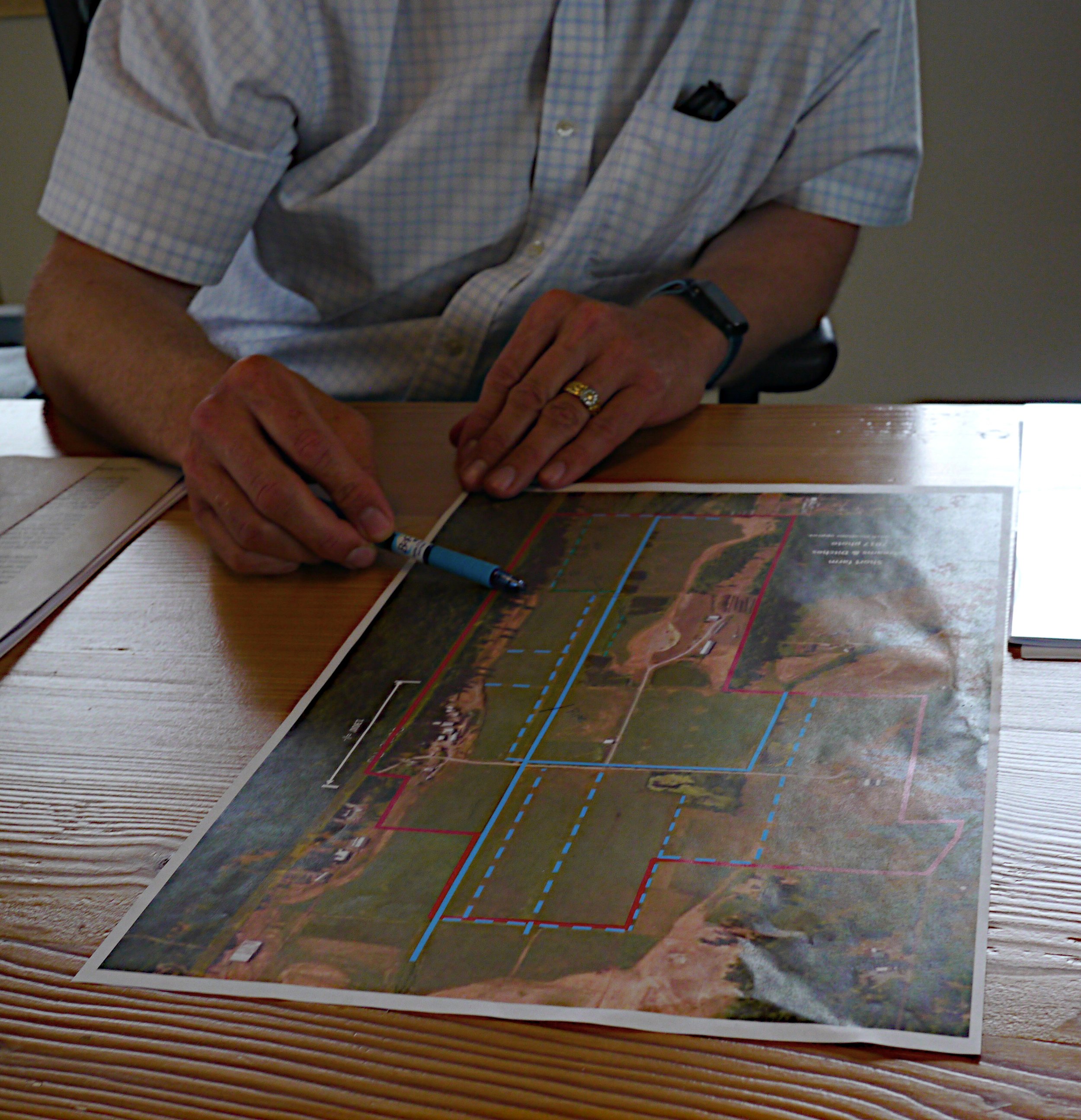
Port Director Eron Berg outlines their plan for Short’s Farm. Photo by Nhatt Nichols [/caption]
Berg believes that buying Short’s Farm embodies the spirit in which ports were created.
“Ag land is in that same boat where you see rich people aggregating thousands of acres of what is necessary for people to live. That's a little scary,” Berg said, before acknowledging that Jefferson County’s problems are a little different; we simply don’t have as much agricultural land as other rural counties.
“But I do think that there's a compelling overarching public policy,” he added, “behind making sure all your farmland is not gobbled up by a gazillionaire somewhere.”
For Berg, the decision to buy Short’s Farm comes from watching the rich agricultural land of his home county, Skagit, disappear under shopping centers and housing development.
Thanks to the Land Trust easement on the Short’s Farm property since 2016, it wasn’t in danger of becoming developed. But the port was worried it would stop being a working farm and would no longer contribute to the county’s agricultural economy.
New Uses for the Short’s Farm Property
The port bought the Chimacum property in 2023 and assembled a team of local farmers and land experts to advise it on the best way to use their new acquisition.
In a Land Trust blog post, Erik Kingfisher, Jefferson Land Trust’s director of stewardship and resilience, referred to the Farm Steering Committee as being “like a supergroup of local expertise in farmland and habitat management. The thoughtfulness and intention they’re bringing to the process is a real gift to the port and to the land.”
Today, the port has taken on the suggestions of the steering committee. It is primarily leasing the property for grazing, as that is what the soil is best suited for.
One Straw Ranch leases 75 acres for cattle, and Chimacum Grain also leases 17 acres to support grain production. Both entities have operations next to the Short’s Farm property, so the port felt their operations were a natural fit.
Berg said the Short’s Farm property has some land with soil better suited to growing vegetables, which the port plans to divide into smaller lots to lease at a low cost to newer farmers struggling to buy land for themselves.
He encourages anyone interested in leasing from the port to contact them, though the port isn’t interested in only supporting agricultural business.
Community Boat Project Landing at the Farm
On Thursday, July 31, colorful bunting, the smell of barbecue, and live country music greeted guests who had come to visit the old milking shed, now home to the nonprofit Community Boat Project.
[caption id align="alignnone" width="2420"]
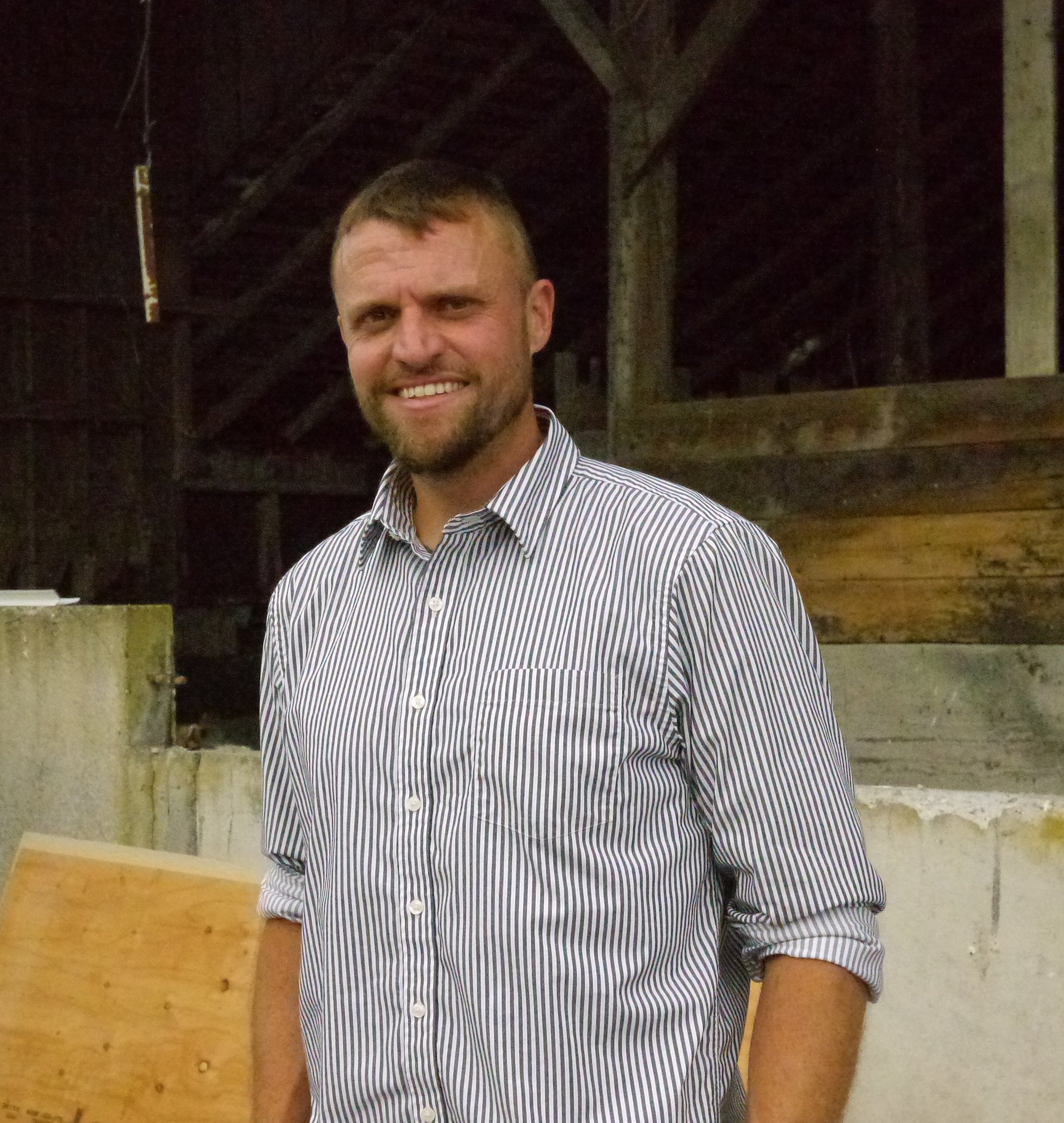
Executive Director Brent Bellamy feels like all of his prior experience has led him to lead the Community Boat Project. Photo by Nhatt Nichols [/caption]
Wayne Chimenti, one of the founders of the Community Boat Project, loves how the program has grown organically since it began in 1993.
“For 15 years, we just did kids and boats on the water, and then it evolved into building boats with kids, and then building tiny houses,” Chementi said. “It just was responding to community needs.”
Chimenti stepped down as executive director last year, and the first task for new Executive Director Brent Bellamy was finding a new workshop space. The Northwest School of Wooden Boat Building wanted back the space the Community Boat Shop had been using.
Bellamy was up to the challenge of finding that space.
“Hey, welcome to the organization. Find us a new place to live,” Bellamy said. “I invited [Berg] over to the shop. We were doing a lot of stuff with the Food Bank growers network and building garden sheds and compost bins and things to support that part of the ag community. And he was like, ‘oh, wait a minute. Oh, this works.”
“It just seems like it fits our world,” Berg said. “Their program isn't really boats, it's a mentoring and training program for kids to learn woodworking. They build greenhouses for farmers. It's a pretty cool program. We took a tour, liked it, and thought, that's a good group to have at the farm.”