Union Efforts Seek a Voice in PT Food Co-op Conflicts

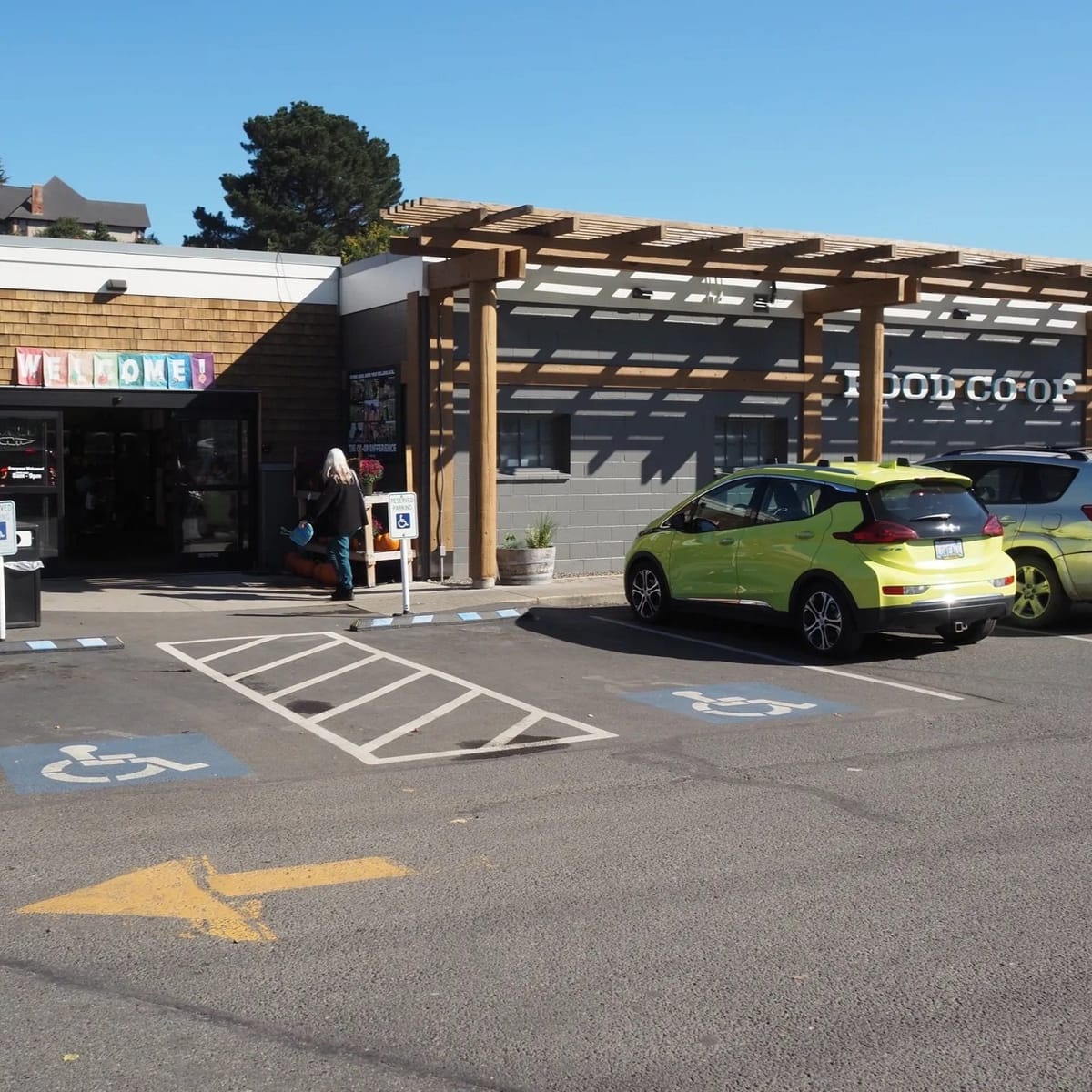
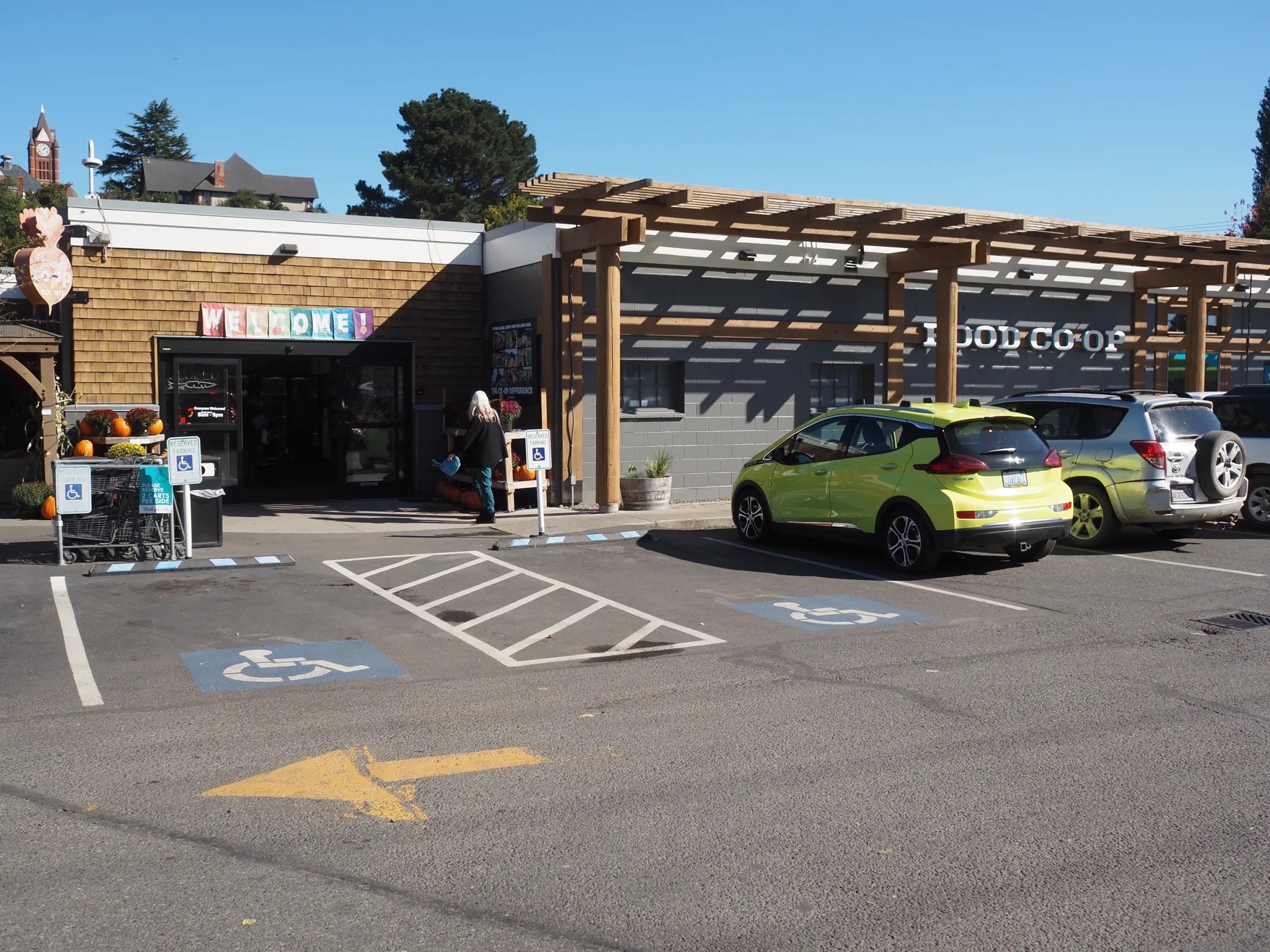
Photo by Derek Firenze [/caption]
As conflict continues at the Port Townsend Food Co-op, employees are asking for a greater voice through a unionizing effort.
“We seek a union in order to have a clear and heard voice and to have proper accountability,” wrote the Food Co-op Workers and Member-Owners Union Committee in a draft of a letter leaked to The Beacon. The letter ends by asking employees to authorize UFCW Local 3000 to represent them for the purpose of collective bargaining.
UFCW 3000 is the largest union in Washington state, representing more than 50,000 workers in over 650 locations. Its members work in grocery, retail, healthcare, and other industries.
There are currently more than 100 employees at the Port Townsend Food Co-op, sixty percent of whom would need to sign with UFCW 3000 to begin the official voting process.
In the committee’s letter, they argue that there is currently no democratic system in place to represent worker interests or well-being. The Food Co-op’s bylaws allow only a single position on the board to be filled by a staff member at any one time. Additionally, the elected staff member is excluded from voting on certain issues pertaining to employees.
In the Food Co-op bylaws, it’s noted that “a person with a conflict of interest […] shall not be qualified to serve,” adding that a conflict of interest “includes any staff member reporting directly to the General Manager.”
The disconnect between the employees and the governing policies of the Board of Directors is what the Union Committee hopes to change.
“Worker input is at a minimum, and numerous incidents have come up where worker voices hold no weight and, sometimes, are actively silenced,” they wrote in the draft. “We seek a co-operative where the workers are engaged and have democratic input on the day-to-day, on the products and decisions, on our rules, on the Board, on our values and how they are implemented, where open discussion about on-going issues and events are encouraged and organized.”
Equity in Question
The letter also lists some of the committee's wants, including increased attention to equity concerns, one of the issues that incited the conflict that ultimately led to Cameron Jones’s removal from the board on July 29.
Jones was actively working to put together a new Equity Committee for the Food Co-op board before his removal. He is also the Co-Director of Black Lives Matter Jefferson County, which announced a boycott of the Food Co-op after his removal.
According to the Food Co-op Policy Register, which states how the organization is meant to guide their work, one of their goals is to: “Treat people well, increasing equity and access by providing a safe, welcoming, and educational environment.” Some employees feel this policy isn’t being upheld.
The Policy Register also states that the Food Co-op General Manager should “strive to provide these benefits to our member-owners and community while operating a strong grocery store.”
Food Co-op General Manager Kenna Eaton responded to an earlier question about equity issues at the store with: ‘What is an equity lens, and what does it look like?’ She gave no further information on the organization’s equity efforts.
During a recent interview with The Beacon, Jones said at the time he was removed from the board, he was doing outreach with facilitators to have a conversation with Eaton and the board about equity and what it means.
“When I first got to the board, they said that they ended the Equity Committee in 2022 because everything they do should be through the lens of equity. But how can it be through the lens of equity if you don’t have a shared definition of what equity is?” Jones asked.
Jones was removed for violating Board Process Policy 3 e., which states that “When interacting with the public, staff, or each other, whether in speech or writing and whether in person or using any printed, electronic, or other communications medium, directors will act with civility and kindness at all times.”
While no direct actions or words have been named, Eaton said she felt “silenced” during an executive session of the Food Co-op board in April. During the open session of that meeting, member-owners had complained about management’s treatment of a trans employee who had shared difficulties on social media.
Jones claimed the board previously agreed Eaton should not be present during the executive session. The General Manager position does not include board membership.
“Before the meeting, it was agreed that Kenna wouldn’t be there. But as we ended the regular board meeting, I don’t remember who, but someone suggested Kenna stay, and everybody agreed that it would be good for her to be here,” Jones said.
“It wasn’t even for her to speak, it was for us to have a conversation and for her to listen and to know what’s going on,” he added.
Eaton was originally asked not to attend in order to address discrepancies between her reports to the board and complaints Jones was hearing from other employees and community members.
“The way that the culture was, you couldn’t bring up those uncomfortable or critical elements that people have about the co-op,” Jones said. “There’s never a space set out to talk about that stuff. There’s never a space where the GM isn’t present to have that conversation.”
When asked whether he would support a unionizing effort, Jones said he would personally be there to support any picketers, but as a nonhierarchical organization, Jones said he could not speak on behalf of BLMJC, which would have to decide as a group.