Washington State Senate Bill Threatens Ferry Advisory Committees and Rider Representation

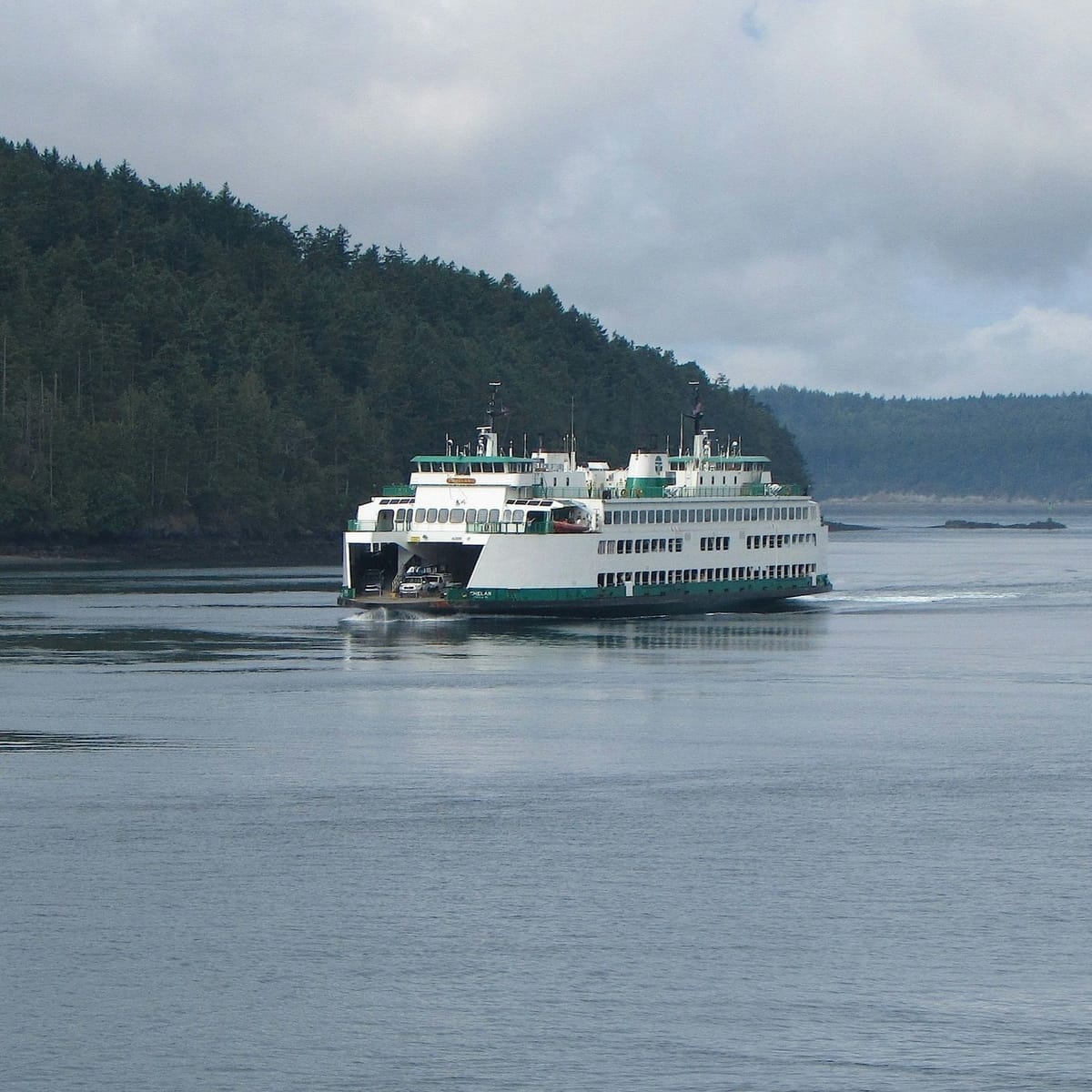
[caption id align="alignnone" width="3196"]
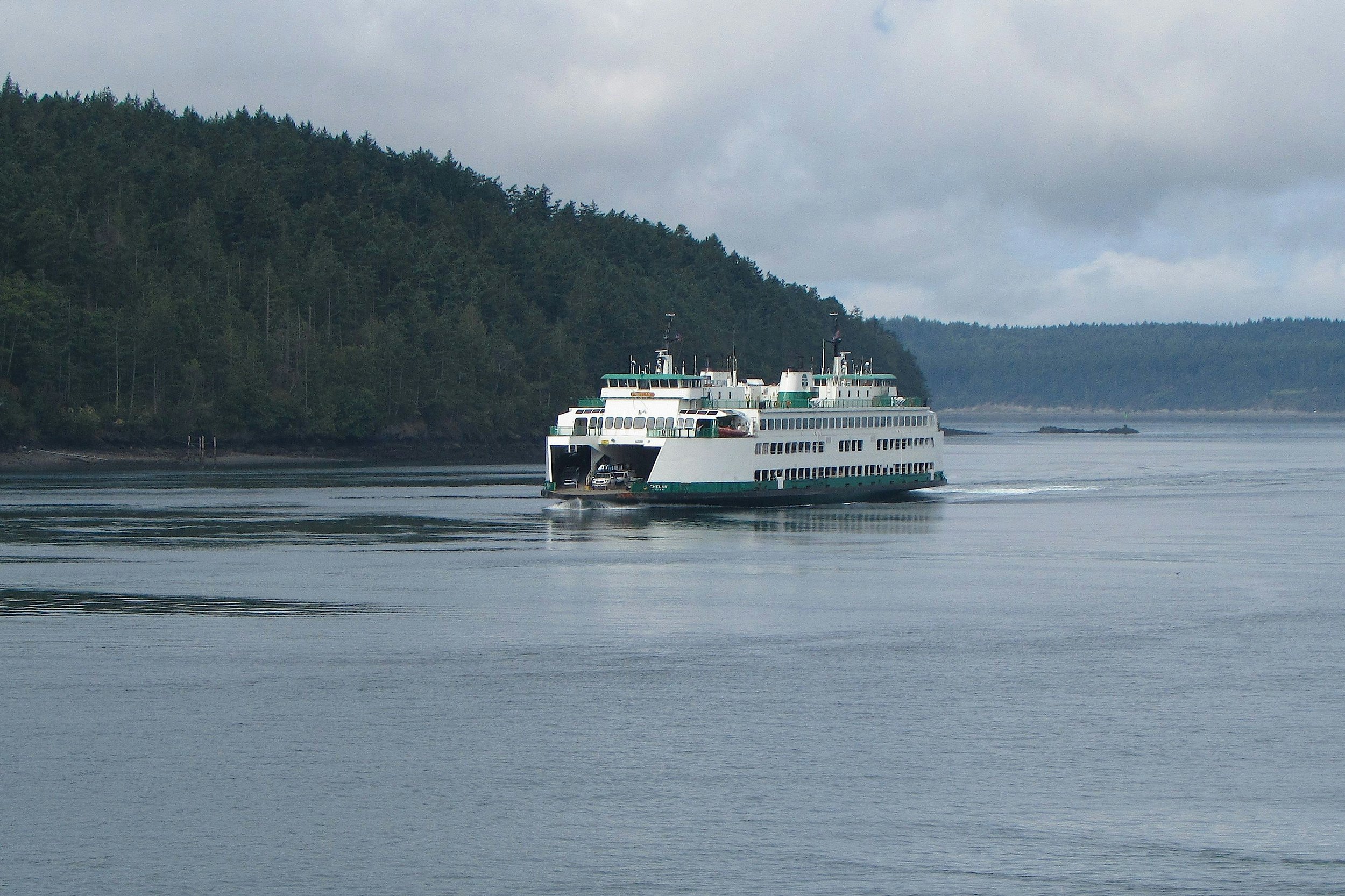
Photo by Jason Butterfield on Unsplash [/caption]
News by Nhatt Nichols
A Washington State Senate Bill could effectively end Ferry Advisory Committees (FACs) if signed into law.
SB 5161 has already passed the Washington State House and Senate and is now a few steps away from ending the requirement for Washington State Ferries (WSF) to consult with local ferry advisory committees, like the one we have here in Jefferson County that advocated on behalf of the Port Townsend-Coupville route. Members of FACs are worried that cutting their official voice out of the process will lead to worse service.
Instead of FACs, WSF has proposed spending $75,000 on a two-year study that will replace the role that FACs currently serve.
With only 19% of the ferry fleet ending 2024 in a “State of Good Repair,” the WSF system faces huge challenges that could be alleviated with the effective communication FACs provide as the link between ferry riders, communities, system operators, local governments, and legislators. County Commissioner Heather Dudley-Nollette sits on the Jefferson County FAC and has seen it as an important voice.
“While I understand the need to create efficiencies and that perhaps Washington State Ferries perceives this as one of those opportunities, At the same time, who are you going to use as the foundation of your study resources if you don't have ferry advisory committees anymore?” Dudley-Nollette said.
The volunteers who serve on these committees advocate for the diverse needs of those who use ferries with Washington State Ferry (WSF) decision-makers, working with other FACs to create a collaborative environment that doesn’t pit communities against each other when vying for limited resources.
They also investigate, prioritize, and, in many cases, resolve local ferry issues, saving ferry staff time. They conduct reviews and analyses of issues, plans, and legislation for local governments and legislators, which their staff lacks the time and resources to do.
And the best part of FACs? None of their work costs the public any money.
“Since I've been in office, their attention has been on the Fund Our Ferries initiative and the restoration of the multi-boat service to port town between Port Townsend and Coupeville. They've been very effective in polling the community's voice, and that two-boat service is coming back this summer, at least for Friday, Saturday, and Sunday. They've been very involved in that conversation,” Dudley-Nollette said.
Dudley-Nollette is still hopeful that even if SB 5161 passes as it is currently written, WSF will use the study findings to inform their decisions in a way that is informed by the public. However, she wasn’t sure why WSF wasn’t working within the system of ferry advisory committees instead of commissioning a study without the support of the already established FACs.
Though the proposed study only temporarily ends the requirement for WSF to consult with FACs, there is no guarantee that they will be reinstated after the two-year study ends.
“When something is gone, it's hard to put it back,” Dudley-Nollette said, adding that she would be willing to continue serving on the advisory committee even if WSF no longer was required to take their advice as she’s seen the benefit a local FAC provides.