Words Can Hurt — So Where Do We Draw the Line?

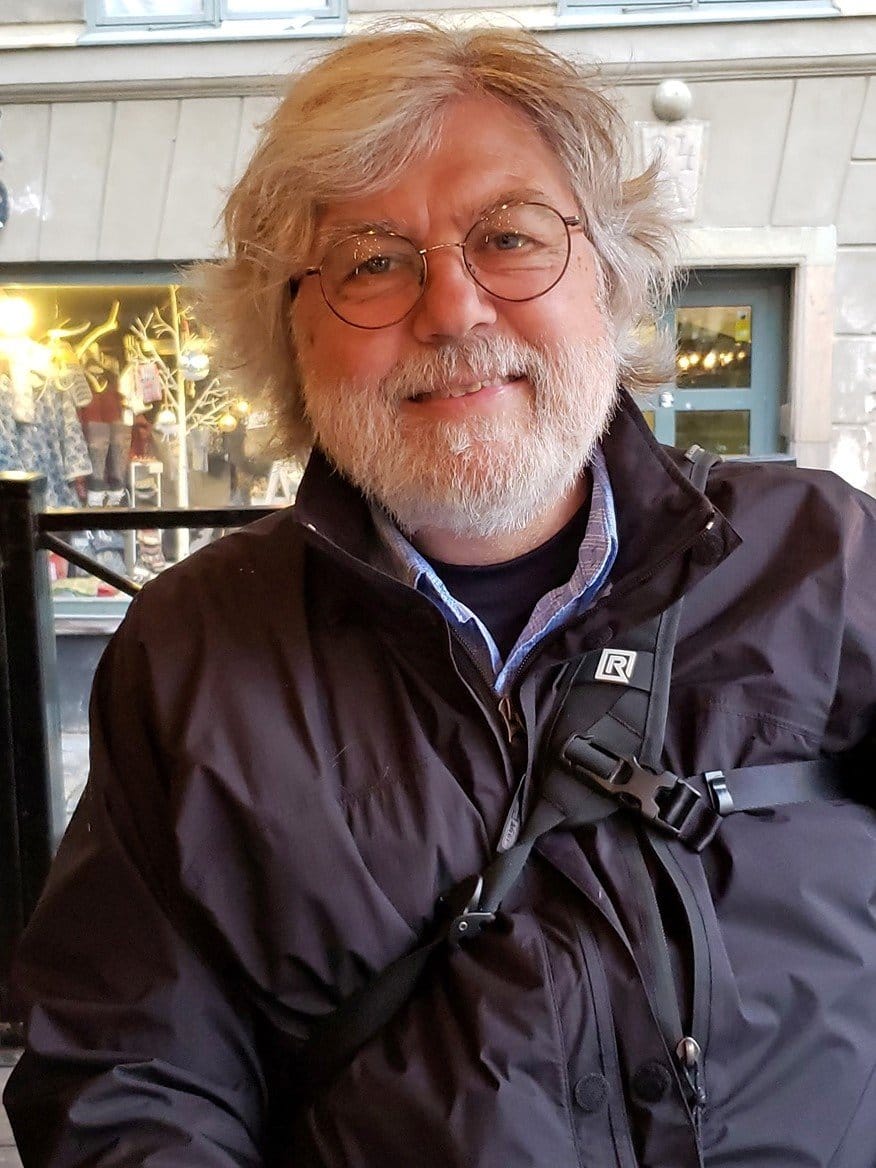

Opinion by Gary B. Larson, board chair of the Jefferson County Beacon
“Sticks and stones may break my bones, but words will never hurt me.”
That old saying was meant to toughen us up. But let’s be honest: It was never quite true. Words can hurt. They can intimidate. They can incite violence. And in some cases, they can be deadly.
With social media platforms flooded with hate and division — and with tensions rising in communities across the country — we’re being forced to reconsider where we draw the line between free speech and hate speech.
Recently, at the Jefferson County Beacon, we realized we had no policy against hate speech on our social media page or in comments on our online newspaper. That raised a challenging but essential question: What is hate speech, anyway — and can it be regulated?
Hate Speech Isn’t Illegal — But Some Speech Is
In the United States, the First Amendment protects even offensive and hateful speech. That means there’s no law banning “hate speech” as a category, unlike in many other countries. But that doesn’t mean anything goes.
Over the years, the U.S. Supreme Court has made clear that certain types of speech are not protected, including:
- Incitement to violence: If someone urges others to break the law or commit violence right now, that speech can be punished.
(Example: “Let’s go burn that building down tonight!”) - True threats: If someone makes a serious threat to harm another person, that’s not protected.
(Example: “I’m coming to kill you tomorrow.”)
Other exceptions include harassment, obscenity, defamation, and “fighting words” — though the last one is rarely used these days.
So, where does that leave hate speech? If it doesn’t meet the legal tests above, it’s likely protected — even if it’s disgusting, racist, or cruel.
What Private Platforms (and Community News Outlets) Can Do
Just because the government can’t ban hate speech doesn’t mean private organizations are powerless. Social media platforms, private schools, workplaces, and yes, newspapers like the Beacon, can and should set clear rules about what’s acceptable.
That’s not censorship. That’s responsibility.
A local news outlet has every right to moderate comments that spread hate or bigotry. A community Facebook group can remove posts that attack people based on race, gender, religion, or identity.
Doing that isn’t a violation of free speech under our Constitution. It’s a way to foster safe, respectful spaces for public dialogue.
Words Have Power
Words shape our reality. They reflect our values. And yes — they can cause real harm. They can also build bridges, heal divisions, and inspire action.
Let’s stop pretending that hateful speech is harmless. And let’s stop using the First Amendment as an excuse to tolerate cruelty or bigotry.
The law draws a narrow line. But as a community, we can — and must — set a higher standard.