City Council Retreat Prioritizes Housing and Infrastructure for 2027 Budget
After an all-day workshop meeting, City Council and staff narrow down potential projects for the following year.

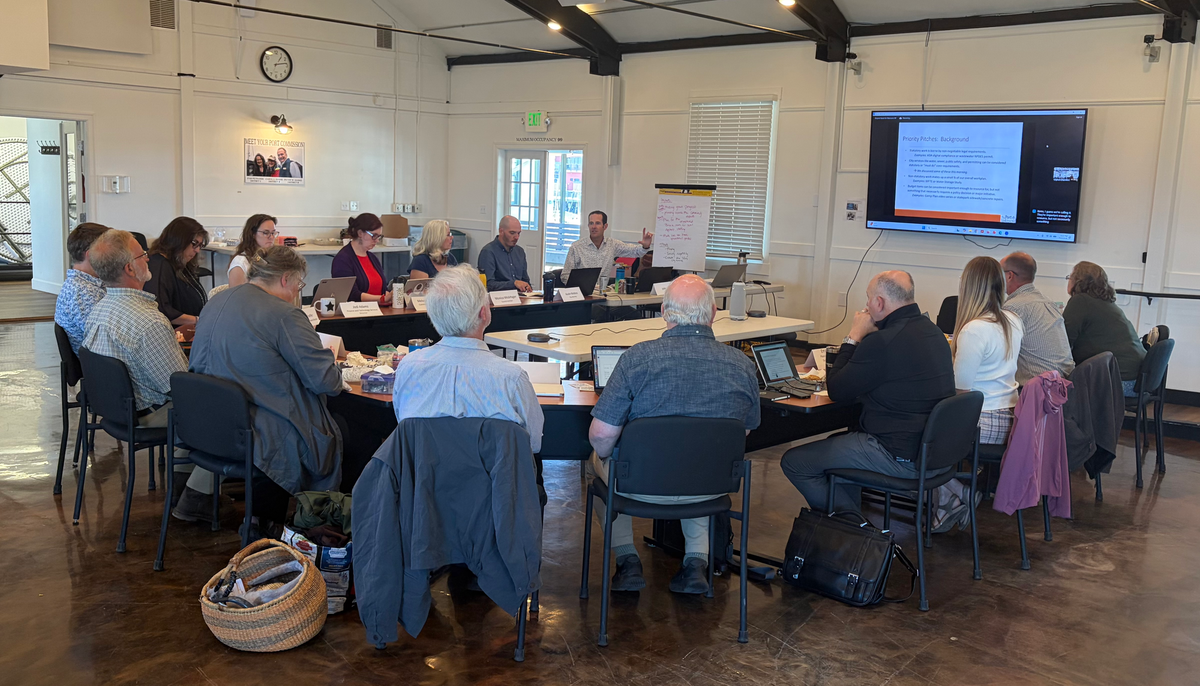
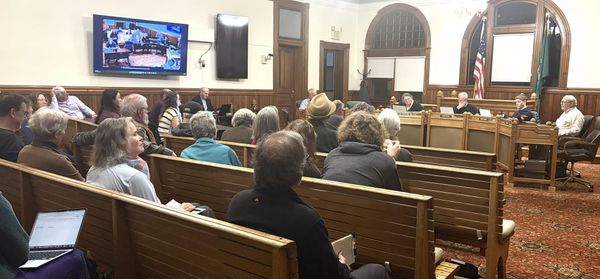
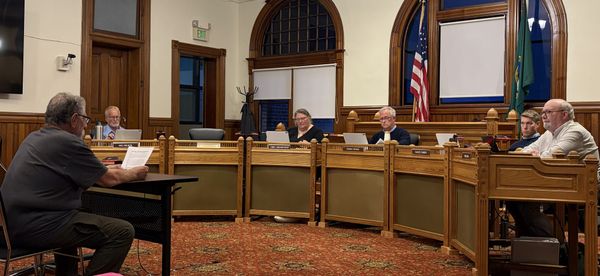
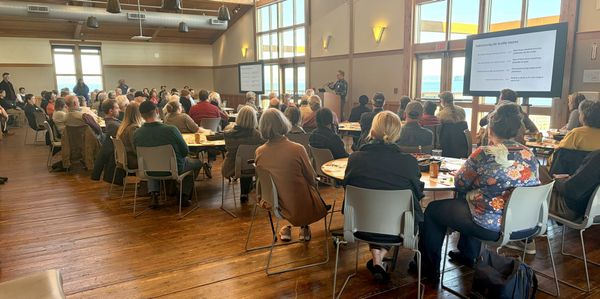
PORT TOWNSEND, WA — The City Council and staff emerged from their annual retreat on Monday, July 13, with a refined focus on housing affordability and water infrastructure, following a full day of workshops and ranking exercises at the Port Pavilion building.
By 1 p.m., the council had narrowed a lengthy list of potential projects, using green and red dots on whiteboards to signal which items were high priority. The group then moved to a more detailed ranking process, directly comparing proposed initiatives to build a prioritized list of non-statutory projects for the coming fiscal year.
Key priorities emerge
The forced-pair ranking exercises, used to determine which projects carry the most weight, consistently elevated housing and water infrastructure to the top of the council's agenda. Discussions revealed a strong consensus around the importance of these foundational issues.
Housing Affordability: Proposals related to housing dominated the top tier of the ranking. The Affordable Housing Grants Program and expansion of the Multifamily Tax Exemption (MFTE) were frequently pitted against one another, with council members acknowledging that both are critical components of the city's housing strategy. Planning and Community Development Director Emma Bolin clarified that while the MFTE program is a code-based project to expand eligibility for tax exemptions, the grants program is an implementation effort that requires staff support to manage applications and funding over the years. Other key housing-related items that scored high included a Subdivision Code Reform project—noted as a state requirement that the city must implement—and an Infill Surplus Property proposal for affordable housing development.
Water and Infrastructure: The Water Storage Study emerged as another top priority, driven by its foundational importance to the city's long-term resilience and growth. Council Member Libby Wennstrom argued for its placement, stating, "If we don't have a reliable water supply, we've got a whole other set of problems." This sentiment was echoed by colleagues who noted that housing initiatives cannot succeed without ensuring adequate water resources.
Economic Development and Administrative Efficiency: The Housing and Economic Development proposal received strong support, with some council members highlighting the need to diversify the local economy beyond tourism. The Planning and Permitting Modernization initiative was also elevated, recognized as a direct response to community feedback identifying permit processes as a barrier to building affordable housing.
Process and advisory feedback
City Manager John Mauro guided the council through the prioritization process, emphasizing the need to distinguish between statutory requirements, budget items and the non-statutory work that requires deeper policy decisions. "We want to really clear the plate of all the statutory stuff, which we basically did this morning. Now we're going to focus on the budget," Mauro explained.
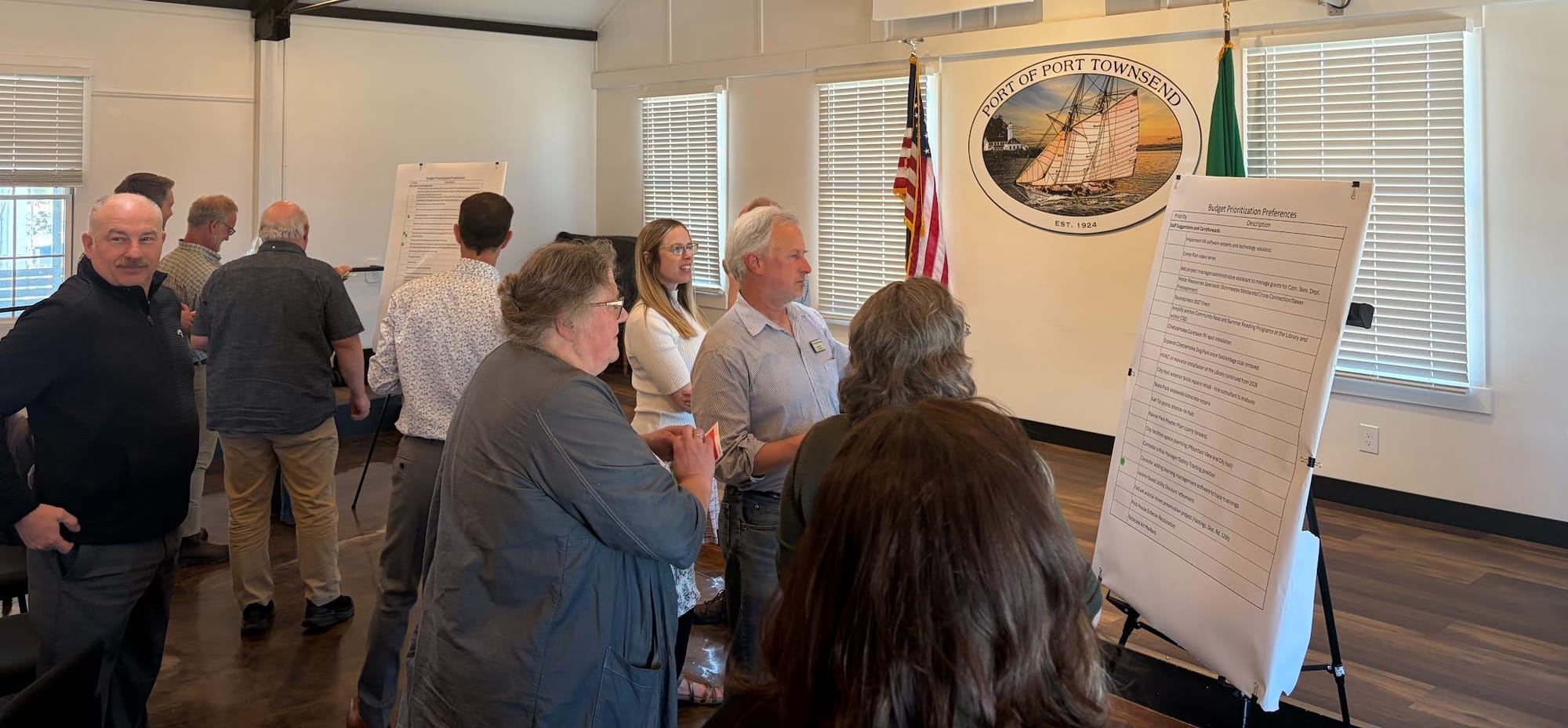
The workshop session incorporated feedback from the city's advisory boards, which submitted a wide range of suggestions. These included proposals for a Climate Risk Screening Tool, managed parking strategies for downtown and initiatives to make the city more dementia-friendly and accessible.
Next steps
The priorities established at the retreat will guide staff as they prepare the preliminary 2027 budget, with formal budget discussions set to begin in October. Since this annual retreat was a workshop meeting, no voting took place.