Port Townsend Explores Long-Term Funding for Aging Facilities, Plans for New City Shops
City workshop meeting explored proactive budget planning and new workshops.

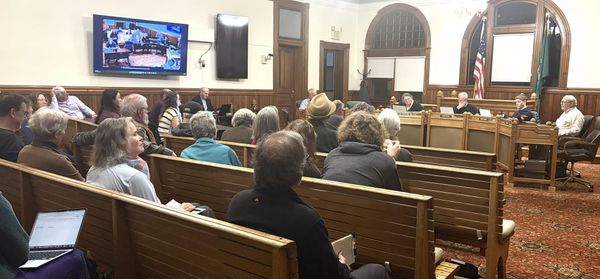
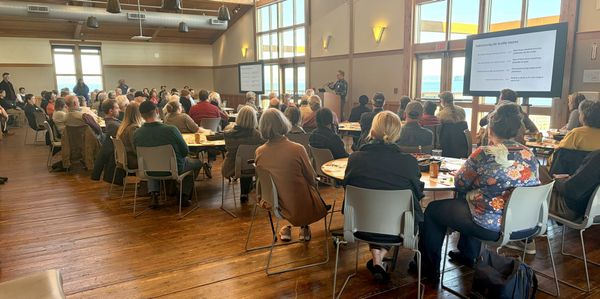
PORT TOWNSEND, WA — During a City Council workshop on June 8, city staff presented two major long-term planning initiatives: a new financial model to proactively fund facility repairs and a schematic design for replacing the city’s aging maintenance shops.
The meeting highlighted the city’s continuing shift from reactive, crisis-driven maintenance to a sustainable, budgeted approach for its public assets.
New "ER&R" Fund aims to end crisis mode
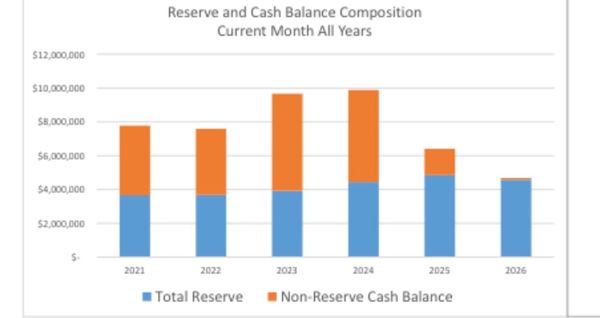
Public Works Director Steve King introduced the first phase of a Facilities Equipment Repair and Replacement (ER&R) fund. The fund is designed to operate like the city’s vehicle replacement program, setting aside money systematically for maintenance and major replacements rather than relying on emergency funds when a roof fails or a boiler breaks.
"Without that system, you get hit with large bills," King explained. "You're in emergency mode for a patch job, and meanwhile, damage is occurring to the structure. It costs the taxpayer more by not being proactive."
The initial analysis shows the city’s total annual Operations & Maintenance (O&M) costs for facilities at $1.776 million. A significant finding of the new allocation model is that nearly half of these costs, including expenses for the pool, food bank and museum, currently go toward non-city services used by the community.
Staff noted that the current backlog of deferred maintenance is substantial. The plan aims to create a financial model to run scenarios (e.g., funding 50% vs. 80% of depreciation) and strategize investments over a 40-year horizon.
City shops replacement moves to design phase
The workshop also featured an update on the long-discussed replacement of the city’s maintenance shops, some of which date back to the 1950s. Staff described the current facilities as having dirt floors, rodent infestations, inadequate heating and a lack of proper locker rooms, break areas and meeting spaces.
"It's been very functional for a lot of years, but the conditions are tough," King said. He noted that the current 4.3-acre Beech Street site could be repurposed for future affordable housing if operations relocate.
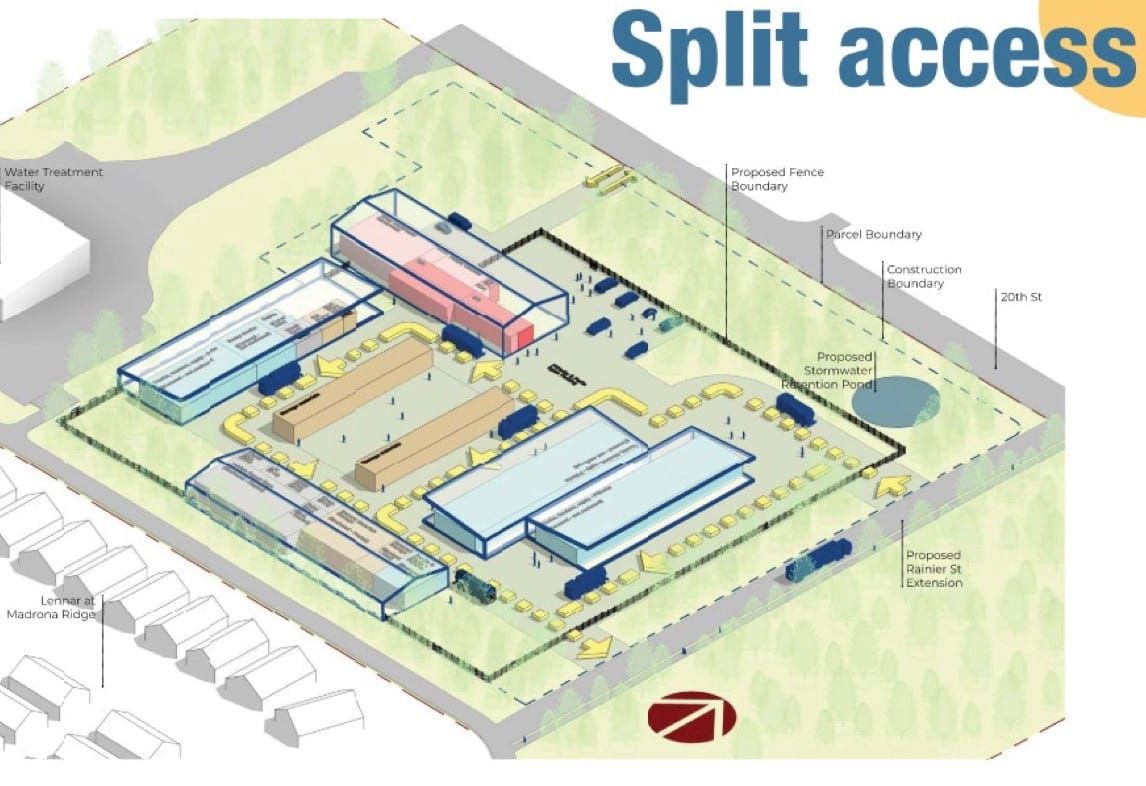
The preferred site for the new shop buildings is a city-owned 5-acre parcel near the water treatment plant on the west side, which was reserved for this purpose during the plant’s planning phase. The location offers centralized access, existing utilities and a remote area for noisy bulk storage away from neighborhoods.
Staff emphasized that the design process has heavily involved frontline workers. Teams toured other municipal shops in Sedro-Woolley and Bonney Lake to gather ideas, focusing on safe, efficient and "agile" spaces that accommodate modern technology, electric vehicle charging and amenities like locker rooms and dedicated break areas.
While a formal cost estimate hasn't been completed, King estimated a new facility could range from $15 million to $20 million when accounting for inflation and the full scope of services like streets, water, sewer, stormwater and parks maintenance. This would be a multi-year process.
Public comment and next steps
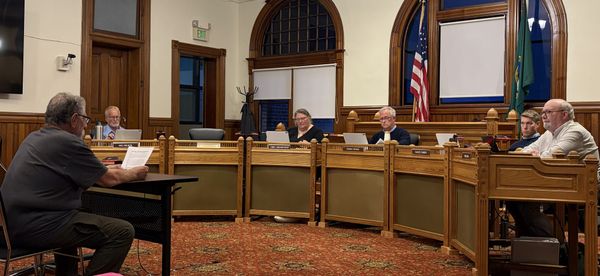
During public comment, Port Townsend resident Judy Krebs expressed concerns over the proposed site near the water treatment plant, citing potential impacts on wetlands, trails and frogs. Staff responded that any development would undergo a full environmental review and critical areas permitting process. King also noted that wetland areas were identified when the water treatment facility at the site was first constructed. Staff affirmed that existing trails would stay intact.
No formal action was taken at the workshop. Staff will continue developing financial scenarios for the ER&R fund, with policy decisions expected during the 2027 budget adoption. For the city shops, the next steps include scheduling a council tour of the existing facilities and identifying potential funding strategies, including grants, bonds or incremental phasing.