Public Defense Caseload Requirements: Constitutional Responsibility
New state regulations mean lighter caseloads for attorneys, but that doesn’t change the number of cases that need legal representation.

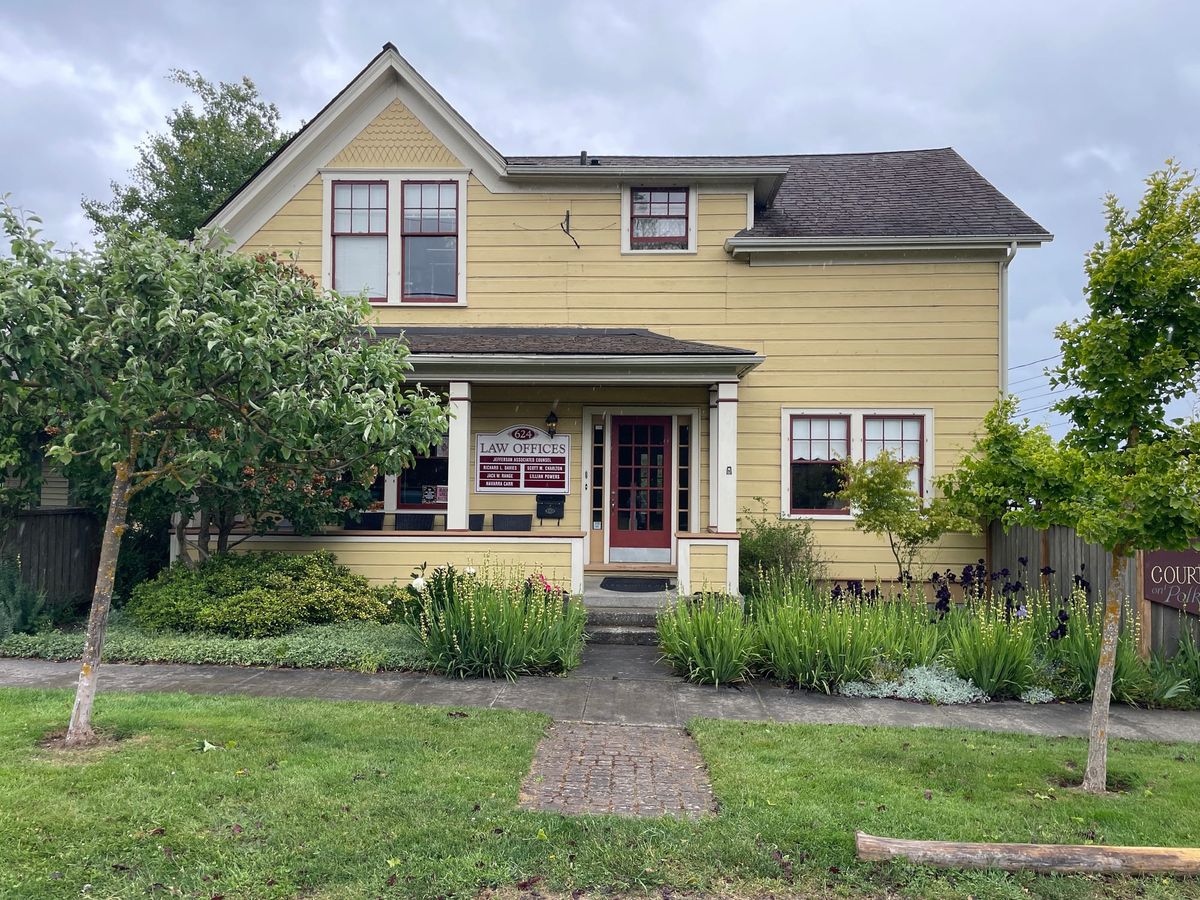
JEFFERSON COUNTY, WA — Since the 1960s, the sixth amendment of the United States Constitution has been interpreted to mean that anyone accused of a crime has the right to legal counsel, and if they cannot afford an attorney, the government is required to provide one for them. However, if the assigned attorney is overworked and cannot provide meaningful assistance, then the accused’s constitutional rights are violated.
For years, chronic underfunding, excessive caseloads and fragmented oversight have led to profound failures in the justice system, “ranging from wrongful convictions and prolonged detention to systemic court backlogs and a growing erosion of public trust in the fairness of the criminal justice system,” as the Washington State Association of Counties (WSAC) wrote in their report on the public defense crisis in Washington state in January. “These harms fall most heavily on poor and historically marginalized communities, reinforcing inequality rather than safeguarding justice.”
Effective January 1, 2026, the Washington Supreme Court adopted the Research and Development Corporation (RAND) caseload recommendations. These standards significantly reduce the maximum caseloads for full-time appointed public defenders, creating the need for three times the current amount of attorneys to take the amount of cases left.
Now, a defense attorney can only take on 47 felony cases, 120 misdemeanor cases, 250 commitment cases per 12-month period, with a 10% annual reduction in cases per year until the standard is met. A separate standard limits family defense attorneys to 45 clients or 60 open active cases at any given time.
New workload standards allow public defenders more time . . .
RAND conducted a comprehensive Public Defense Workload Study between 2005 and 2022, conducting 17 state-level public defense workload studies. Then, a panel of 33 expert criminal defense attorneys from across the country came to a consensus on the average amount of hours needed to provide adequate service to any criminal case.
The intention of the RAND study was to create new national public defense workload standards. Mandatory minimums were imposed in 2012, but caseload maximum standards had not been evaluated since 1973.
The new standards account for current defense practices, like the evaluation of digital discovery and forensic evidence, and also include the scope of a criminal defense lawyer's obligations, like advising clients on collateral consequences—penalties resulting from conviction that are not part of formal sentencing—and connecting clients with social services.
Richard Davies, the Director of Jefferson Associated Counsel, wrote in an email to the Beacon, “I’m very supportive of the reduced caseload standards. They will allow us to dedicate the time necessary to fully defend each and every one of our clients against the criminal charges leveled against them by the county prosecutor—no matter the seriousness of the alleged offense. No one’s case should be delayed because of their lawyer’s need to focus on other more serious cases.”
. . . but create funding and staffing issues
This new court-imposed standard has left county governments with mandates they cannot realistically meet.
Washington State’s reliance on counties and cities to fund 94% of defense services for people who can’t afford an attorney, counties argue, leaves the justice system vulnerable to failing American citizens. The pressure for rural areas is almost insurmountable.
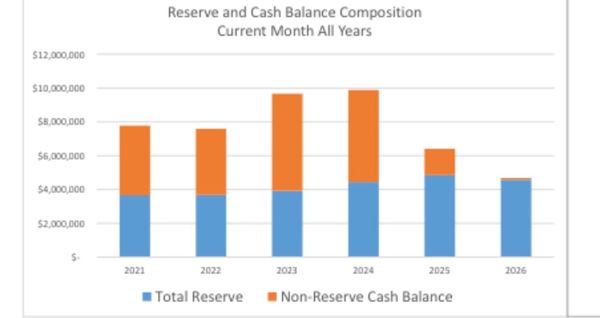
Defense funds come from sales tax and property tax, through the county’s general fund. Jefferson County Prosecutor James Kennedy explained that 80% of Jefferson County is owned by the state and federal governments; most of the remaining land is owned by private timber companies or is limited by US Navy development easements. With a population of only 33,000 people, there aren't enough people paying property tax into Jefferson County’s general fund to support a robust budget for defense attorneys. This means that the money has to come from cuts to a different department or service, something that the County is already grappling with, as previously reported in the Beacon.
Jefferson County Administrator Josh Peters said the county doesn’t have the capacity to handle the issue in a comprehensive way. Jefferson County is the bottom 7% of states supported by state public defense expenditure, receiving between $30,000-$60,000 from Washington State when the costs are well over a million dollars.
Peters stated his disappointment in the high earners tax bill, signed into law on March 30, which established a 9.9% income tax on household earnings exceeding $1 million per year. The bill passed without the original proposal of an estimated $233 million annually for county governments public defense fund, leaving no real mechanism to pay for the cost.
“I’m mindful that the reduced caseload limits will result in costing the county more for public defense if the county prosecutor continues to charge the same number of minor crimes,” Davies said. “The solution is for the county prosecutor to file fewer minor criminal charges. Resources are limited. The county should focus on funding primary prevention, that is Parks and Rec, rather than the continued charging of minor offenses.”
Prosecution has to decide what minor charges are for. Do they want to charge minors for missing school, or suspend licenses for missed parking ticket payments? While it is true that fewer cases charged would reduce caseloads, the prosecutor's office is faced with having to consider county finances vs public safety concerns.
Peters also cited a significant employment issue that threatens the new standard’s viability: there aren’t enough lawyers in Jefferson County.
“Public legal work is demanding, high-stakes, and often emotionally taxing, yet compensation frequently lags behind comparable positions in prosecution or private practice. High student debt, limited advancement opportunities, and burnout contribute to chronic turnover, particularly in rural areas,” the WSAC wrote. “Over time, these conditions undermine not only capacity but also quality, as experienced defenders leave the field and institutional knowledge is lost.”
Public defense offices all over the nation are hemorrhaging lawyers, especially attorneys with extensive experience defending severe felonies, citing unstable workloads as their main reason for leaving.
Lowering caseload standards precipitates a need to hire more attorneys to take up case over-flow, and hiring more attorneys will require increasing the budget line.
In a letter to Governor Bob Ferguson on June 30, 2025, Prosecuting Attorney James Kennedy wrote, “Given the limited number of available attorneys, by increasing demand, the Court will increase the competition between jurisdictions for attorneys. The law of supply and demand dictates that this will inflate the costs of providing defense well beyond their present levels with urban areas winning out over rural areas, and cities—with their greater taxing authority—winning out over counties, who also possess the sole authority to prosecute the more serious felony offenses.”
Is there a way out?
Peters said that the county will have to decide to continue with the contract model they are currently following with JAC, or incorporate public defense as a department under the county's umbrella, just like the prosecutor's office currently is.
While this consideration doesn’t solve any financial issues, it is an important evaluation of current systems and if safeguarding reform is possible.
In 34 U.S. states and the District of Columbia, trial-level defense services for defendants who cannot afford their own legal representation are either entirely state-funded or the state provides a significant majority of the financial support. Washington is an outlier in its relationship to criminal defense funding.
Counties suffer under the burden of full constitutional responsibility to provide equitable legal counsel. Equal quality of justice, across all cities and counties in Washington, could rely on the state legislature organizing funds for public defense.
Why we are reporting on this:
The recent Supreme Court decision for maximum public defense caseloads requirements has a higher impact on rural areas than cities and counties with larger populations.
Awareness around the current and worsening public defense employment crisis is essential for understanding how the justice system works.
Where did we get our information from:
Our reporter interviewed the Jefferson County Administrator, and exchanged emails with the prosecutor’s office and Jefferson Associated Council.
Our approach to covering the justice system:
Our primary goal is to inform the public of any policies that could create an inequity in the way cases are handled.
We report on the legal and social history, then speak with people who are experts in their justice system fields. Whenever possible, we try to include the voices of those who will be most affected by policy changes.