The Process of Prosecuting Child Sexual Abuse Crimes: Finding Justice While Protecting Victims
With several high profile child sexual assault crimes moving through superior court, reporter Angela Downs explains how those cases are processed, and why we won’t be covering them in the same way we cover other justice stories.

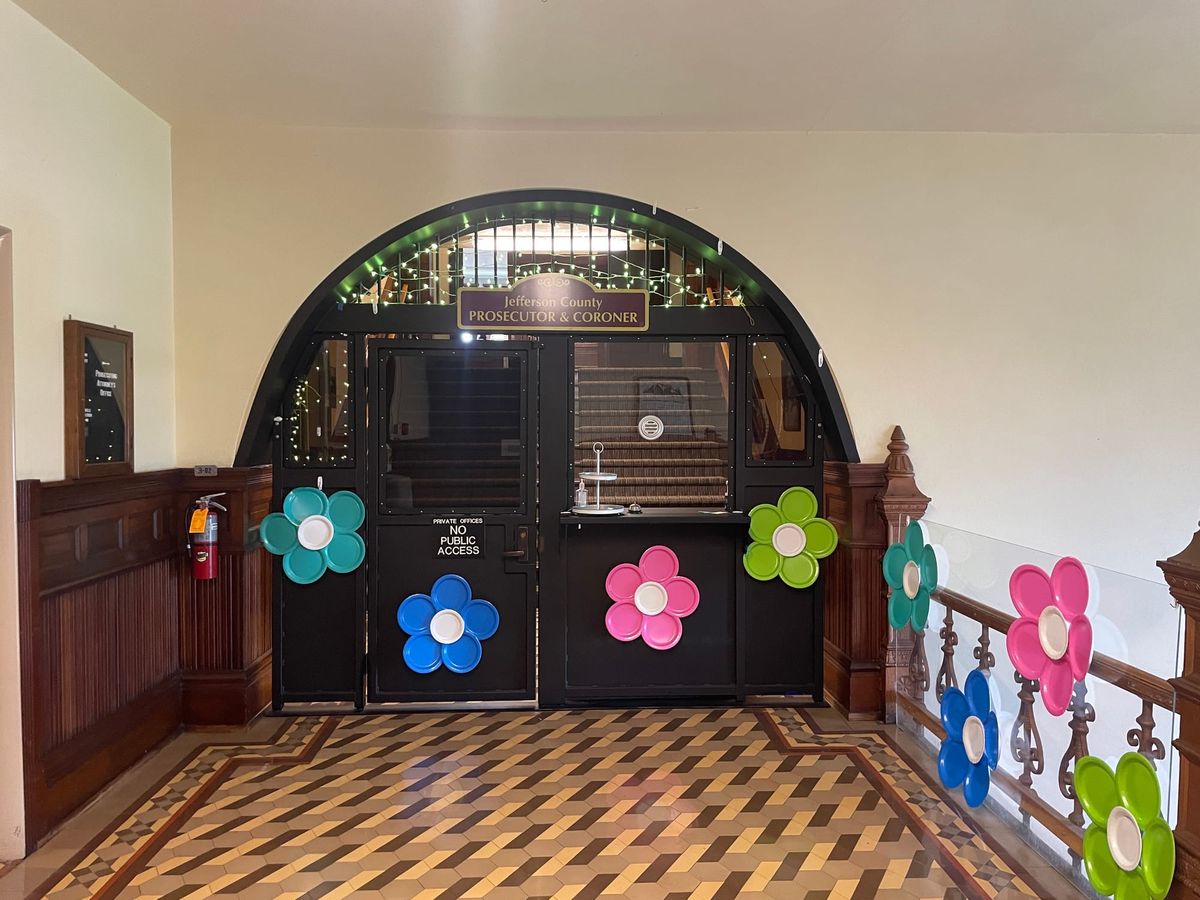
JEFFERSON COUNTY, WA — Delays in reporting, a lack of physical evidence and working with children in varying degrees of cognitive development make child sexual assault cases some of the most difficult crimes to prove.
Jefferson County currently has several child molestation cases moving through the court, including a recent sentencing. Because of the risk factors to survivors and their families, and the accused, the Beacon is taking a deeper look at implications of cases like these, instead of reporting on the cases directly.
Prosecutor Holly Graham is the county’s leading attorney on child sexual abuse cases, and has the ethical obligation to prosecute only if there is enough evidence beyond a reasonable doubt, and also a duty to serve the community’s safety.
A recent example of this for Graham was an adult delayed disclosure report, “I filed charges based on the fact there was no motive to lie, and there seemed to be sufficient details, but then we had a defense interview, some additional facts came to light that I think would have caused a jury to find reasonable doubt, and so I had to dismiss the charges.”
Through required continued legal education with the Washington Association of Prosecuting Attorneys, Graham is a trauma informed prosecutor, part of “a movement that’s making its way through prosecutor’s offices across the country,” according to Graham.
Trauma-informed prosecution centers the survivor during the process, aiming to minimize re-traumatization. The training gives prosecutors a basic understanding of how the science behind trauma memories can utilize fragmented, sensory-driven testimonies.
Graham has come to understand how labor intensive these cases are from specializing in child sexual assault cases over the last five years, and how developing a report with survivors is key to effectuating justice.
In these cases it’s essential that the prosecutor has a good relationship with the child, because the prosecutor's office has total control over the case; the child does not get to decide if they want to go to prosecution or not. However, Graham said she will not pursue prosecution if the child says they don’t want to. Graham reminds them they can try again in the future, as there is no statute of limitations on prosecuting child sexual assault cases.
The process of charging someone for sexual assault of a child
Once a state prosecutor decides to charge an accused person, the child is brought to Jefferson County’s Children’s Advocacy Center (CAC) for a forensic interview.
A forensic interview is a non-biased, court-defensible, fact-finding interview done at the request of law enforcement or social services, as part of their mandatory reporting for minors requirement. These interviews are designed to be as comfortable to the victim as possible.
Jessica Lowe, the CAC Team Director and Multidisciplinary Team Facilitator, said their new forensic interviewer took over from police detectives who had previously interviewed victims. Lowe views this particular forensic interviewing like an art.
“Trauma informed, as the forensic interviewer, means that person has an understanding of childhood development.” Lowe explained. “[Forensic interviewer] Dana has a mental health background, and is comfortable talking with children. She is also trained to speak to the child in a non leading manner that's legally informed.”
These interviews are searching for truth, collecting enough details for credibility to the case. They also take into account reasons a child might lie about an assault, saying it occurred when it did not, such as parental coercion.
From a community survey done by the Jefferson County CAC, 70% of respondents know a child they suspect has been abused.
In interviews facilitated by the Jamestown S’Klallam Tribal Justice Center CAC and the Jefferson County CAC, they found the average age of children affected in Clallam and Jefferson counties to be between 11 and 13 years of age.
Jefferson County’s CAC started operating in 2021, taking a multidisciplinary team approach by working with the city police, county sheriff’s office, the Attorneys General offices, Dove House Advocacy Center and Jefferson Healthcare. This coordinated collaboration strengthens the response for both safety and accountability.
While CACs are community-based, they are nationally accredited and supported. The Washington state chapter has seen a nearly 7% decrease in children served since 2023, this change is not attributed to less children being harmed. The Washington State CAC attributes this to the cuts in Victims of Crime Acts and law enforcement funds, which has impacted the number of referrals.
Processing youth sexual assault evidence
After an assault is reported, evidence is collected by a Sexual Assault Nurse Examiner (SANE), as long as it’s within a five days of the assault.
The SANE collects evidence and documents the victim’s injuries and history before conducting tests and conducting an assessment. The SANE also offers resources to the victim at the time of the examination.
In the state of Washington, evidence collected from adults is stored for 20 years—the statute of limitations on most sex crimes, but evidence collected from child sex crimes has an indefinite statute of limitations.
While Jefferson Healthcare has just expanded their SANE program to all ages, Lowe reported that Kitsap County recently closed its SANE program at St Michael's. “Down in Lacey, their medical program was severely diminished as well, and that serves three counties,” Lowe said. “So the SANE programs that exist now on the peninsula are Jefferson Healthcare and lower Elwha.”
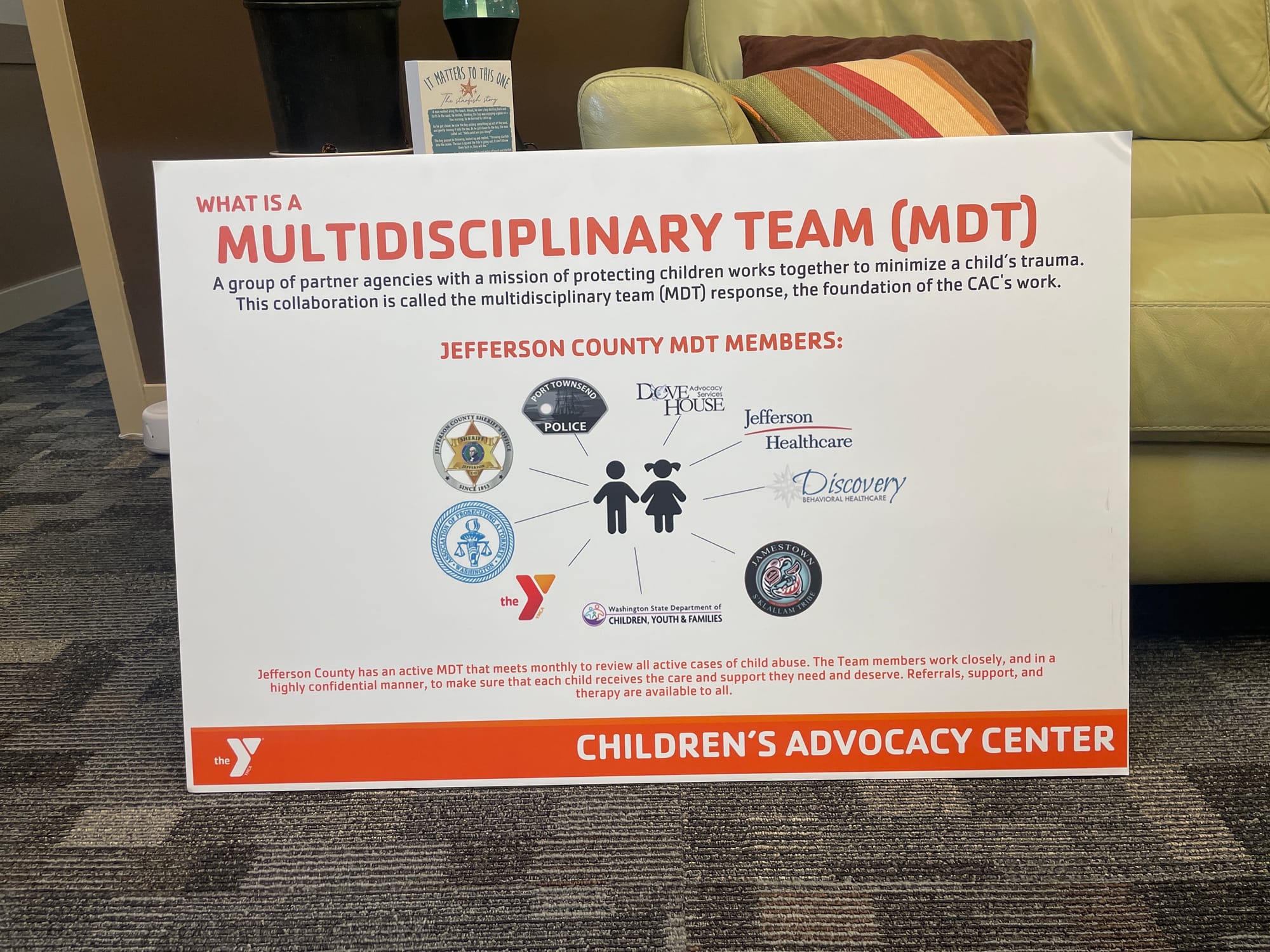
With the majority of cases not reported for months or years after the assault took place, the forensic interviews done through CAC carry the case.
“This crime does not discriminate, it can happen to anyone, anywhere, anytime,” Graham said. “It is normal for, especially children, to not report right away. They might be threatened, they might love the person who did it, and they might not want that person to get in trouble. They might feel like they're not going to be believed. There's a plethora of reasons, but it seems they fall under love and fear, like so many human behaviors.”
From an interview in April, Executive Director at Dove House Advocacy Services, Beulah Kingsolver explained that often, when a case is prosecuted and then becomes public, the children experience labeling and bullying, their grades drop and they stop wanting to go to school. Their families can be threatened and put down and isolated from the community.
The retelling of events can be a traumatic experience. Going through the system can reopen wounds and create new trauma, physical exams can interrupt the healing process and being in public court in a small community can feel exposing.
Graham argues that exams, though they often result in little evidence, provide an opportunity for medical affirmation to the survivor that they are ok and their bodies are safe.
Then, once there is a verdict, the courts disappear and people are left with their experiences.
Graham says that prosecution serves as a deterrent to perpetrators, showing that children will be listened to and believed.
Other deterrents are the threats of high punishment through the Washington "Two Strikes" law, which mandates a life sentence without the possibility of parole for repeat sex offenders convicted of two Class A felony sex offenses.
Though prosecution may not always be the best path for both perpetrators and their victims. Graham says she utilizes plea deals with defendants because they not only help keep the flow of the criminal court in motion, and prevent the re-traumatization of the victim from testifying. Plea deals can offer a sense of closure to the survivors that trial often cannot, due to the potential for an appeal. But with a plea deal, the case is closed.
Because of the statistical likelihood of a perpetrator being a survivor themselves, Graham considers survivor status vs behavior without survivor status when in plea negotiations. She asks for psycho-sexual evaluations and considers if it is substance abuse related, and then organizes results so they too can get help.
Taking into account what survivors want as a result of prosecution is an essential piece when defining justice on a case by case basis, emphasizing the core to Graham’s practice: listening to and believing children.
Graham asks survivors what they would like to see happen. “And sometimes they will say, ‘You know, I just want them to register as a sex offender, or I don't, I just don't want them to do this again to somebody else’.” Graham said. “I've heard a lot of different answers, and so generally I like to take that information and then make proposals to them of ways that we can resolve a case to try to meet their needs while also making sure that I am representing the community and ensuring that the community is going to be safe.”
Why we are reporting on this
With several child sexual assault and incest cases currently moving through the system, and the prevalence of such crimes in rural areas, the Beacon knew it was important to report on. But the risks of reporting directly on cases are high for survivors, their families and the accused.
Informing the public of the prosecution process for child molestation cases helps to alleviate stigma and encourage conversations about societal solutions.
It is also our intention to address social bias and report on potential leadership decisions based on bias.
Where did we get our information from
Our reporter interviewed representatives from the CAC, Public Health, Dove House and the lead prosecuting attorney Holly Graham, and exchanged emails with SANE representatives.
Our approach to covering child sexual assault
The chronic nature of child sexual assault crimes reveals a need to ask questions of how the system works and where it is failing. We set out to bring light to a delicate topic in a traumatizing system, without potentially exposing victims by covering individual cases.
In our reporting we follow the legal and social history, then speak with people who have first-hand experience with how the systems in place attempt to effectuate justice. We also use this guide to ensure we’re not using language that puts blame on the victim.