Big Screen Views: Tow Finds Empathy in a Hard Reality
Regardless of if you prefer dark comedies or full-on dramas, this film is a salve of hope.

I never thought I would despise Octavia Spencer. Ever since her performances in “Hidden Figures” and other films, the Oscar winner has been my hero.
But in “Tow,” Spencer portrays Barbara, a hardass who manages a shelter for homeless women in Seattle. Barb is one of the people who shows little to no compassion toward Amanda Ogle, the woman at the center of the story. Spencer’s performance is so steely that my teeth clenched—but I later had to admit her tough love may have done its job.
“Tow” is based on the real-life tale of Amanda, an unemployed mom who lives in her 27-year-old Toyota Camry while she searches for a job as a veterinary technician.
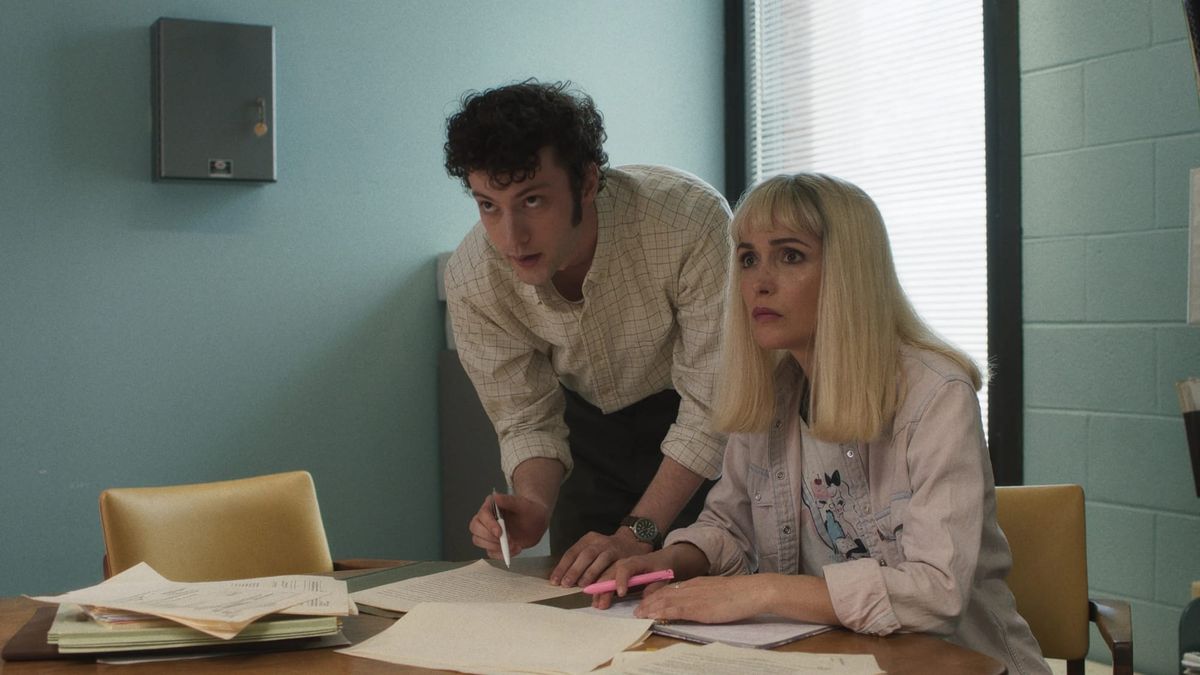
Amanda, played with grace by Rose Byrne, is one of the multitude of people in this country labeled “vehicular residents”—until the Toyota gets stolen. The thief later leaves it parked outside an apartment building, so it gets towed away.
Ogle’s true story was laid out in a Seattle Times piece by columnist Danny Westneat in October 2018. When Ogle went to get her car out of the tow yard, she was told it would cost $427, which she did not have. So Dick’s Towing would not, no matter what, return the car to its owner.
And now the movie takes us on a trip into how it is to be a homeless, jobless woman seeking mere justice in Seattle. We go into the veterinary clinic where she hopes to work, and we see how the dogs are treated better than Ogle is.
We sit alone on a bench under a bridge on a cold night. We go to court, where the female judge gives Ogle the document ordering the towing company to give her the car. The journey is not over, though.
We see how the towing company—simply because they do not want to let a woman have her due—finds ways to deny justice.
This is blood-boiling hell to watch, but you’d better believe we’re staying with it because we want to see how Ogle fights the system. She’s no saint. Barb at the shelter won’t cut her one millimeter of slack. But she keeps going.
Ogle finds the Northwest Consumer Law Center and Kevin Eggers, an earnest 24-year-old lawyer portrayed by Dominic Sessa. I have big admiration for both the lawyer and the actor.
Sessa, who is in fact only 23, portrayed a left-behind-at-Christmas boarding school student in “The Holdovers” (2023), and was nominated for a British Academy Film Award.
And young Eggers, unlike so many others, does not call Ogle “people like you.” As in, homeless and good for nothing.
Meanwhile, the storage bill for the Toyota balloons. Months pass, until the amount the towing company tells Ogle she must pay is $21,634.
That would be, oh, 1,665 hours working at minimum wage—if Ogle had been able to find work.
At one point, she medicates herself with vodka. Who can blame her?
Barb does. Ogle has to fight to stay at the shelter. She sleeps on a cot there, and goes to 12-step meetings with some unsympathetic characters portrayed by Ariana DeBose and Demi Lovato. Lovato delivers a performance that brought a lump to my throat.
“Tow” is billed as a “dark comedy,” but I’d call it a drama, if not a tragedy. Byrne, with help from Sessa, brings it up from despair. They’re an unlikely pair, and one that gave me hope.
I looked up the real Kevin Eggers, and learned he is an Idaho-born alumnus of the University of Washington law school. He received the Harry S. Truman Scholarship for dedication to public service. He also has a cameo in “Tow.”
This movie shook me, hard. And that’s a good thing. “Tow” drives home a dose of reality spiked with empathy.