Child Sexual Assault Cases Part Two: Treatment
A continuation from last week on child sexual assault and the local justice system.

JEFFERSON COUNTY, WA — Last week, we covered the prosecutorial process of child sexual assault cases. Though we are tracking multiple child sexual assault cases currently moving through the court system, we are not reporting on them directly to protect the identity of the children. This week, we are continuing to explore existing and potential treatment programs for both survivors and perpetrators of sexual assault, programs that will hopefully lead to lasting personal and societal change.
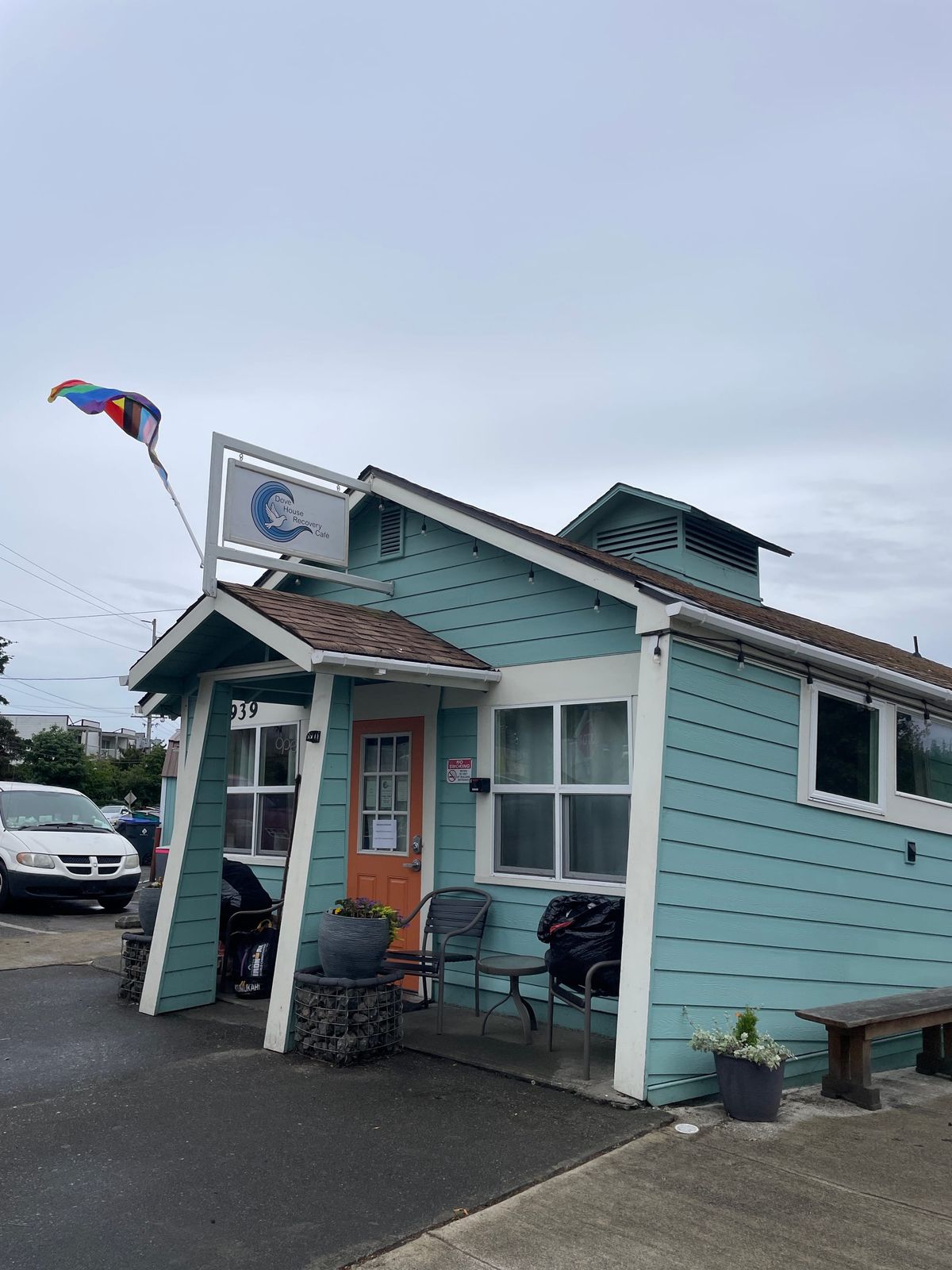
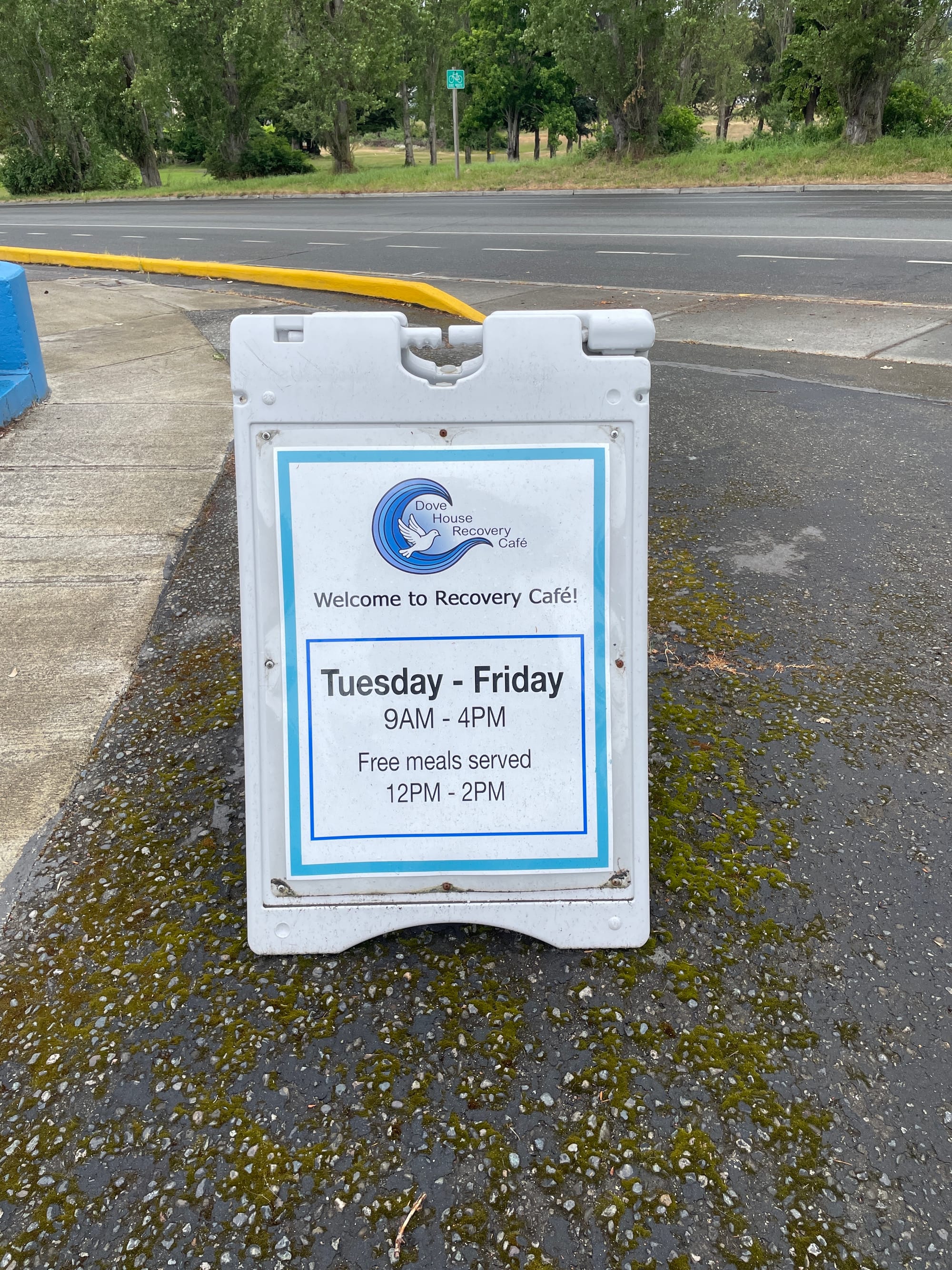
As a main pillar of support service in Jefferson County, Dove House Advocacy Services not only supports children and their family through the prosecutorial process of sexual assault cases, they also provide support groups and classes for youth and adult survivors including one-on-one therapy. They also facilitate the Recovery Café—a member and volunteer run center with the belief that community is essential for recovery. Members have access to meals, online classes, and referrals,
Beulah Kingsolver, the Executive Director at Dove House Advocacy Services, explained in April that through regular evaluations, they are seeing a pattern of generational trauma—a passing down of unresolved emotional patterns from generation to generation.
To address these cycles, Dove House advocates have turned to somatic body science to offer programs that help unlock physical awareness and physiological regulation.
“Why would we, as victim services, not invest in and go this way? It's hard to step into new things and exciting and scary. But if professionals are afraid, then how can we ask people who've been harmed to do it?” Kingsolver asks.
Their team has been training for the better part of two years in different forms of somatic healing, such as yoga and dance. These methods help move trauma stuck in an individual's body and develop new neurological and physiological pathways.
Alongside somatic therapies, Dove House is arranging for treatments that are financially inaccessible to many of their clients. Group treatments take place at Recovery Café and include ear acupuncture and Reiki, a Japanese healing technique.
Dove House is reaching a significant hurdle in the early stages of the program’s development. They need more space for more people to have access.
“We are trying to figure out how to give people as many options to heal as there are different types of humans,” Kingsolver said. “We [as a society] believe the biggest failure is if we try and it doesn't work the way we thought it would. But really the biggest failure is not trying at all. “
Treatment for survivors is only one half of the equation.
The Department of Social and Human Services’ (DSHS) Behavioral Health and Habilitation Administration provides assessments and treatment to people who have problematic sexual behavior and/or have committed sexual offenses.
Treatments include Cognitive Behavioral Therapy (CBT), a specific treatment method that works to address unstable thinking and behaviors.
Elena Lopez, Director of Clinical Operations and Specialized Treatment for the DSHS’ Behavioral Health and Habilitation Administration, explained in email correspondence with the Beacon that their approach and treatments are individualized, focusing on the specific unhelpful thoughts or unhealthy patterns of behavior that create psychological problems and distress.
“The goal of CBT is to help individuals help themselves to change thinking and behavioral patterns,” Lopez said. “This is accomplished through specific techniques and strategies aimed at learning and developing better ways of coping.”
The Department of Corrections
Most people convicted of sexual offenses don’t end up in DSHS’ facilities like Western or Eastern State Hospitals. Instead, they are processed by the State Department of Corrections (DOC).
The Sex Offense Treatment and Assessment Program (SOTAP) is available from the DOC at several prisons. It is a 12 month program, typically occurring in the last 12-18 months of the participant's incarceration, and it's designed to give offenders the tools to successfully reintegrate with the outside world when they are released. SOTAP provides evidence-based, sex offense specific treatment utilizing a CBT approach.
Chris Wright, Communications Director of Washington State Department of Corrections said in email correspondence with the Beacon, “Working collaboratively with their therapist, incarcerated individuals learn what led to past offenses and then work to develop pro-social attitudes, thinking, and skills needed to reduce the likelihood of re-offending and increase pro-social living”
In the majority of instances, Treatment services are provided by clinicians employed by the DOC within the Sex Offense Treatment and Assessment Programs. But the DOC, like the rest of the country, only has enough resources to administer treatment to those individuals that are rated most likely to reoffend.
Reintegration
After the 12 months of treatment in custody, SOTAP treatment is provided to newly released individuals for 12 months in the community to further refine their risk interventions, and assess their ability to implement the skills of treatment while integrating back into the community.
While Dove House believes providing diverse therapeutic options is essential for social health, being willing to try efforts outside of punishment is also part of Dove House’s evolving perspective.
Kingsolver said that social service directors across Washington are having conversations about ending violence, noting that punishment structures are largely not successful. Many argue that bringing those who have caused harm into healing is the key.
“We cannot end violence unless we're working with humans,” Kingsolver said. “I firmly believe jail is not the solution for any of our societal problems, and that's all we use. And then they get out, and we're like, well, we tried. No, we didn't try. We just locked you up.”
Kingsolver said she recognizes that there are outliers, people that have needs that are outside of what Dove House can offer, but “if you look at the people who are causing the harm, and you look at their lives and what happened to them, how can we not step in? I am a big believer that services need to be open for those doing harm.”
Why we are reporting on this
With several child sexual assault and incest cases currently moving through the system, and the prevalence of such crimes in rural areas, the Beacon knew it was important to report on. But the risks of reporting directly on cases are high for survivors, their families and the accused.
Informing the public of the available therapies for survivors and perpetrators of sexual assault keeps them aware of efforts to end violence in their communities and helps to alleviate stigma, encouraging conversations about societal solutions.
It is also our intention to address social bias and report on potential leadership decisions based on bias.
Where we get our information from
Our reporter interviewed Beulah Kingsolver, Executive Director at Dove House Advocacy Services, representatives from the CAC, Public Health, and exchanged emails with Elena Lopez, Director of Clinical Operations and Specialized Treatment for the DSHS’ Behavioral Health and Habilitation Administration, and Chris Wright, Communications Director of Washington State Department of Corrections.
Our approach to covering child sexual assault
The chronic nature of child sexual assault crimes reveals a need to ask questions of how the system works and where it is failing. We set out to bring light to a delicate topic in a traumatizing system, without potentially exposing victims by covering individual cases.
In our reporting we follow the legal and social history, then speak with people who have first-hand experience with how the systems in place attempt to effectuate justice. We also use this guide to ensure we’re not using language that puts blame on the victim.