Chlorophyll Corner: Be Ungovernable Like the Dandelion
The humble Dandelion is oft overlooked despite it's lessons in resilience and healing.
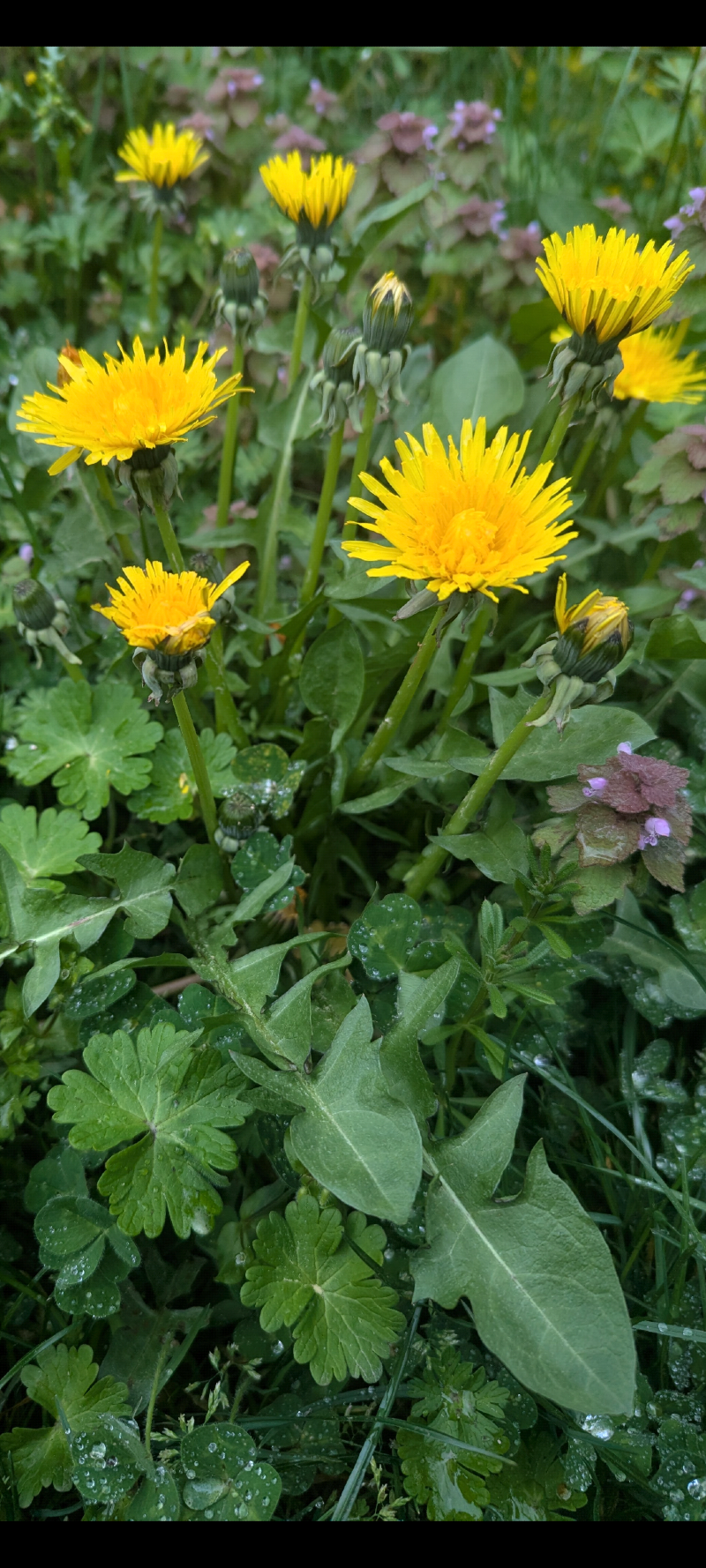
There is nothing quite as inviting as the smell of early spring rain. I wait for this season every year because of the pitter‑patter of rain drops on new leaves and the way petals and pollen coat the pavement until everything shimmers with new life.
The first day of spring is still in the rearview mirror and the pollen already has me carrying a handkerchief for day defining sniffles, but even that irritation doesn’t compare to the heaviness of waking up to news everyday. On the mornings when my mind feels like it wants to slip down the gutter with the earthworms, I am reminded of the ungovernable nature of Dandelions, Taraxacum officinale.
In Cascadia, we owe a lot to this so‑called weed. Dandelion nectar is the first food for native bees, especially the queens emerging from hibernation. Those queens rely on early blossoms to fuel their flight and start new colonies that will go on to pollinate this year's native flowers and support the ecosystems we depend on. Entire systems hinge on these bright yellow bursts of resilience.
Dandelions go by many names such as Lion’s Tooth, Blowball, Cankerwort, Faceclock and Pee‑a‑bed, and though they likely originated in Europe, they now grow almost everywhere on Earth.
They may not be native to Cascadia, but they’re a powerful example of a settler plant that contributes positively to its environment. Plants, like people, can arrive in new places and either cause harm or offer support. Dandelions remind us that not all arrivals are destructive and some even bring nourishment, healing and resilience.
Medicinally, Dandelion is a premier liver healer and digestive bitter. It increases bile and pancreatic enzymes, stimulates gallbladder contractions, boosts stomach acid, supports mucous‑producing cells, tones the spleen and kidneys, reduces uric acid and so much more! With 135 active compounds, it offers far more medicine than most people realize.
My personal favorite part of this plant is that their roots are rich in inulin, a prebiotic fiber that supports liver health and gut function. I love dandelion “coffee,” made from roasted roots; it has the bitterness of coffee without the caffeine, and it nourishes the liver. The leaves are bitter, delicious, and medicinal as well. When chewed, their bitter compounds stimulate the vagus nerve, signaling the gallbladder to release enzymes, making dandelion a perfect herb to pair with high‑fat foods.
Dandelions thrive everywhere—cities, rural roadsides, sidewalk cracks, front lawns. Their deep taproots pull nutrients from compacted soil and deposit them on the surface for the nearby plants to enjoy the nutrient decay when the leaves die back. Their long taproots even pull toxins from the soil and repair damaged soil, much like the people who quietly clean up the messes others leave behind.
There are many Dandelion lookalikes, but none are as unruly or necessary. We rely on Dandelion's ability to resist removal just as movements for collective liberation rely on people who refuse to be silenced. Weed killers try to erase them the same way oppressive systems try to erase voices that challenge them. Ecosystems depend on dandelions just as communities depend on those who speak out. Be like the dandelion: stay rooted, resilient, ungovernable and impossible to remove.