Final Summer for Coast Artillery Museum at Fort Worden
After 50 years, the museum is preparing to close its doors.

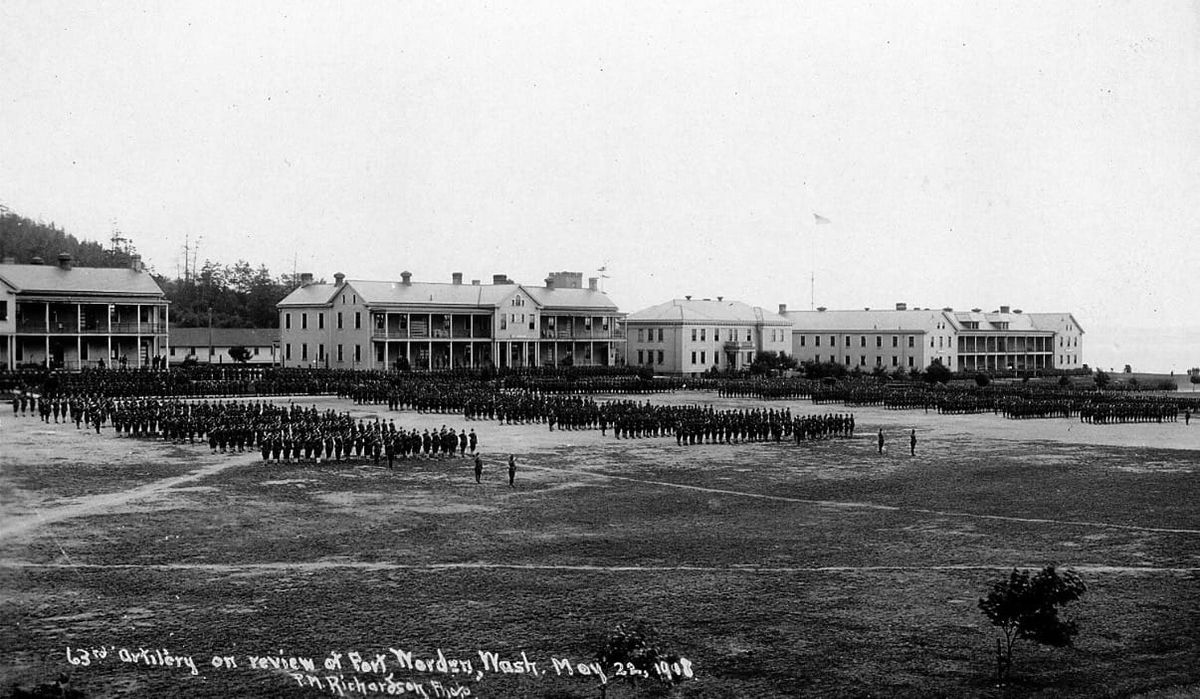
PORT TOWNSEND, WA — The Puget Sound Coast Artillery Museum’s 50th year at Fort Worden State Park is its last; the independent, non-profit museum is closing Sept. 7, 2026.
The museum, located in historic Fort Worden’s Building 201, will be open from 11 a.m. to 4 p.m., Wednesday to Sunday, through Labor Day weekend. Admission is by donation.
Fort Worden was an active U.S. Army post from 1902 to 1953, serving as headquarters for the Harbor Defense of Puget Sound during most of that time. The Coast Artillery Museum (CAM) has roots dating back to 1976, when veterans of the U.S. Army Coast Artillery Corps’ 248th regiment turned their 18th annual reunion into a mission to “preserve and interpret” the reasons the fort existed.
That year, a one-room museum opened in Building 200. The considerably more expansive museum in Building 201 was opened in 1985 by the current CAM Board President, Greg Hagge. “Back then, Building 201 was basically abandoned, being used for Centrum equipment storage and being picked over by maintenance for spare parts for other buildings,” Hagge said.
Earlier this year, CAM’s board of directors decided to close the museum. Building 201 is the last of the Fort Worden barracks that has not been significantly updated since the state’s Diagnostic and Treatment Center for Juveniles operated from 1958 to 1970. The building’s age is a challenge, but the museum’s larger issue has been the “aging out” of members and volunteers.
Diagnostic Center background
Children were sent to Fort Worden for evaluation after being referred there by juvenile courts from Washington’s 39 counties. The main reasons for placement at the detention center included auto theft, persistent running away, breaking and entering and “incorrigible behavior”.
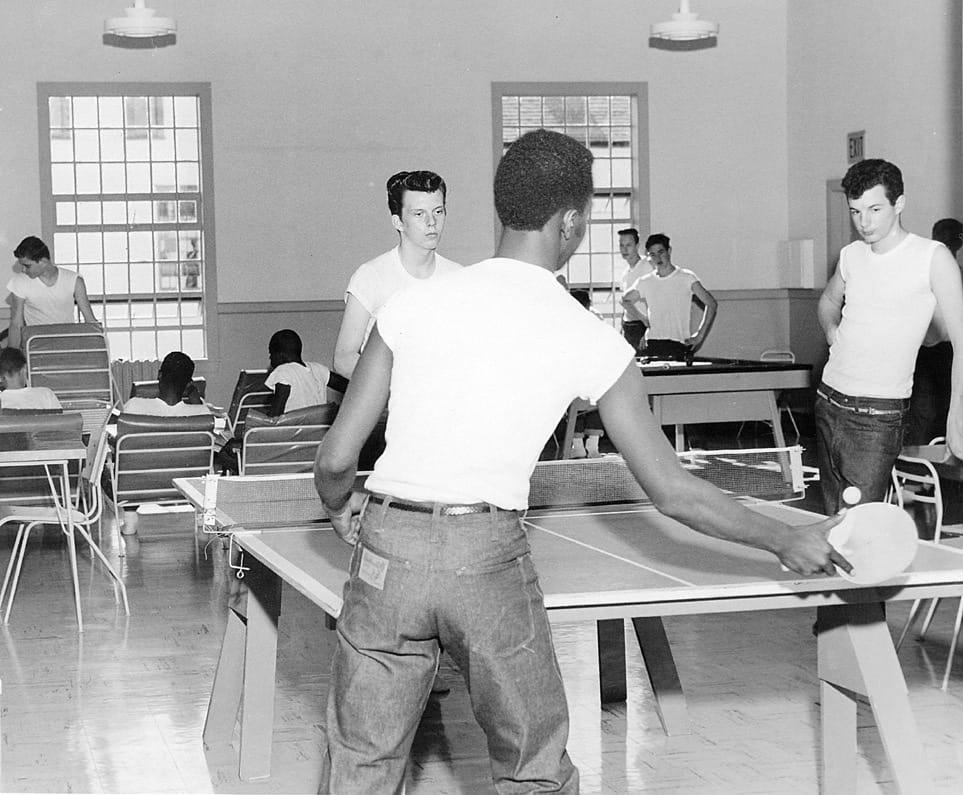
The first group of 14 boys arrived at Fort Worden on April 24, 1958. Soon the number grew to 208, with boys aged 8 to 18 residing in Barracks Row. Girls were admitted in 1961. In 1963, the diagnostic program was relocated to Tacoma, and the residential program at Fort Worden expanded to serve 260 youths, offering individualized treatment in a minimum-security setting.
Most of those who attempted to escape—often having arrived at Fort Worden after dark and unfamiliar with the area—were apprehended before reaching Brinnon or Blyn.
By 1968, there was growing momentum at the state level to develop Fort Worden into a multipurpose cultural and recreational center rather than a correctional facility. One argument for this change was Port Townsend’s remote location, as a more centrally located facility would help lower the cost of transporting juveniles across the state.
On December 23, 1970, plans were announced to close Fort Worden as an institution. The treatment center shut its doors on September 30, 1971. Shortly thereafter, the Washington State Parks and Recreation Commission assumed ownership, and Fort Worden State Park was established.
Barry Hensley’s Story: From Juvenile Resident to Volunteer
For Washington State Parks volunteer Barry Hensley, Fort Worden is not just a historic landmark; it was once his home.
Hensley first arrived on the grounds as a 13‑year‑old boy, sent to the Juvenile Diagnostic and Treatment Center that operated within Fort Worden’s buildings. Hensley recalled the former army post as a place to create a stable, family‑like environment.
“It was beautiful,” Hensley told the Beacon. “We all had upstairs game rooms, everything. They redid everything.”
Decades later, Hensley returned as a volunteer. He had previously served as a park ranger in Yosemite for 10 years through the Peace Corps program. Now, as a volunteer with Washington State Parks, he chose Fort Worden specifically because of what it means to him. “It makes me feel like I’m 13 again,” he said.
The museum’s era and accomplishments
The museum isn’t closing due to a lack of visitors.The CAM hosted an average of 12,000 visitors a year before the pandemic. The museum was closed for most of 2020, and reopened in 2021 with updated displays. Visitation reached 9,500 in 2025, including instructional tours for school children.
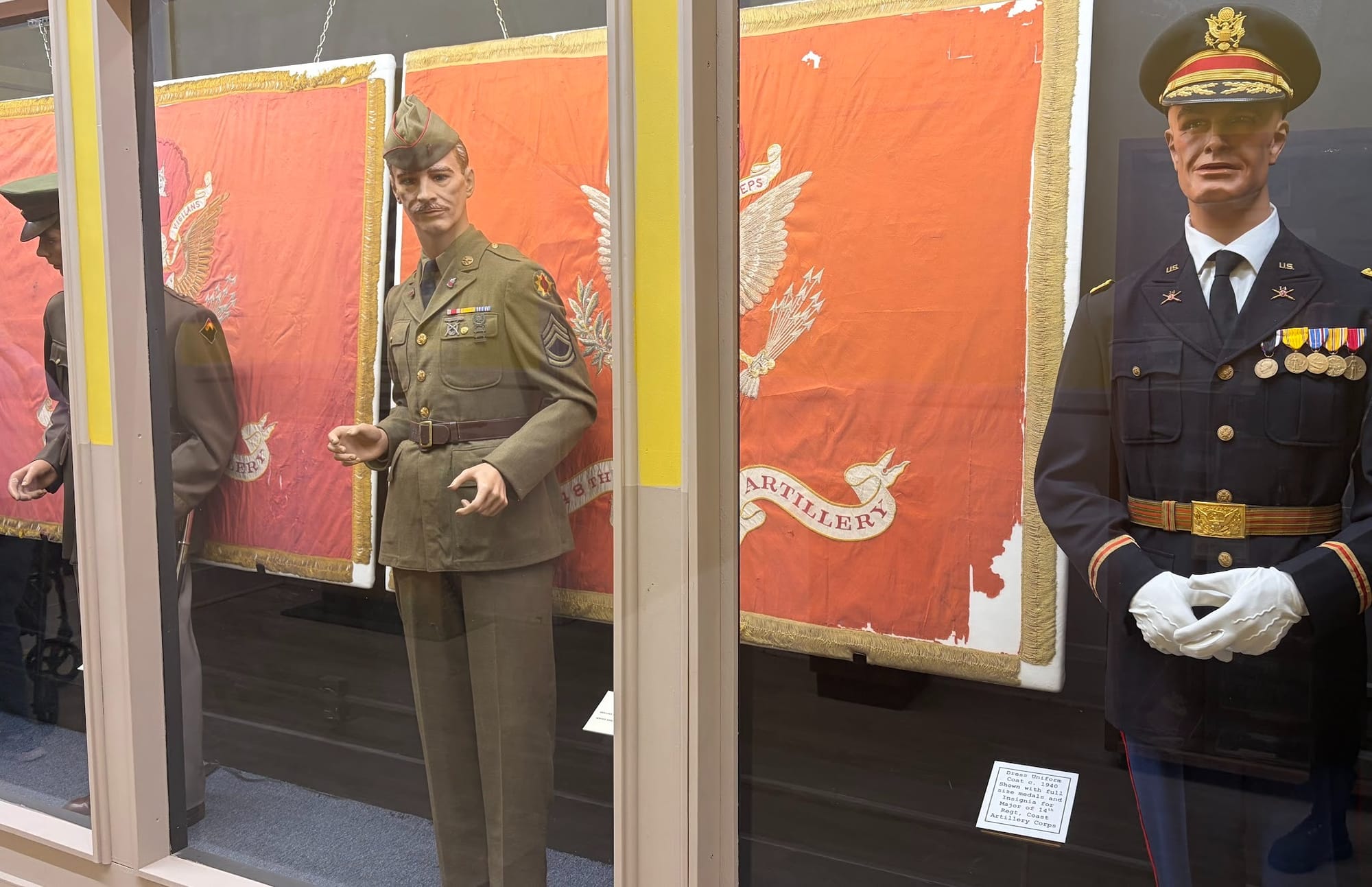
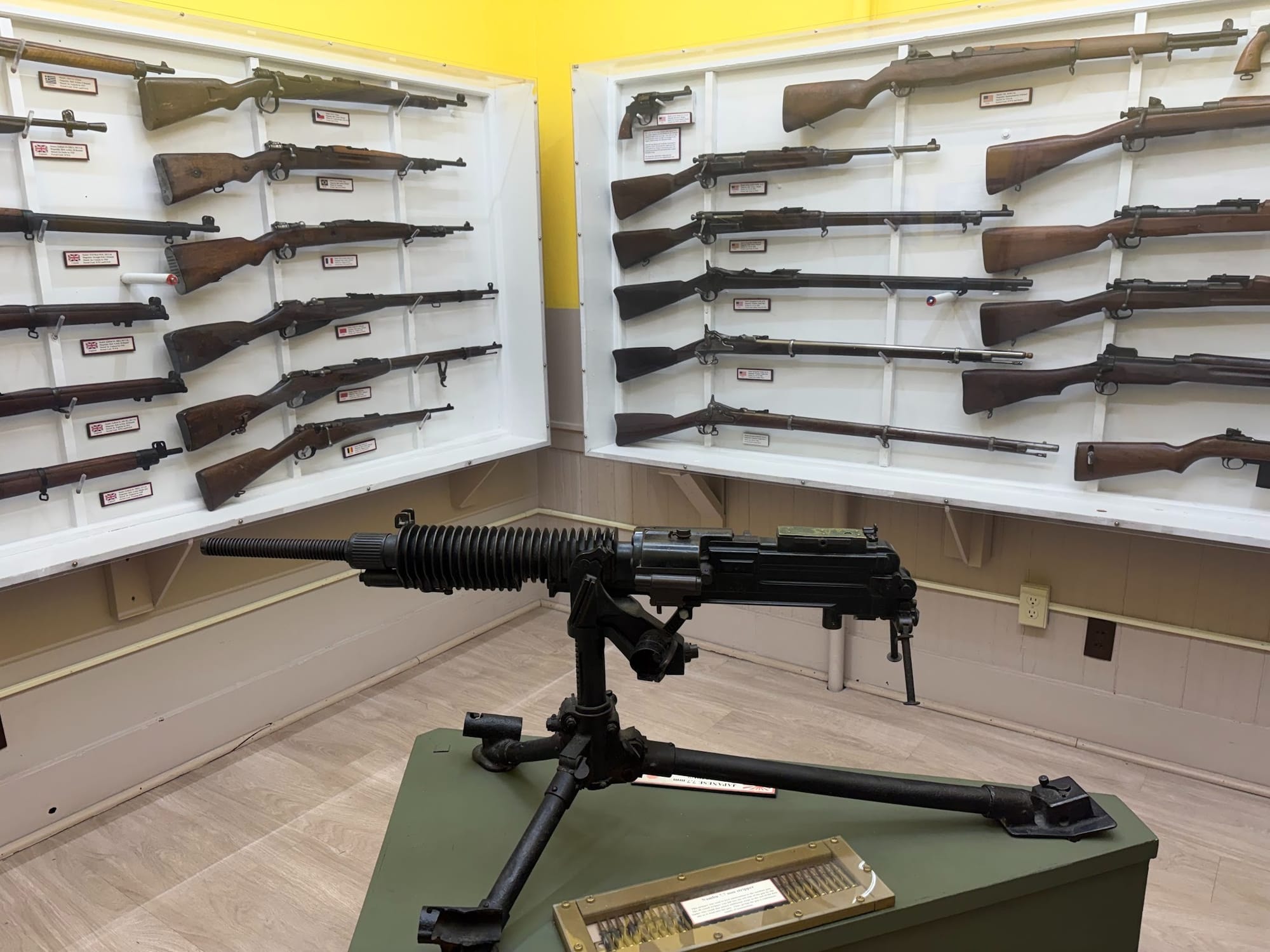
CAM’s legacy at Fort Worden extends beyond its building. In particular, from 2004-2016, volunteers undertook projects that enhanced historic interpretation and public use. They cleaned, painted and repaired gun and mortar batteries, including the Harbor Entrance Command Post, which had never previously been open to the public.
With permission from Washington State Parks, small trees and brush were removed to create Artillery Hill “viewsheds,” restoring sightlines to the gun batteries that had been obscured by overgrowth since 1944. CAM organized numerous work parties involving Scouts, school groups, athletic teams, active-duty military and community volunteers. These enhancements, from stairways to signage to viewsheds, remain long-term benefits for park visitors.
‘Please come enjoy it while you can’
“Closing the museum is not our first choice, but there are no other options. We wanted to stay open through this summer to help Fort Worden get back on track after a rough 2025, and give the public one more chance to see the type of Coast Artillery collection that exists in only a few places,” said Patrick J. Sullivan, a CAM board member since 2001, to the Beacon. “Please come enjoy it while you can.”
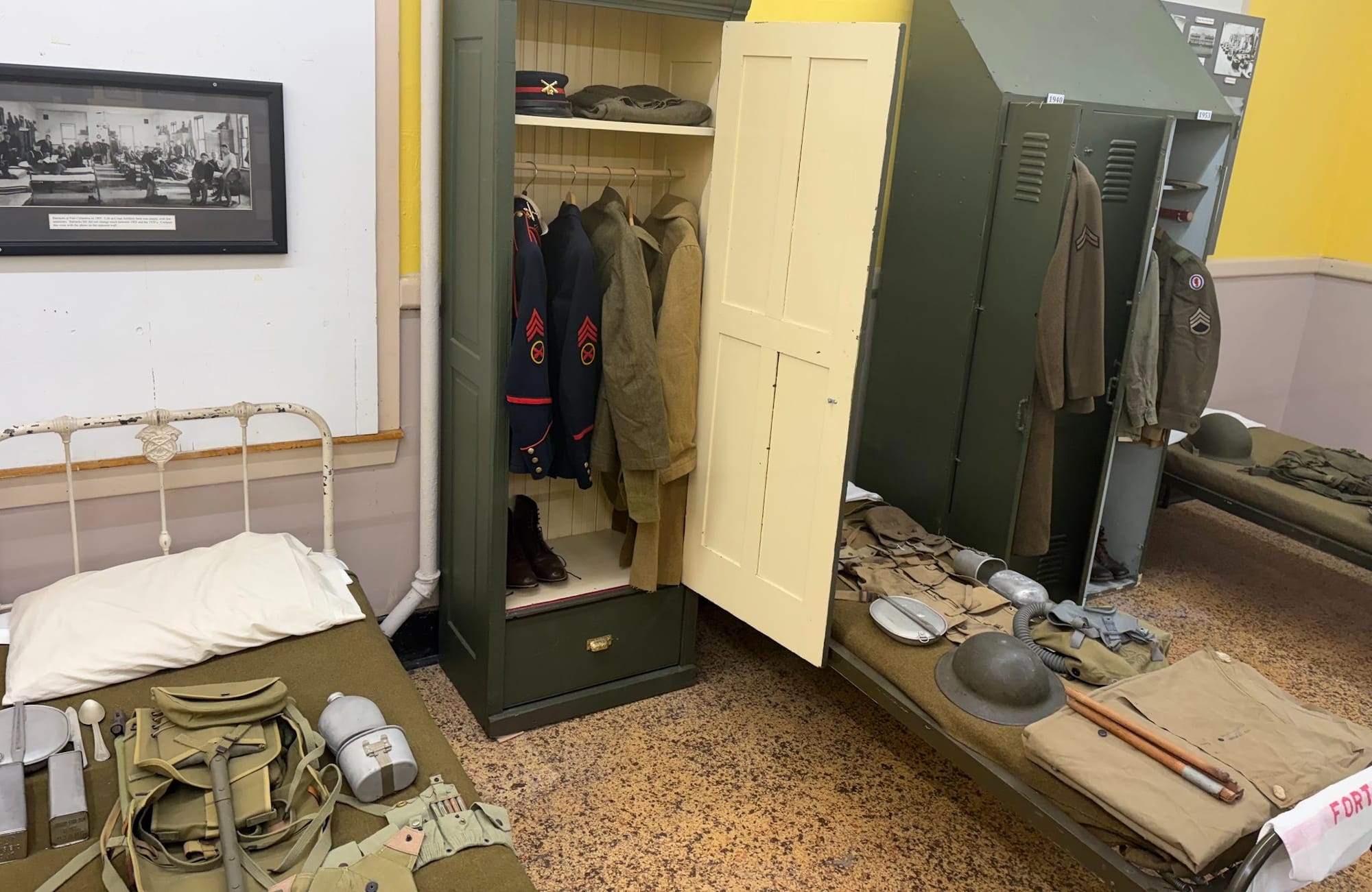
The museum is laden with historical artifacts, including multiple exhibits, a small theater, telephones, artillery, military rations, photographs, military equipment, dioramas and more. Visitors are encouraged to explore the museum before it closes.
CAM owns more than 90 percent of the items on display; Washington State Parks owns most of the remainder. CAM intends to sell its collection to people and/or organizations who appreciate and honor the Coast Artillery history, Sullivan said.
Now, it’s up to other volunteer organizations to carry that public service forward, as CAM members prepare for the end of an era.
For more information,
Visit: https://coastartillery.org