Jefferson County Faces Budget Gap as Staffing Cuts Strain Services and Infrastructure
Preliminary 2027 deficit could grow substantially if departments’ additional requests are funded

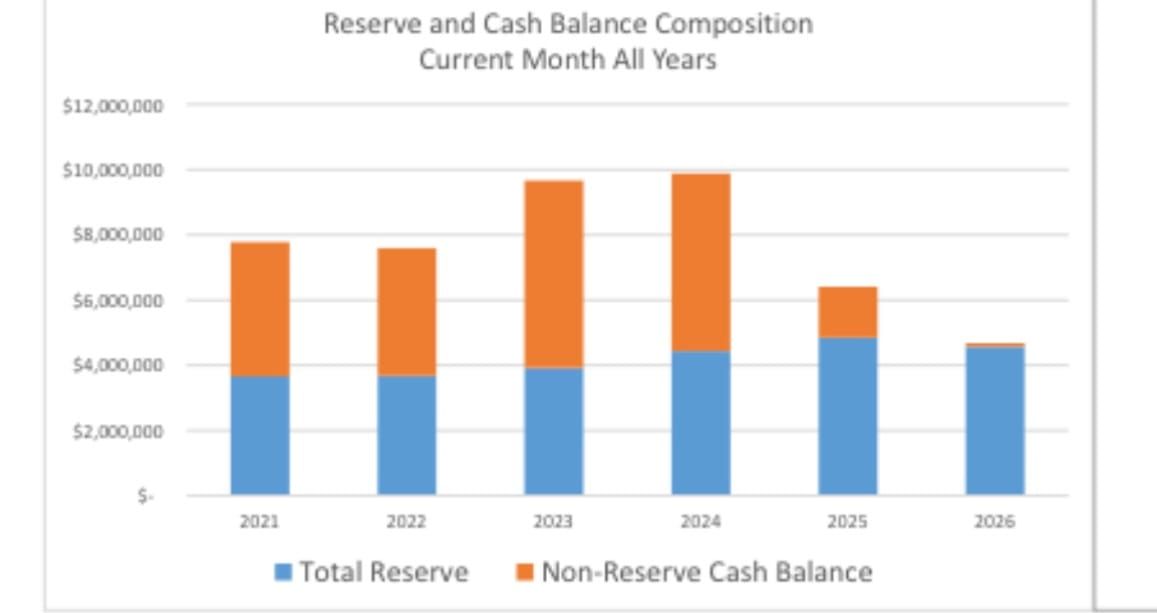
JEFFERSON COUNTY, WA — County officials are confronting a difficult 2027 budget: a preliminary general fund deficit of about $670,000 could grow to almost $2.5 million if departments’ additional funding requests are included, while years of staffing reductions and deferred maintenance are putting pressure on essential services.
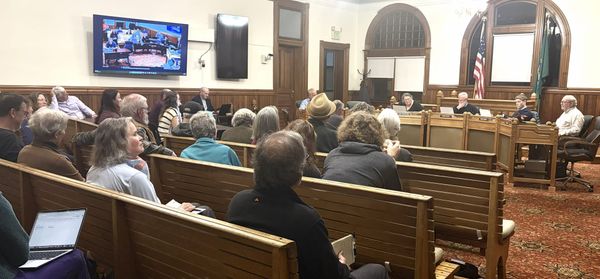
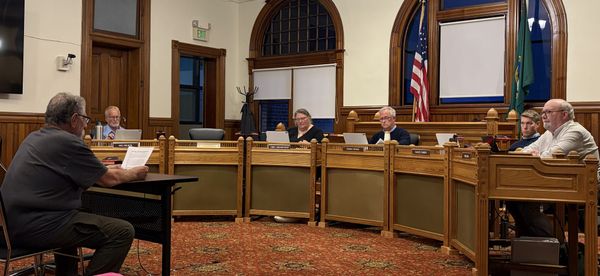
At an Oct. 13 budget workshop, Finance Director Judy Shepherd told County Commissioners that the preliminary budget showed a deficit of $669,859 and an estimated $3.3 million remaining in the general fund at the end of 2027. But a scenario that included departments’ additional requests showed a much larger shortfall. Shepherd warned that an ending fund balance of about $1.2 million would be too low to sustain county operations into 2028.
“How the county gets through early 2027 depends on how we end the year 2026. If we are able to underspend our current budget, this "carry-over" will give us a greater cash balance for the beginning of next year,” Shepard told The Beacon.
The figures were still being revised as officials reviewed revenue forecasts and spending scenarios. Commissioners had not adopted a final 2027 budget.
“Eventually, we will run out of money,” she warned, describing the consequences of recurring deficits without a sufficiently healthy cash balance.
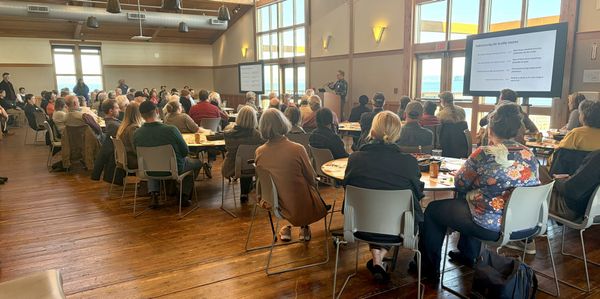
Each department head was given 10 minutes to address their department’s situation in response to Shepherd’s question, “What keeps you up at night?” The common refrain was that virtually all the departments are short-staffed, sometimes running at roughly half the staff that is needed to carry out department functions and services.
Roads and facilities face growing maintenance pressures
Public Works Director Eric Kuzma described the scale of the county’s infrastructure responsibilities: roughly 400 miles of roads, 38 bridges, more than 2,500 culverts, 22 parks, a transfer station handling about 26,000 tons of garbage annually and a fleet of approximately 240 vehicles and pieces of equipment.
The department has seven divisions, about 80 employees and a budget of roughly $36 million spread across 16 funds.
Keeping that infrastructure functioning depends on employees and equipment that are increasingly difficult to maintain and replace, Kuzma said. County wages are not always competitive with other local public employers, while the high cost of housing makes it harder to recruit and retain workers. Some engineering positions have been difficult to fill despite years of recruitment.
Public Works’ responsibilities also include the new Port Hadlock sewer system, a major investment whose operating finances depend on attracting more customers. Kuzma said the system had about 70 connections, equivalent to roughly 150 residential units, while its capacity is considerably greater.
Fewer employees, more responsibility
Another common concern voiced in the budget discussion relates to the loss of staff and institutional knowledge.
Public Works’ engineering staff, for example, had declined from 12 employees to six, Kuzma said. Across county government, remaining employees are taking on duties once distributed among larger teams. Retirements and turnover also threaten to take specialized knowledge with them.
The Department of Community Development (DCD) has experienced significant staffing reductions. Director Jeremy Williammee described a department that fell from about 21 full-time-equivalent positions at the end of 2025 to a low of roughly 12 earlier this year, before recovering to about 13.6.
The effects vary by department. Smaller offices must still meet legal deadlines and maintain essential operations, even when there are fewer people available to do the work. Hiring replacements can be difficult, and training new employees takes time from already stretched staff.
Sheriff Andy Pernsteiner told officials that seven deputies could be eligible to retire within the coming year. If all left, he warned, the office could be left with very limited staffing, including situations in which a single deputy responds to calls alone. Such a loss could increase risks for officers and residents while adding pressure on those who remain.
The budget workshop raised questions about how much work county departments can absorb before reductions begin to affect service levels, safety or compliance.
Public Health has cut costs but faces limits
Public Health Director Apple Martine described a department that has already made substantial reductions. With an annual budget of about $8 million, roughly 96% funded by state and federal grants, the department relies heavily on money restricted to specific programs and services. Those grants generally cannot be redirected to cover all of the department’s general operating costs.
During 2026, the department saved approximately $800,000 through measures that included leaving vacant positions unfilled, limiting staff travel and training, discontinuing some software and subscriptions, postponing remodeling and reducing outside contracts.
Martine said those decisions came with trade-offs. Extended vacancies put more pressure on existing employees, while reduced training can impede staff development. The department provides both mandated services and direct assistance to residents, including people who have limited access to other health care and support.
A tension of revenues slipping and costs rising
The County faces pressures to both find ways to increase revenue and decide which expenditures can be reduced without undermining services residents rely on.
Jefferson County’s revenue has not kept pace with demand for services, workshop participants said, for several reasons. State law caps property tax growth at 1 percent a year plus new construction, which typically adds about 0.9 percent. Sales tax is volatile: it rose about 12 percent last year, fell about 12 percent this year and Treasurer Stacie Prada called last year’s strength a bubble driven by public construction projects.
Fee revenue follows the building market. “When construction slows, as it has this year, DCD’s permit revenue is reduced,“ Williammee told The Beacon in an email. Community Development’s residential permits stood at 109 through three quarters, versus more than 200 in 2025.
Grants rarely fill the gap. Public Health is about 96% grant-funded, and restricted grants cannot cover county overhead such as insurance. Officials also cited lost state revenue: the state pays about 5% of public defense costs. Finally, one-time options like land sales are slow, and only about two dozen parcels may be viable.
Emergency Management Director Willie Bence said that federal disaster reimbursement is never guaranteed, and a storm just under the threshold could cost millions with no help.
Cost inflation is affecting all departments, if unevenly. Central Services Director Shawn Frederick said that the cost for one of the primary records retention systems is going to triple in 3 years.
Difficult choices ahead
County officials also discussed the possibility of additional reductions, closer coordination among departments and potential revenue from selling county-owned land.
Commissioner Heather Dudley-Nollette said leaders of the City of Port Townsend and the County have been discussing ways in which they can share resources and collaborate to reduce costs and deliver more cost-efficient services.
Staffing shortages, compensation and employee burnout were among the most common concerns among the departments.
The challenge is balancing immediate savings against the longer-term costs of weakened staffing, postponed maintenance and reduced capacity to deliver services.
“We are currently working through budget scenarios with a variety of approaches for county elected officials and department heads to consider, including the pros and cons of each potential strategy,” Shepherd said.
The group plans to meet on October 21 to continue the discussion on how to develop the budget. The recommended budget is due in early November.