Port Townsend Council Breaks the Mold with First 'Round Table' Workshop
A new format of public engagement proved successful.
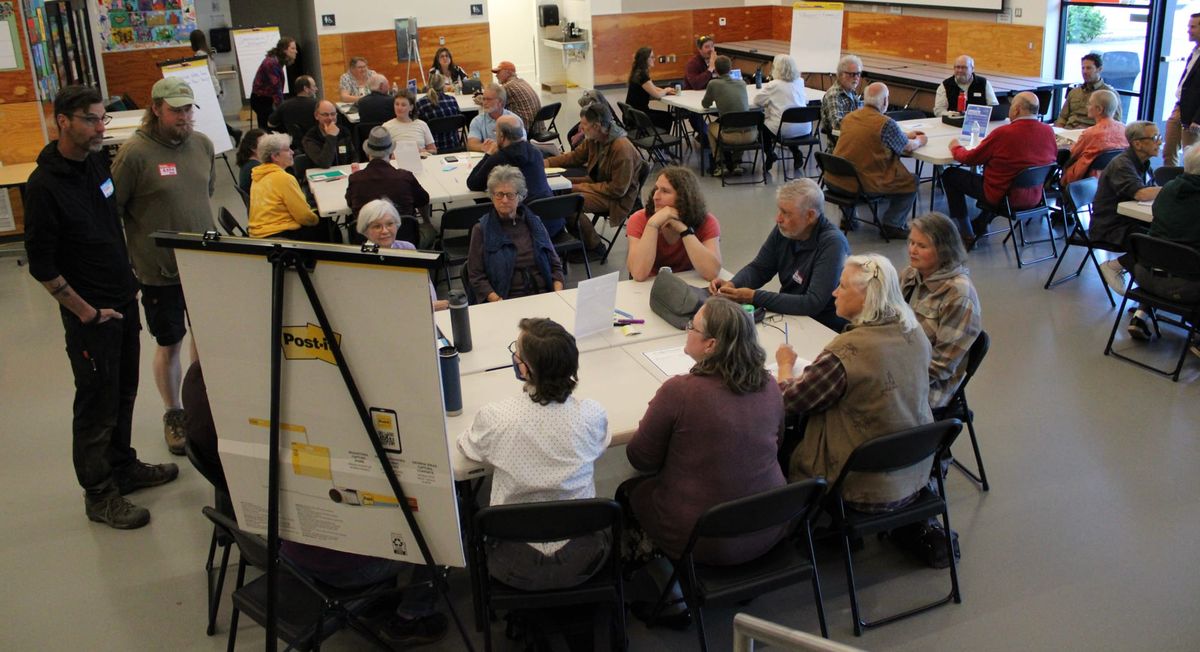
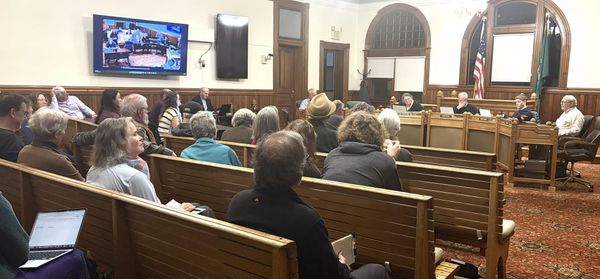
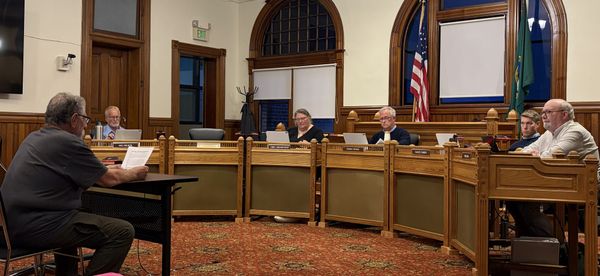
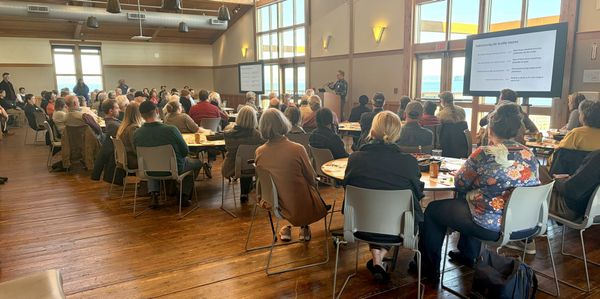
PORT TOWNSEND, WA — Gone was the familiar dais, the formal agenda and the three-minute public comment limit. In their place were six tables, easel pads and the hum of face-to-face dialogue.
In an experimental move to bridge the gap between city hall and its citizens, the Port Townsend City Council held its first-ever "Round Table" workshop meeting on May 11 at Salish Coast Elementary. The event, which drew approximately 40 residents, represented a radical shift in municipal engagement by turning a standard quarterly work plan update into a collaborative, open-house conversation about the future of the community.
"We were afraid we were going to get three or four people and just have to talk to each other," said Mayor Amy Howard in her opening remarks. "I am delighted to see so many people want to engage with us in this new and unusual way of actually having a face-to-face conversation."
Instead of listening to a PowerPoint presentation from the gallery, attendees rotated between six themed tables: Finance and Budgeting; Infrastructure; Transportation Progress and Planning; Communication and Engagement; Creative District and Arts; and Housing, specifically Evan’s Vista, comp plan implementation and permitting. Each table was anchored by a city council member and city staff.
Council members report back
Following the small-group sessions, each council member offered a summary of what they heard.
Deputy Mayor Owen Rowe, hosting the Creative District and Arts table with Community Services Director Melody Sky Weaver, focused on quality of life issues. He noted strong support for the new accessible playground at Camas Prairie golf park and the increase in Arts Commission grants. However, residents raised concerns about inequity in arts funding, questioning whether it was appropriate for Arts Commission members to apply for those same grants, and the broader challenge of artists being priced out of town. "How can we shift that situation?" Rowe asked, noting a desire for more live-work spaces and youth activities.
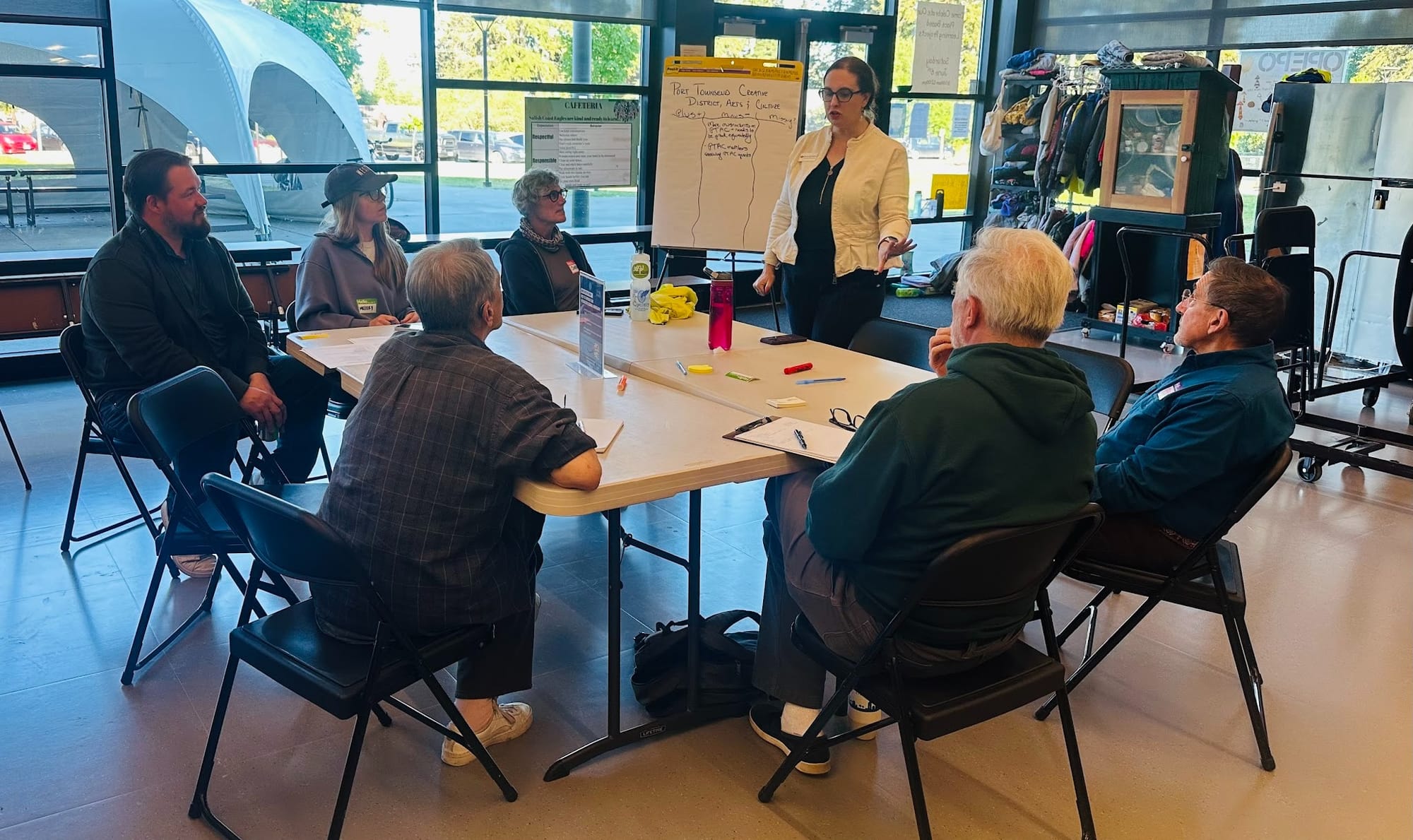
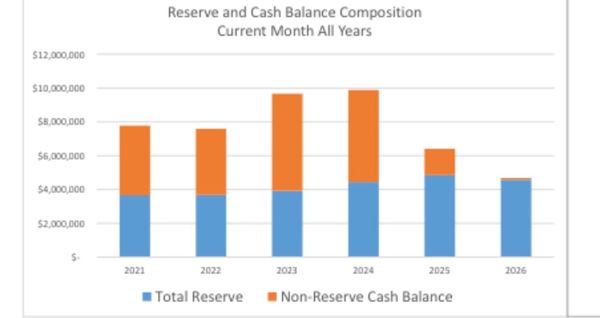
Council Member Monica MickHager led the Finance and Budgeting table with Director of Finance Jodi Adams. They acknowledged the topic doesn't always draw a crowd, but praised the enthusiastic participants who showed up. MickHager detailed discussions on funding for the unhoused in the 2026 budget, priorities for 2027, and the city's "piggy bank" funds for fleets, IT, facilities, and a rainy-day fund. "This is what we do when we have extra money. We put it in a piggy bank so when we need a new vehicle, it's not figuring out how we're going to pay for it that year," MickHager explained. Residents also pushed for exploring redundancies between local agencies—city, county, and PUD—to use tax revenue more wisely.
Council Member Neil Nelson and Public Works Director Steve King summarized the Infrastructure table, where water dominated the conversation. "Water, water, water, my God—supply and pipeline and mill and the cost and maintenance," he said, noting drought management as a critical issue. Sewer repair costs and how to fund them in outlying areas followed closely. Interestingly, he noted that trails also came up, including conflicts over bike speeds, motorized vehicles and dogs off leash. Potholes, he joked, "came up surprisingly little."
Council Member Libby Wennstrom reported from the Communications and Engagement table, which she led with Director of Communications Shelly Leavens. They clustered feedback into four themes: helping residents find deeper information, improving access to council and staff throughout decision-making processes beyond public comment, making city websites and the Granicus agenda system more searchable and clarifying the difference between city and county responsibilities. Wennstrom highlighted the new "Ask the City" video series seeking resident questions and noted that people crave human conversation over "spitting at each other in the comments section."
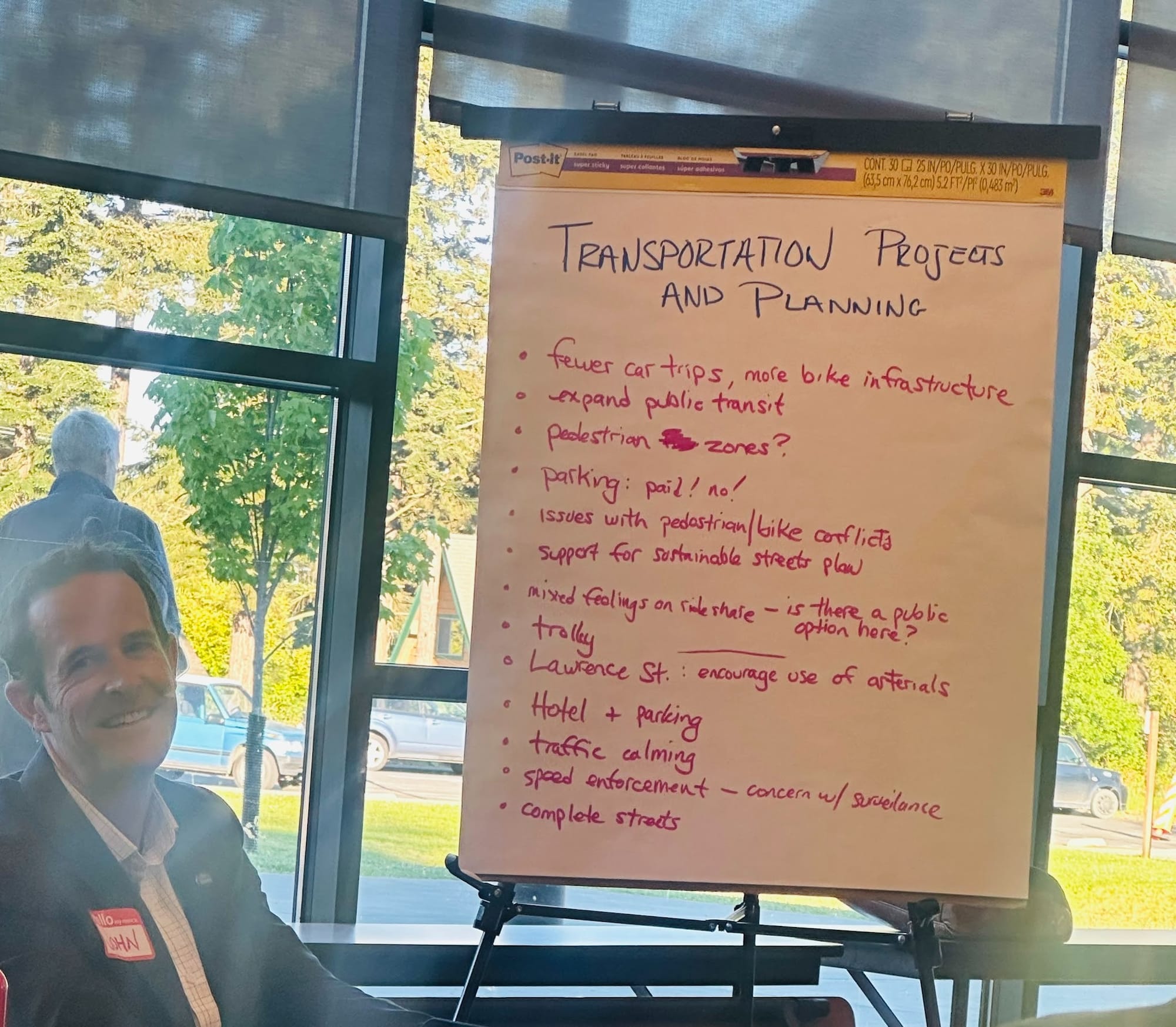
Council Member Fred Obee, with City Manager John Mauro, reported from the Transportation table that attendees found remarkable common ground. "Everybody wants fewer car trips. Everybody wants more bike infrastructure, bike lanes, bike racks," Obee said. While support for paid parking remained split, there was unanimous opposition to automated speed cameras ("big brother AI systems," as Obee put it) and strong backing for traffic calming measures. He also noted confusion around "dotted line" street designs, where residents inadvertently park or place trash cans in spaces meant for bikes and pedestrians.
Housing, history, and 'faux victorians'
While all six tables generated robust discussion, the Housing table—hosted by Mayor Howard, Long-Range Planner Adrian Smith and the new Planning Manager Ryan Harriman—saw the most pointed debate, particularly regarding the recent updates to the Comprehensive Plan and the elimination of the "daylight plane" ordinance.
Residents expressed frustration over the perceived tension between increasing density and preserving the historic character of Port Townsend. One attendee, who said the threat of losing sunlight to a potential new development was the reason for selling his home, pressed Smith on why the city removed regulations designed to protect light and shadow.
Smith explained that the "daylight plane" rule, adopted roughly 15 years ago to prevent "McMansions," ultimately failed in its mission. "What we found was that the McMansions just get built," Smith said. "They just paid extra money to show where that 45-degree angle was on their building plan."
Mayor Howard added that the regulations often backfired, leading to "faux Victorian McMansions" while making it prohibitively expensive for average homeowners to build.
A living experiment
By the end of the evening, the conversation had shifted from specific grievances to the value of the format itself. City Manager Mauro asked attendees to scan a QR code for feedback, noting that the city wants to "learn from tonight to make sure the next one's better."
Mayor Howard closed the meeting by thanking the crowd for showing up to an experiment.
"Putting council on the spot in these conversations wasn't meant to be completely comprehensive," Howard said. "But I hope you had conversations that show you that we care and that we are trying. We don't have a functional community if we aren't able to do these things with each other."
The city expressed the next round table may take place in the fall of 2026.