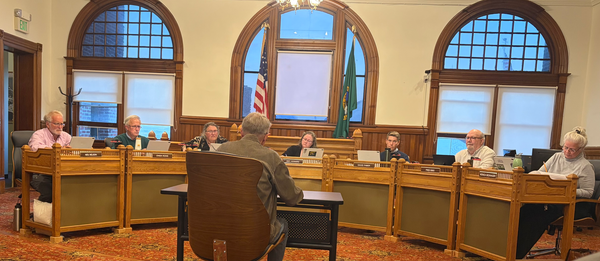
Superior Criminal Court October 2, 2026: Exceptional Sentencing and Warrants Issued
With consecutive warrants ordered, it’s worth questioning bail bond culture.

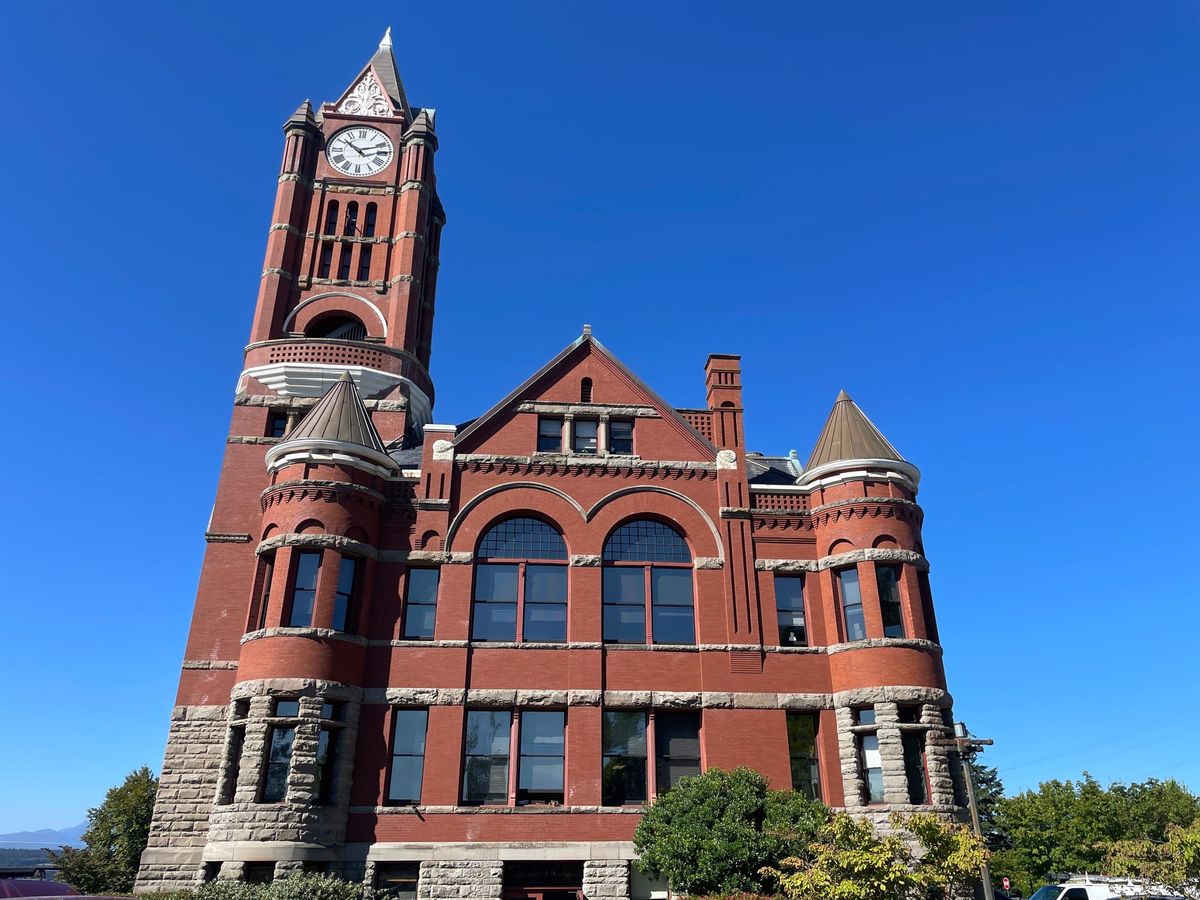
JEFFERSON COUNTY, WA — In ‘The Price of Mercy’, author Emily Galvin Almanza argues to stop conditioning liberty on wealth: “Whether a person can remain free while accused of a crime, and thereby avoid some terrible life repercussions and more effectively fight the charges against them, is overtly tied, in most jurisdictions, to purchasing power. Specifically, cash bail remains the dominant form of pretrial release . . . But all too often, that amount is out of reach for the (largely very poor) people our system impacts.”
But as we see on October 2, within three cases with exceptional amounts of warrants and failures to appear after compliance fallout, it can be a wish in the wind to trust people to show up for the process of accountability, especially when drug dependencies are involved.
The Bail Project, a national nonprofit, aims to reform the deep-rooted inequities that drive the bail bond culture in the United States and help people appear for court.
Almanza continues, “In the United States, the bail bonds industry (an idea banned by England almost fifty years ago) is a $2 billion per year enterprise. This cost is borne almost entirely by low-income families.”
A-Plus Bail Bonds is the only bail bond service agency on the peninsula, located in Port Angeles. The Port Angeles branch’s revenue is not publicly disclosed, but the parent branch has an estimated $8.8 million yearly revenue.
Arraignments:
Curtis Johnson was charged on September 29 with felony harassment. He is represented by attorney Lillian Powers with Jefferson Associated Counsel. He pleaded not guilty and waived the formal reading of his charges. His omnibus hearing is set for November 13, pretrial is December 4 and trial the week of December 14.
Sentencings:
Jamaal Presley was sentenced to 20 days with 19 days of credit for possession of a stolen vehicle. The defense asked the court to consider the exceptional sentencing based on the mitigating factor of Presley’s mental health and manic episode at the time. Presley made a testimony about what stress factors had led to his episode and what he has learned about his mental health since then. He also spoke to the progress he has made.
Judge Brandon Mack said, “I don’t see a significant purpose to sentence you to more time, especially since you are addressing your mental health issues.”
Isaiah Favors was in Drug Court for the last three years, but fell out of compliance multiple times. The state made a motion to remand him from Drug Court; Favors did not contest. The court sentenced him to 9 months on top of the 170 days he has already served for burglary in the second degree.
Favors gave a testimony of gratitude to the court and prosecution for their help over the last three years and the many chances they have given him. He stated his disappointment in himself for not being able to complete the program.
Judge Mack spoke to Favors’ potential and also said, “The way I see it, there are three steps: stop using, go to treatment and counseling and address codependency."
Updates:
Soaring Eagle appeared in court after the state extradited him from treatment in Oregon (one jurisdiction surrenders a person accused or convicted of a crime to another jurisdiction). The court denied the defense’s request for lowered bail because of his 9 warrants from 2026 and because he broke his conditions of release in February. Eagle’s omnibus hearing will be October 16.
Lonnie Kohrdt requested a bail reduction from $20,000 to $2,000. With a history of over 90 warrants, 10 in 2026 alone, the court denied the request.
Tia Gilpartrick’s case was dismissed, but she will have a preliminary appearance for a new charge on October 9.
Weston Epp has been out of compliance with his contract for his stipulated order of continuance and failed to appear for his hearing. The court ordered a $5,000 warrant.
Why we are reporting on this:
Our goal is to bring transparency to the Jefferson County legal system. We believe understanding the court system helps highlight what needs to be fixed, as well as what types of support are available within the criminal justice system. It’s hard to change what you can’t see, and we believe transparency will bring the accountability needed.
We also intend this work as an effort to keep the community together when the criminal justice system and stigma isolate individuals disproportionately affected by poverty and oppression.
Where we get our information from:
Our reporter attends Superior Court and follows up with the legal representation or the judge if anything is unclear.
Our approach to covering the court system:
We follow court cases from arraignment to sentencing, paying special attention to the programs that help the accused find ways to improve their lives and to the places where the legal system fails those whose criminal behavior is the result of unaddressed external issues, such as poverty or abuse.